
Urgent Argentina Travel Warning as Deadly Hantavirus Outbreak Shadows Antarctica Cruises: How MV Hondius Quarantine and Global Energy Crisis Volatility are Disrupting the 'End of the World' Tourism Hub
A lethal hantavirus outbreak in Argentina has claimed three lives aboard the luxury MV Hondius, forcing a quarantine in Cape Verde and sparking an international travel alert for Antarctica and Patagonia explorers.

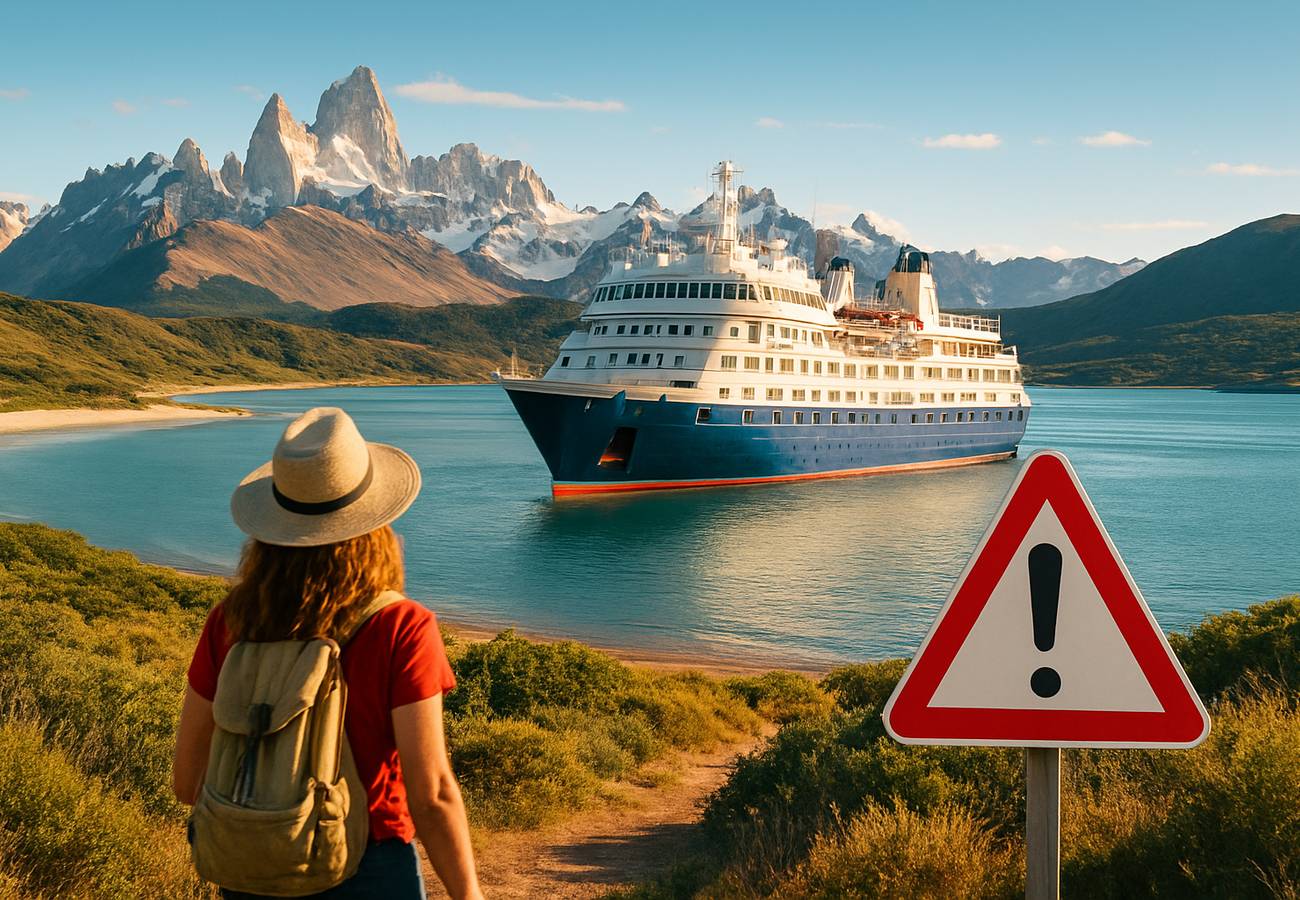
Image generated by AI
Quick Summary
- Fatal Outbreak: Three passengers—two Dutch and one German—have died aboard the luxury MV Hondius after departing Ushuaia, Argentina.
- Quarantine in Praia: The vessel is currently anchored off Cape Verde, with 147 passengers and crew trapped in their cabins under WHO supervision.
- Andes Virus Surge: Argentina’s Health Ministry reports 101 cases since June 2025, with a terrifying 33% mortality rate—double the historical average.
- Energy Overhead: The crisis is compounded by the global energy crisis, which has inflated the cost of emergency medical flights and specialized maritime logistics.
- Geopolitical Friction: Tensions in the Strait of Hormuz and the US-Iran conflict have disrupted the global supply of diagnostic medical equipment to remote Antarctic outposts.
- Tourism Impact: High-end explorers are canceling "End of the World" expeditions to Patagonia and Tierra del Fuego as the virus moves toward Buenos Aires.
- Source: World Health Organization (WHO) / Argentina Ministry of Health Emergency Bulletin, May 7, 2026.
PRAIA — The pristine dream of Antarctic exploration has been shattered by a lethal biological threat. According to breaking reports released on May 7, 2026, the luxury Dutch vessel MV Hondius is currently operating as a floating infirmary off the coast of Cape Verde following three confirmed fatalities from Hantavirus Pulmonary Syndrome. This medical emergency is being analyzed by senior global affairs journalists as a "double-blow" to the international travel sector, occurring precisely as Strait of Hormuz tensions and a severe global energy crisis drive oil prices to record highs and complicate the logistics of emergency medical evacuations and maritime supply chains.
Expanded Overview: A Luxury Voyage Under Siege
The MV Hondius, one of the world's premier polar expedition vessels, departed Ushuaia, Argentina, on April 1, 2026, carrying 147 souls toward the white wilderness of the South. However, the voyage turned tragic when a 70-year-old Dutch man succumbed to respiratory failure on April 11, followed by his 69-year-old wife two weeks later. Most recently, a German woman became the third victim. The World Health Organization (WHO) has now anchored the ship near Praia, Cape Verde, where passengers remain isolated in their cabins as experts trace the infection source back to the forests of Patagonia or the bird-watching trails of the "End of the World."
Geopolitical Context: Navigating the Strait of Hormuz and Medical Logistics
The broader geopolitical landscape in 2026 has been dominated by the standoff in the Strait of Hormuz. As Saudi Arabia, the UAE, and Qatar work to stabilize global trade, the resulting volatility has created a nightmare for specialized medical logistics. The US-Iran conflict has further strained the availability of high-speed emergency aviation, making the quarantine in Cape Verde a high-stakes standoff. For the families aboard the MV Hondius, the inability to easily deploy specialized medical "mercy flights" due to fuel surcharges and airspace restrictions has turned a health crisis into an international logistical bottleneck.
Global Energy Impact: The High Cost of Emergency Resilience
Rising oil prices have fundamentally changed the economics of "frontier" travel in 2026.
- Expedition Inflation: The cost of luxury Antarctic cruises has surged, leaving travelers with less financial flexibility to handle the massive costs of last-minute flight cancellations or emergency evacuations.
- Resource Scarcity: As the global energy crisis redirects national budgets, the funding for remote health outposts in southern Argentina has faced significant pressure, exactly as the hantavirus mortality rate has jumped to 33%.
Shipping and Trade Impact: The Diagnostic Supply Gap
The ongoing shipping disruption in global maritime routes has directly impacted the health response in South America.
- Test Kit Delays: International trade delays have slowed the delivery of advanced hantavirus diagnostic kits to Ushuaia and Tierra del Fuego, where the virus has appeared for the first time in history.
- Maritime Safety: The quarantine of the MV Hondius serves as a stark warning to the cruise industry, proving that biological risks are magnified when the global supply chain for medical support is fractured by geopolitical instability.
Regional Impact: The "Tropicalization" of Argentina's Health Crisis
On land, the situation in Argentina is increasingly dire.
- Pathogen Migration: The "Andes virus" is moving north toward Buenos Aires, caught in a cycle of "tropicalization"—warmer, wetter conditions that allow the rodent carriers to thrive.
- Hotspot Expansion: Areas that were once safe for hikers and eco-tourists in Patagonia are now designated as biological hotspots. The explosion in the rodent population, driven by climate-induced food surges, has brought the virus into direct contact with the high-spending international explorers who fuel the regional economy.
Industry / Expert Analysis: Why This Matters for Global Tourism
Aviation and travel security analysts at Travel And Tour World suggest that the hantavirus outbreak is a "trust-breaker" for the high-end cruise sector. In an era where the global energy crisis makes every trip an investment, the fear of being trapped in a cabin in the middle of the ocean is scaring away the very travelers needed to sustain the "End of the World" hubs. The mortality rate of 33% is a terrifying statistic that suggests a mutation or a lack of rapid medical intervention—both of which are symptoms of a world struggling with shipping disruptions and high energy overheads.
What Happens Next: The Search for the Infection Source
As the WHO continues its investigation, several key developments are anticipated:
- Patagonia Trace-Back: Health officials are scouring the trekking routes of Ushuaia to determine exactly where the MV Hondius passengers were exposed.
- Quarantine Protocol: The 147 passengers will remain isolated until the incubation period of the Andes virus has fully passed, a process hampered by the high cost of maintaining a stationary vessel in Cape Verde.
- Diplomatic Maneuvering: Argentina is seeking international aid to bolster its health infrastructure as the virus threatens the outskirts of the capital.
Conclusion: Reinforcing the Global Risk and Wilderness Respect
The tragedy of the MV Hondius is a testament to the fragility of global travel in a world of shipping disruptions and oil price volatility. By failing to account for the intersection of climate change, biological threats, and the global energy crisis, the "dream voyage" has become a cautionary tale for the 2026 traveler. As the world watches Cape Verde, the message is clear: the wilderness we love to visit is changing, and our ability to respond to its dangers is directly linked to the stability of our global energy and trade corridors.
Key Takeaways: Argentina Hantavirus Alert 2026
- Fatalities: 3 dead aboard MV Hondius (2 Dutch, 1 German).
- Location: Ship quarantined off Cape Verde; source Ushuaia, Argentina.
- Mortality: 33% death rate in Argentina; virus moving toward Buenos Aires.
- Drivers: Climate "tropicalization" and global energy crisis logistical strain.
- Advice: Avoid Patagonia hotspots and monitor for flu-like symptoms after visiting Ushuaia.
- Impact: Massive cancellations of high-end Antarctica and Patagonia expeditions.
Related Travel Alerts
Disclaimer
This article is for informational and educational purposes only. It does not constitute legal, financial, or professional advice. While we strive to provide accurate and up-to-date information, travel policies, regulations, and conditions change rapidly. Always verify information with official sources before making travel decisions. Nomad Lawyer makes no representations about the accuracy, reliability, completeness, or suitability of the information provided. Readers should consult qualified professionals for advice specific to their circumstances. The views expressed in this article are those of the author and do not necessarily reflect the views of Nomad Lawyer.
Kunal K Choudhary
Co-Founder & Contributor
A passionate traveller and tech enthusiast. Kunal contributes to the vision and growth of Nomad Lawyer, bringing fresh perspectives and driving the community forward.
Learn more about our team →