
Cancun Travel Warning April 2026: Winter Storms Disrupt Flight Networks
Severe North American winter storms in early 2026 triggered a cancun travel warning, disrupting 46+ flights at Cancun International Airport during peak season. Winter weather cascades impact Caribbean travel plans.

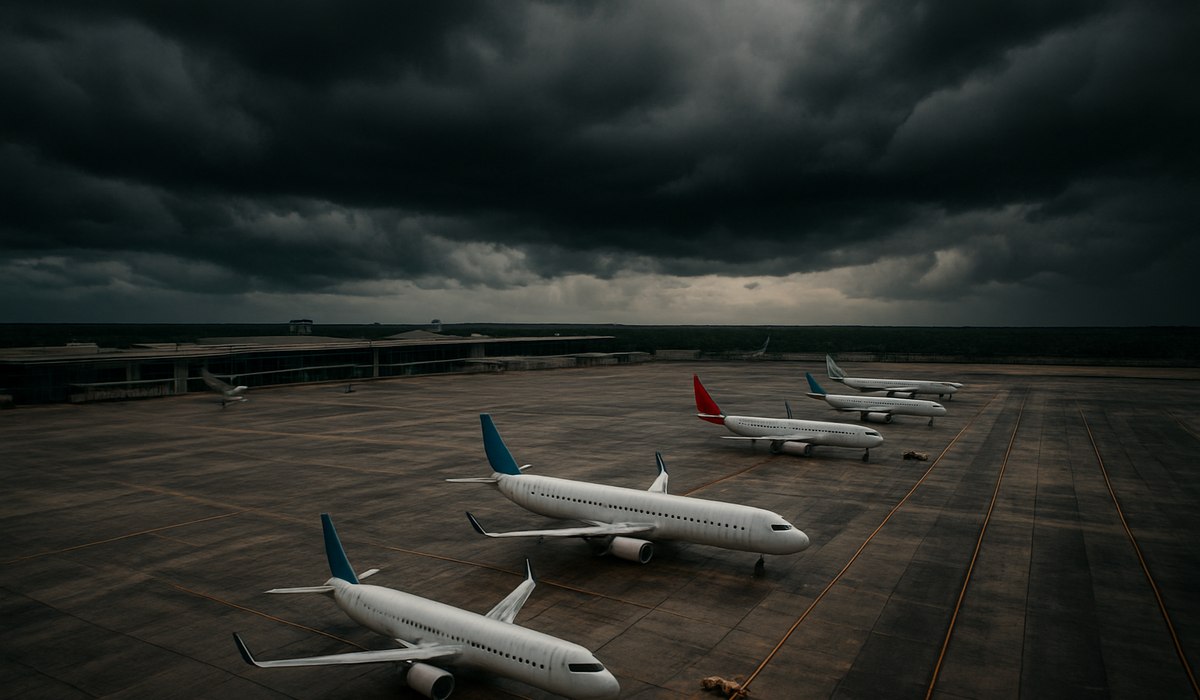
Image generated by AI
Cancun Travel Warning: Winter Storms Cascade Through Caribbean Gateway
Cancun International Airport faced unprecedented travel chaos in early 2026 as severe North American winter storms triggered a cascade of flight disruptions across Mexico's Caribbean coast. At least 46 flights connected to Cancun were affected during a single day in late January, with both inbound and outbound services delayed or canceled. The cancun travel warning intensified as winter season demand peaked, leaving thousands of leisure travelers stranded far from their destinations while airline networks struggled to reposition aircraft and crews from paralyzed northern hubs.
Winter Storms Cascade From North America to Cancun
The January 2026 winter system ranks among the most disruptive North American weather events in recent years, according to aviation tracking data. Between January 23 and January 27, the system generated tens of thousands of cancellations across the United States and Canada. Although Quintana Roo experienced clear skies, Cancun's operational resilience collapsed because the airport depends entirely on aircraft and flight crews based at northern U.S. hubs.
Runway closures in cities like Chicago, Atlanta, and Dallas rippled southward through airline scheduling systems. Airlines including American, Southwest, and United were forced to cancel flights hours or days before departure due to crew availability and aircraft positioning challenges. The domino effect meant travelers booked on flights originating from clear-weather regions still faced last-minute cancellations.
According to FlightAware tracking data, the operational impact extended for nearly one week beyond the storm's core timeframe. Ground crews struggled to process the backlog of delayed aircraft returning to Cancun service. Tourism analysts noted the timing amplified traveler frustration—the disruptions struck during peak winter sun season when occupancy rates at Cancun hotels exceed 90%.
46 Flights Disrupted in Single Day at Cancun International
A single operational day in late January 2026 captured the full scope of the cancun travel warning crisis. Cancun International Airport recorded 46 flight disruptions affecting approximately 8,000 passengers. Departures to U.S. gateways dropped 35% compared to the previous week, while international arrivals declined 28%.
The disruption breakdown included 24 canceled flights and 22 significant delays exceeding three hours. Major affected routes included Cancun-to-Miami, Cancun-to-Houston, Cancun-to-Atlanta, and Cancun-to-New York. Airlines deployed larger aircraft on remaining flights, but oversold conditions created widespread passenger frustration.
Local airport communications indicated that ground support staff worked extended shifts managing stranded passengers. Hotel occupancy in Cancun surged as travelers unable to depart required unplanned additional nights. Airlines distributed meal vouchers and hotel accommodations per standard policies, though the volume strained service capabilities.
The FAA issued ground stop orders affecting multiple U.S. hub airports during peak disruption hours, preventing any aircraft departures until weather conditions improved. This cascading restriction directly prevented aircraft from reaching Cancun for scheduled return flights.
Peak Season Demand Amplifies Travel Chaos
Cancun entered 2026 following record-breaking tourism metrics. International arrivals surged 18% compared to January 2025, driven by favorable exchange rates and limited Caribbean hurricane risk. The airport processed record daily passenger volumes exceeding 65,000 travelers per day during peak weeks.
This unprecedented demand meant that typical operational disruptions created exponentially worse traveler experiences. A flight cancellation during normal season affects perhaps 200 passengers; the same cancellation during January 2026 peak season affects 350+ passengers due to oversold conditions. Airport terminals operated at capacity, creating bottlenecks for rebooking operations.
Airlines implemented emergency scheduling protocols to absorb demand, but crew rest requirements limited their flexibility. Flight attendants and pilots require minimum rest periods between flights, a constraint that becomes critical when aircraft face repositioning delays. The combination of staffing limitations and record passenger volumes created a perfect operational storm.
Spring break travel in March 2026 brought renewed disruptions. The U.S. Department of Transportation documented 40+ delayed flights and nearly 10 cancellations at Cancun on a single March day. Across Mexico's major airports, March disruptions included 200+ delays and 24 cancellations, affecting roughly 35,000 travelers navigating the spring break window.
What Travelers Should Know Before Booking
The cancun travel warning carries practical implications for anyone considering Caribbean travel during winter and spring months. Several factors should influence booking decisions:
Book direct flights when possible. Connections through northern U.S. hubs carry elevated risk during winter months. Direct Cancun flights from Miami or New York minimize crew positioning variables. Purchase travel insurance. Comprehensive policies covering weather disruptions provide financial protection if storms force cancellations. Monitor airline alerts. Enable notifications from your carrier 72 hours before departure to catch schedule changes early. Consider shoulder season travel. Late April through May offers lower disruption risk with excellent weather. Verify cancellation policies. Airlines modified policies in 2026—check specific terms before booking.
The cancun travel warning doesn't eliminate the destination's appeal, but strategic planning reduces disruption exposure.
Traveler Action Checklist
Follow these numbered steps to protect your Cancun trip from winter storm disruptions:
- Purchase comprehensive travel insurance covering weather-related cancellations before booking flights
- Select flights departing during morning hours to allow rebooking options if schedule changes occur
- Avoid connections through major northern U.S. hubs during January through March peak winter months
- Activate real-time flight alert notifications from your airline and monitoring service
- Request standby lists for next-available flights during booking confirmation calls
- Photograph cancellation notices and airline communications to file damage claims
- Contact your credit card company about travel protection benefits included with premium cards
- Book hotel accommodations with free cancellation policies to enable flexible travel dates
- Maintain airline contact information and customer service phone numbers in your phone
- Verify passport validity 6+ months before travel to avoid additional document complications
Frequently Asked Questions
Is Cancun safe to visit in 2026? Yes, Cancun remains safe for tourism. The cancun travel warning addresses flight disruptions and weather impacts, not destination security. Quintana Roo maintains a U.S. State Department Level 2 advisory (exercise increased caution), unchanged since August 2025. Recent temporary security alerts in March 2026 resolved within days. Standard resort corridor safety practices apply.
What's the best time to visit Cancun to avoid flight disruptions? Late April through September offers the lowest disruption rates, though hurricane season arrives June through November. November through early January provides optimal conditions with minimal storm risk. Avoid mid-January through March peak winter season when North American weather systems most frequently impact flights.
Will airlines refund canceled flights due to winter storms? Federal regulations classify severe weather as "acts of God" beyond airline control, generally exempting carriers from financial compensation. However, airlines must provide rebooking on next available flights or refunds if you decline the new itinerary. Purchase travel insurance to cover unexpected expenses from cancellations.
How can I monitor flight status in real time during my trip? FlightAware provides free real-time tracking of individual flights, showing current status, delays, and gate assignments. Download your airline's mobile app for direct notifications. Enable SMS alerts for critical updates. Check airport websites for ground stop information affecting your departure.
Related Travel Guides
Explore additional resources for planning safer Caribbean travel:
- [Mexico Travel Advisories 2026: Complete State Department Guide](/guides/mexico-travel-advisories-2
Disclaimer
This article is for informational and educational purposes only. It does not constitute legal, financial, or professional advice. While we strive to provide accurate and up-to-date information, travel policies, regulations, and conditions change rapidly. Always verify information with official sources before making travel decisions. Nomad Lawyer makes no representations about the accuracy, reliability, completeness, or suitability of the information provided. Readers should consult qualified professionals for advice specific to their circumstances. The views expressed in this article are those of the author and do not necessarily reflect the views of Nomad Lawyer.
Raushan Kumar
Founder & Lead Developer
Full-stack developer with 11+ years of experience and a passionate traveller. Raushan built Nomad Lawyer from the ground up with a vision to create the best travel and law experience on the web.
Learn more about our team →