
Canary Islands Steps Up With Galicia And More Places In Spain To Transform Sustainable Tourism Through Coastal Care And Visitor Control
Canary Islands Steps Up With Galicia And More Places In Spain To Transform Sustainable Tourism Through Coastal Care And Visitor Control

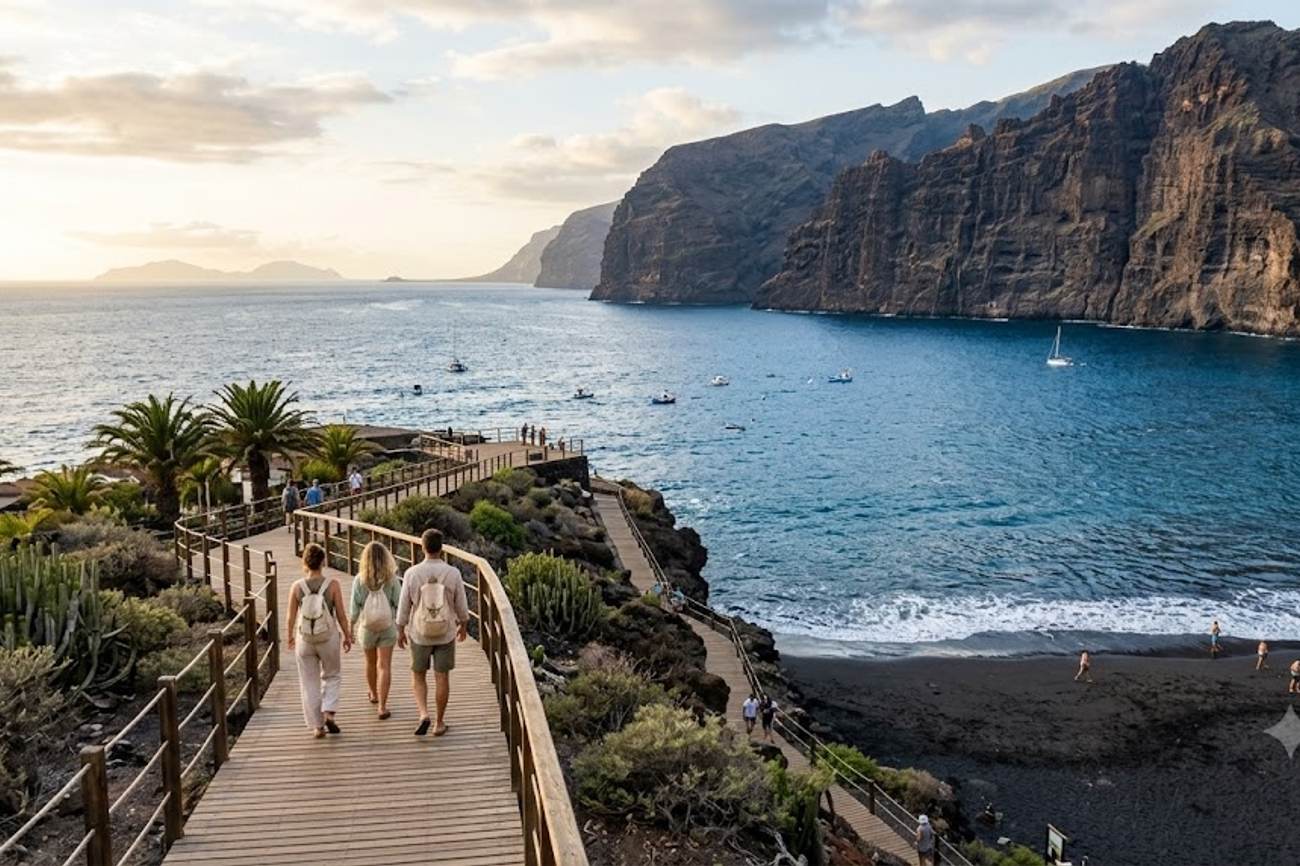
Image generated by AI
Are you planning a trip to Spain but worried about the impact of overtourism on your experience? Starting now, Spain is implementing the Sustainable Tourism Strategy 2030, a systemic overhaul of how visitors access the country's most fragile ecosystems and historic centers.
The Shift to Sustainable Tourism 2030
Spain is transitioning away from a volume-based tourism model toward a value-based system. The Sustainable Tourism Strategy 2030 is not merely a policy document; it is a logistical framework designed to balance economic growth with environmental resilience. For the traveler, this means that access to certain high-demand areas is becoming more regulated, and there is a concerted push to redistribute visitor flows from saturated coastal hubs to rural and inland regions.
The core of this transition involves the integration of "smart tourism" technology. By utilizing digital tools to monitor visitor movements in real-time, Spanish authorities are implementing better visitor distribution strategies. This means you may encounter new permit requirements for national parks, digital check-ins for historic sites, and a stronger emphasis on off-season travel to reduce the pressure on local infrastructure.
Regional Sustainability Frameworks
The implementation of these policies varies by region, with specific focus areas depending on the local geography. The following table outlines the primary sustainability priorities across the key impacted regions.
| Region | Primary Focus | Key Managed Assets | Logistics Status |
|---|---|---|---|
| Canary Islands | Ecosystem Protection | Teide National Park, Volcanic Landscapes | Active Regulation |
| Galicia | Coastal & Cultural | Camino de Santiago, Atlantic Islands National Park | Managed Access |
| Balearic Islands | Resource Management | Mallorca, Ibiza, Menorca, Formentera | High Regulation |
| Basque Country | Smart Mobility | Bilbao Urban Center, Digital Services | Tech-Integrated |
| Asturias | Rural Dispersion | Mountain Forests, Rural Villages | Low-Impact Focus |
| Castilla-La Mancha | Inland Expansion | Wine Routes, Heritage Towns | Emerging Growth |
| Castilla y León | Heritage Preservation | Historic Cities, Monuments | Preservation Focus |
| Extremadura | Eco-Tourism | Wildlife Reserves, Rural Lodgings | Nature-Based |
Traveler Logistics Guide
Navigating Spain under the 2030 Strategy requires a shift in how you plan your itinerary. You can no longer rely on spontaneous access to the most sensitive sites. Follow these step-by-step logistics guidelines to ensure a seamless trip.
1. Securing Access to Protected Areas In regions like Galicia and the Canary Islands, access to certain national parks and marine reserves now requires prior authorization. For the Atlantic Islands of Galicia National Park, you must check for specific visitor permissions and environmental rules before arrival. I recommend visiting the official Spain Tourism portal to identify which specific sites currently require pre-booked entry slots.
2. Managing the Camino de Santiago If you are trekking the Camino in Galicia, be aware that the region is intensifying its visitor management to protect local communities. To avoid overcrowding, plan your start date outside of the peak summer window. Use official pilgrimage resources to track flow and ensure your accommodation in rural villages is booked well in advance, as the strategy promotes smaller, locally-owned lodgings over mass-market hotels.
3. Navigating the Balearic Islands The Balearic Islands (Mallorca, Ibiza, Menorca, and Formentera) are implementing strict water and energy conservation measures. When booking accommodation, prioritize hotels with certified sustainable operations. Be prepared for stricter regulations regarding beach access and marine area protection. I suggest utilizing the RENFE rail network for mainland travel and coordinating with local sustainable transport providers once on the islands to minimize your carbon footprint.
4. Leveraging Smart Tourism in the Basque Country In cities like Bilbao, the "smart destination" approach means much of your logistics can be handled via mobile applications. From sustainable mobility options (electric shuttles and bike-sharing) to digital visitor services, the Basque Country is the best place to test integrated travel apps. Ensure your digital documents are updated and your roaming data is active to utilize real-time movement alerts.
5. Exploring the Inland "Slow Travel" Routes To avoid the crowds of the coast, redirect your itinerary toward Asturias, Castilla-La Mancha, and Extremadura. These regions are actively promoting "slow travel"—hiking, birdwatching, and gastronomy. Logistics in these areas are less centralized, so renting a hybrid or electric vehicle is the most efficient way to navigate rural heritage routes and wine regions.
Regional Connectivity Impact
The move toward sustainable tourism is fundamentally reshaping the connectivity map of Spain. Traditionally, the "sun and beach" corridor dominated flight and rail patterns. However, the 2030 Strategy is intentionally diverting traffic toward the interior.
To combat overtourism and preserve fragile ecosystems, the Canary Islands are implementing stricter visitor controls and sustainable management frameworks. These initiatives align with the strategic goals of the Spain Official Tourism Portal, which promotes a shift toward high-value, low-impact travel across the archipelago and mainland.
In the north, the synergy between the Basque Country's smart mobility and Asturias' rural focus is creating a new "Green Corridor." This allows travelers to move from high-tech urban centers to remote mountain forests with increasing ease. Meanwhile, in the south and center, the expansion of rural tourism in Castilla-La Mancha and Extremadura is putting pressure on regional transport authorities to improve connections between secondary cities and rural hubs.
For the frequent traveler, this means that secondary airports and regional train stations are becoming more viable entry points. Instead of flying into Madrid or Barcelona and venturing out, consider entering via regional hubs to support the goal of visitor distribution. This not only aligns with the national sustainability goals but often results in a more authentic, less crowded experience.
FAQ: Spain Sustainable Tourism 2030
Do I need a permit to visit national parks? Yes, in several regions. Specifically, the Atlantic Islands of Galicia National Park and certain areas in the Canary Islands use visitor permissions and access restrictions to protect fragile ecosystems. Always check official regional park websites before departing.
How is "Smart Tourism" affecting my travel? In regions like the Basque Country, this means more digital services for visitor management. You will find more integrated apps for sustainable mobility, digital check-ins, and real-time data on crowd density at major attractions.
What are the best "low-impact" alternatives to coastal Spain? I recommend Asturias for mountain and forest experiences, Castilla-La Mancha for wine and heritage routes, or Extremadura for wildlife and birdwatching. These regions are specifically designed for lower-impact, authentic tourism.
Are there restrictions on hotel stays in the Balearic Islands? While there are no blanket bans, there is a heavy push toward sustainable hotel operations. You will find that hotels focusing on water conservation and energy efficiency are being prioritized in regional planning and certifications.
Plan for the future of travel by choosing the road less traveled in Spain.
Tags: Spain-Sustainable-Tourism-2030, Canary-Islands-Logistics, Galicia-Transit-Guide, Balearic-Islands-Management, Smart-Tourism-Basque-Country
Related Travel Guides
- Malaysia Boosts Philippines Tourism Growth Despite Rising Fuel Surcharges and Higher Travel Costs for Visitors
- Cyprus Steps Up With Greece to Boost Sustainable Tourism Through Cross Border Clean Up and Marine Protection
- Abu Dhabi Elevates Tourism Experience With New Quality Guidelines Covering Airports Attractions and More
Disclaimer
This article is for informational and educational purposes only. It does not constitute legal, financial, or professional advice. While we strive to provide accurate and up-to-date information, travel policies, regulations, and conditions change rapidly. Always verify information with official sources before making travel decisions. Nomad Lawyer makes no representations about the accuracy, reliability, completeness, or suitability of the information provided. Readers should consult qualified professionals for advice specific to their circumstances. The views expressed in this article are those of the author and do not necessarily reflect the views of Nomad Lawyer.
Naina Thakur
Contributor & Travel Specialist
Travel enthusiast and legal writer covering visa regulations, responsible tourism, and cultural journeys across global destinations.
Learn more about our team →