
Çanakkale Culture Route Festival 2026: A Comprehensive Guide to Türkiye's Heritage Tourism
Explore the Çanakkale Culture Route Festival 2026, where the Turkish Ministry of Culture and Tourism blends ancient Dardanelles history with contemporary art and traditional Anatolian crafts.

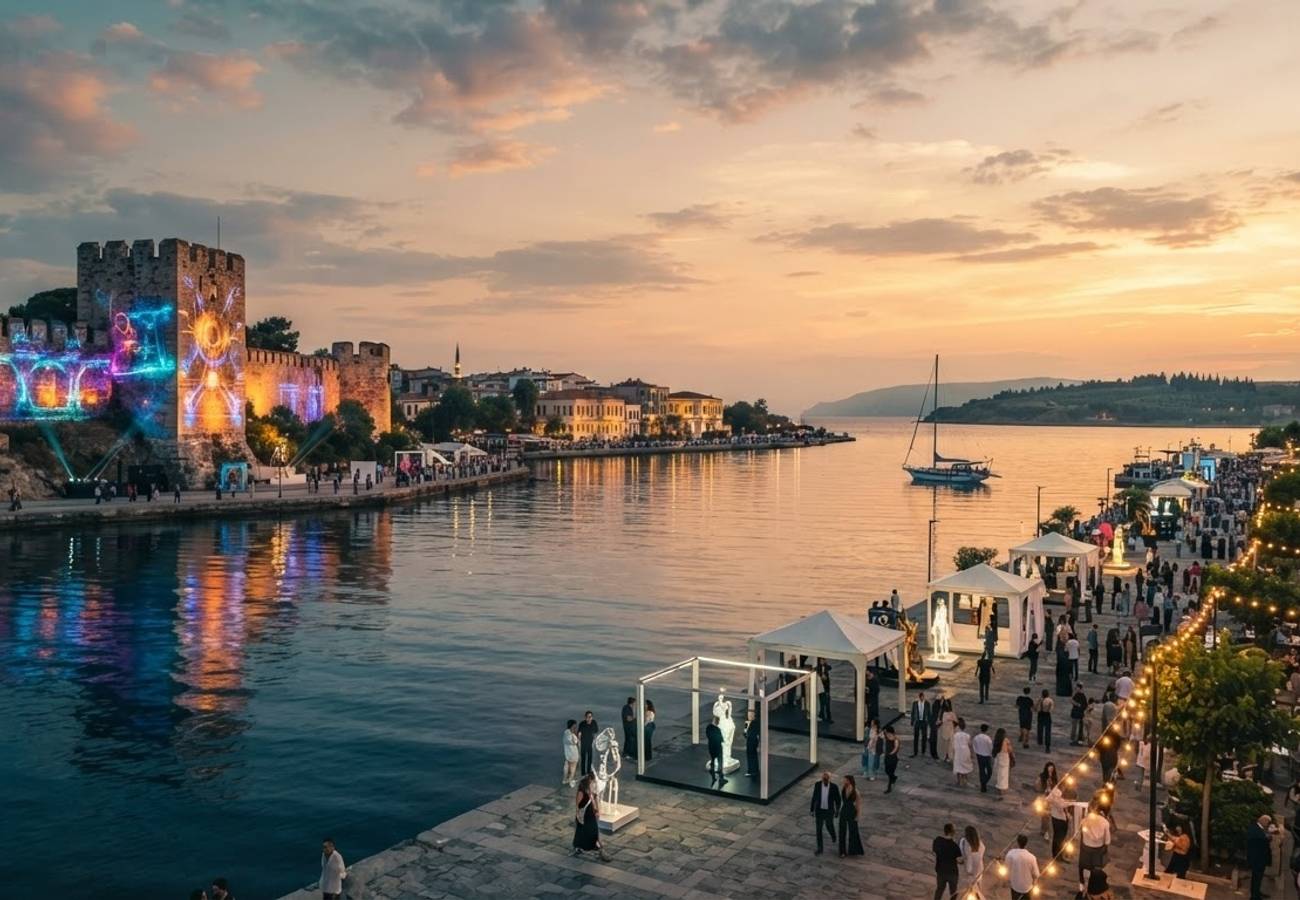
Image generated by AI
The Çanakkale Culture Route Festival transforms the Dardanelles into a living museum, merging millennia of history with avant-garde art. This Ministry-backed initiative represents the largest heritage preservation effort in Türkiye, designed to revitalize regional economies through sustainable tourism.
The Turkish Ministry of Culture and Tourism has established the Çanakkale Culture Route Festival as a cornerstone of its national strategy to protect intangible cultural heritage. By utilizing the shores of the Dardanelles—a strategic waterway bridging Europe and Asia—the festival converts ancient fortresses and archaeological sites into open-air galleries.
This initiative is not a standalone event but part of a broader network of Cultural Route Festivals across Türkiye. These events are designed to ensure that local customs are not only preserved but integrated into the modern global tourism economy.
Bridging Ancient History and Contemporary Expression
The festival leverages the unique geography of Çanakkale to create a dialogue between different eras. High-profile landmarks, including the Çanakkale Fortress and the Çanakkale Naval Museum, are repurposed as venues for digital light shows, classical music, and contemporary art installations.
Data from the Turkish Ministry of Culture and Tourism indicates that these heritage-focused initiatives have led to a significant increase in regional museum attendance. This surge in visitors has provided a critical economic boost to local communities through sustainable engagement.
For those interested in the intersection of old and new, the festival offers:
- Temporary Galleries: Art spaces positioned adjacent to archaeological marvels.
- Craft Demonstrations: Master-led workshops in ceramic tiling and textile weaving.
- Curated Dialogues: Displays where avant-garde sculpture and photography are juxtaposed with ancient artifacts.
Preserving Intangible Anatolian Arts
A primary objective of the festival is the protection of endangered Anatolian crafts. Through Ministry-backed preservation programs, the event provides a platform for master artisans to showcase techniques that are at risk of disappearing.
Visitors can engage directly with creators in restored Ottoman-era courtyards and urban squares. The focus is on "living heritage," where the process of creation is as important as the final product. Key crafts highlighted include:
- Ebru (Paper Marbling): The traditional art of creating colorful patterns on water.
- Copper Beating: Intricate metalwork reflecting centuries of trade.
- Traditional Pottery: Earth-based arts specific to the Troad region.
To elevate the experience beyond a typical craft fair, the festival integrates scholarly elements, such as educational panels detailing the historical trade routes that once defined the region.
Gastronomy of the Dardanelles and Troad Region
The festival treats culinary traditions as a vital component of cultural heritage. The gastronomic programming focuses on the fertile microclimate of the Gallipoli peninsula and the surrounding Aegean and Marmara influences.
Pop-up culinary pavilions showcase regional staples, including high-grade olive oils, fresh seafood, and local wines. These experiences are often paired with demonstrations by culinary historians who explain how Central Asian ancestry merged with Mediterranean staples to create the modern local palate.
Long-term Infrastructure and Sustainable Impact
The impact of the Çanakkale Culture Route Festival extends beyond its annual calendar. The Turkish government has used the festival as a catalyst for permanent infrastructural improvements, including:
- Facade Restoration: The renewal of historic buildings in the city center.
- Archaeological Lighting: Enhanced visibility and safety at ruins for night tourism.
- Cultural Hubs: The creation of permanent centers for art and youth apprenticeships.
Through international academic collaborations and artist residencies, Çanakkale is positioning itself as a global destination for those seeking a curated, expert-led exploration of Aegean heritage.
Festival Logistics and Visitor Information
| Feature | Details |
|---|---|
| Organizer | Turkish Ministry of Culture and Tourism |
| Primary Locations | Çanakkale City Centre, Historic Waterfront, Troy |
| Timing | Annually during the Autumn season |
| Duration | Typically one week |
| Key Activities | Heritage tours, art exhibitions, concerts, craft workshops |
| Transit Options | Municipal shuttles, reinforced public transport, pedestrian routes |
Key Takeaways
- Strategic Scale: The festival is part of Türkiye's largest national effort to preserve heritage and boost regional tourism.
- Economic Driver: Ministry data confirms a significant increase in museum visitation and local economic revitalization.
- Cultural Fusion: The event uniquely blends Ottoman and pre-Ottoman techniques with modern digital art.
- Sustainable Legacy: Permanent investments in lighting and restoration ensure the region benefits year-round.
FAQ
What is the primary goal of the Çanakkale Culture Route Festival? It is a multi-disciplinary event designed to promote regional tourism, protect historical landmarks, and showcase both traditional Anatolian crafts and contemporary Turkish arts.
When is the best time to visit? The festival occurs annually in the autumn. While specific dates change yearly, the events generally span one full week.
How do I get around the festival venues? Most events are concentrated in the city center and the waterfront. Local authorities provide reinforced municipal shuttle services and pedestrian-friendly routes to connect the city with sites like Troy.
A seamless blend of ancient mythology and modern dynamism, Çanakkale proves that history is best preserved when it is lived.
Related Travel Guides
Disclaimer
This article is for informational and educational purposes only. It does not constitute legal, financial, or professional advice. While we strive to provide accurate and up-to-date information, travel policies, regulations, and conditions change rapidly. Always verify information with official sources before making travel decisions. Nomad Lawyer makes no representations about the accuracy, reliability, completeness, or suitability of the information provided. Readers should consult qualified professionals for advice specific to their circumstances. The views expressed in this article are those of the author and do not necessarily reflect the views of Nomad Lawyer.
Kunal K Choudhary
Co-Founder & Contributor
A passionate traveller and tech enthusiast. Kunal contributes to the vision and growth of Nomad Lawyer, bringing fresh perspectives and driving the community forward.
Learn more about our team →