
UK Travel Alert: Storm Warrior Military Exercise Triggers Low-Flying Jets Over Cumbria, Yorkshire, and Scotland Through 2026
The UK Ministry of Defence's Storm Warrior exercise has intensified low-flying military aircraft activity across popular tourist regions including Cumbria, Yorkshire, and Scotland, creating visible jet operations affecting scenic travel zones.

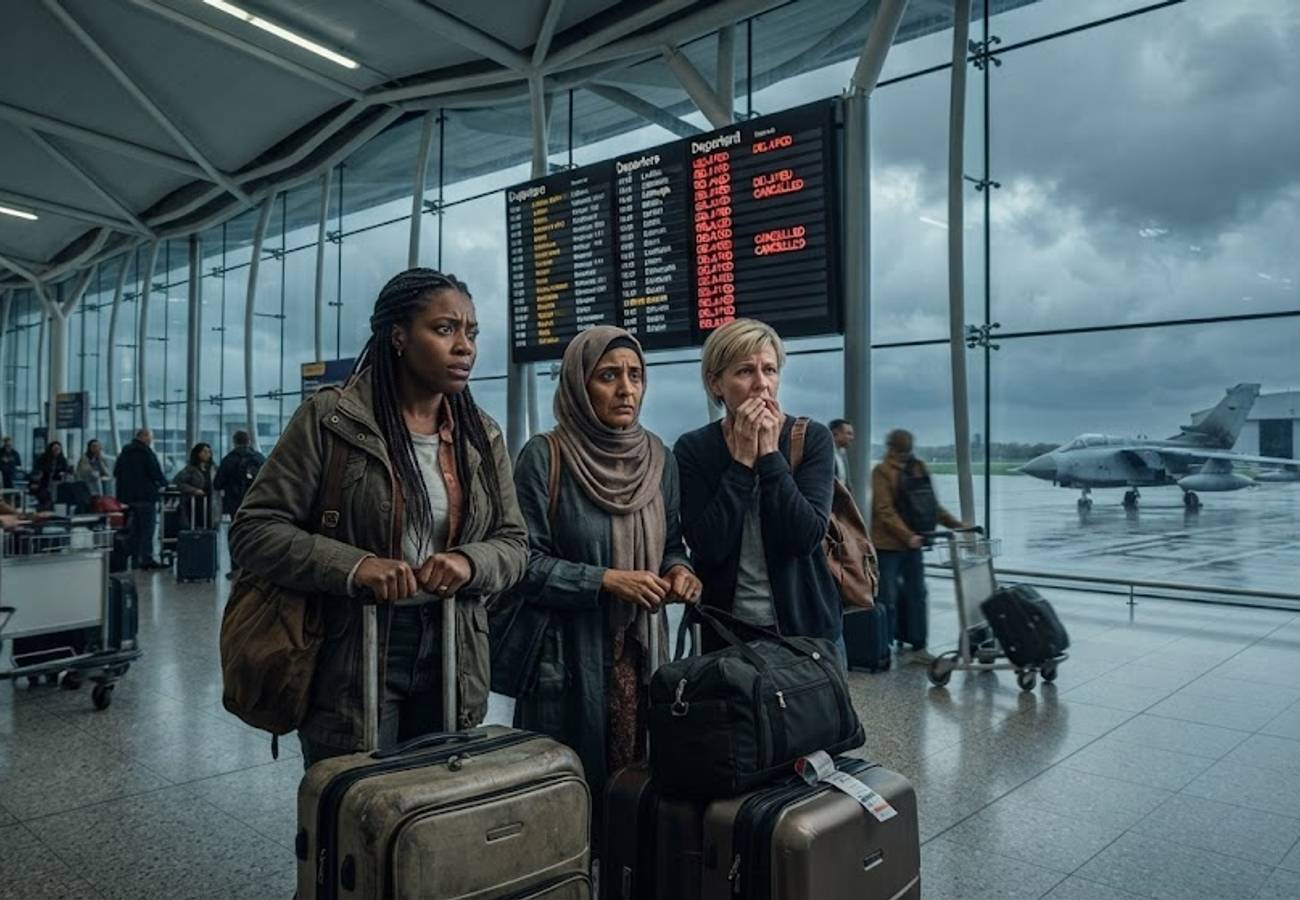
Image generated by AI
The Alert: Military Jets Now Dominating UK Scenic Airspace
The Ministry of Defence's Storm Warrior exercise has unleashed a significant surge in low-flying military aircraft across some of Britain's most picturesque travel destinations. Fast jets from the RAF are conducting intensive tactical training operations at reduced altitudes across Cumbria, North Yorkshire, Northumberland, and parts of Scotland, creating heightened visibility of high-speed combat aircraft over landscapes traditionally known for peaceful lake tourism and rural hiking.
If you're planning travel to northern England or Scotland in the coming weeks, expect to hear and see military jets operating at dramatically lower altitudes than normal civilian flight patterns.
What is Storm Warrior? Understanding the Exercise
Storm Warrior isn't a routine training flight—it's a large-scale, structured operational programme involving fast jet formations, tactical low-altitude navigation, and rapid-response combat drills. The exercise is designed to enhance RAF and allied air operations readiness through realistic scenarios that mirror contested airspace environments.
According to UK defence frameworks, these exercises operate under the official UK Low Flying System, which governs military air operations between ground level and controlled airspace ceilings. The training is essential for maintaining flight safety standards and operational proficiency, allowing pilots to develop critical terrain-masking skills and high-speed navigation abilities.
Reddit: "Just had three Typhoons screaming over our Lake District hike—absolutely mental but kind of impressive." — r/travel
Affected Travel Zones: Where You'll See the Jets
The exercise has drawn particular attention in scenic regions where military training corridors overlap with major tourism attractions:
Cumbria and the Lake District remain primary training zones, with low-flying operations visible across valleys and open terrain where aircraft can safely execute maneuvers at reduced altitudes. The region's boating, hiking, and leisure tourism infrastructure sits directly adjacent to established defence training routes.
North Yorkshire and surrounding northeastern landscapes experience regular scheduled military activity as part of structured low-flying corridors. These areas, while popular with domestic and international visitors, fall within regulated zones where tactical flying operations are pre-planned and officially published.
Scottish airspace, including designated training corridors in northern regions, has also seen increased Storm Warrior activity. These operations are time-bound and coordinated through official defence notice systems.
The temporary nature of this exercise shouldn't deter travelers—tourism infrastructure, scenic routes, and visitor accessibility remain completely unaffected.
How UK Airspace Separation Works
The Ministry of Defence coordinates military flight activity through rigorous scheduling systems designed to minimize disruption to civil aviation while preserving training effectiveness. UK airspace is carefully segmented into regulated zones where military aircraft operate under strict altitude, speed, and timing constraints.
These training corridors are deliberately designed to avoid major airports and controlled air traffic zones—think Manchester Airport, Leeds Bradford, and Glasgow International—while still providing the realistic terrain-based flight conditions pilots need for operational readiness. The structured system represents a careful balance between national defence requirements and civilian aviation safety.
Learn more about UK airspace management through the Civil Aviation Authority's official guidelines.
The Tourist Experience: Short-Term Visibility, Long-Term Stability
From a travel standpoint, increased military jet activity creates a noticeable—but temporary—shift in the sensory environment of scenic regions. Visitors to the Lake District or Yorkshire Dales may encounter visible fast-jet movements, engine noise, and tactical formations overhead during peak exercise periods.
However, these operations are completely temporary and represent routine defence preparedness rather than permanent airspace change. Tourism experts consistently note that while such activity may briefly alter the tranquility of destinations, it does not affect accessibility, accommodation bookings, or long-term travel patterns.
Reddit: "Storm Warrior jets every 30 minutes but still getting amazing hiking photos—the noise is intense but totally manageable." — r/UKPersonalFinance
Operational Purpose: NATO Integration and Combat Readiness
Storm Warrior forms part of a broader framework of UK military readiness exercises designed to integrate fast jet operations, multinational force coordination, and advanced tactical training. These exercises frequently serve as preparation phases for larger NATO-aligned drills, where aircrew refine mission planning, combat simulation, and real-time decision-making under pressure.
The exercise reflects modern defence priorities focused on agility, rapid deployment capability, and seamless interoperability with allied forces. Low-level flying techniques—exactly what Storm Warrior emphasizes—remain operationally essential for contemporary aerial defence strategies.
Explore NATO's official stance on military readiness exercises.
What This Means for Your Travel Plans
Bottom line: Storm Warrior poses zero safety risk to civilian travelers, attractions, or tourism infrastructure. The exercise is pre-planned, officially published, tightly regulated, and time-bound under formal defence frameworks. Your Lake District holiday, Scottish whisky trail, or Yorkshire countryside retreat will proceed exactly as planned.
What you will experience is temporary, visible military aviation activity—jets operating at lower altitudes with corresponding engine noise. This is the price of shared national airspace between civilian tourism and military readiness.
Regions across northern UK continue to attract millions of domestic and international visitors annually due to established tourism infrastructure, natural heritage sites, and transport connectivity. One military exercise doesn't change that equation.
UK travellers heading north should expect dramatic skies and tactical jet formations—part of keeping Britain's airspace secure.
Related Travel Guides
Disclaimer
This article is for informational and educational purposes only. It does not constitute legal, financial, or professional advice. While we strive to provide accurate and up-to-date information, travel policies, regulations, and conditions change rapidly. Always verify information with official sources before making travel decisions. Nomad Lawyer makes no representations about the accuracy, reliability, completeness, or suitability of the information provided. Readers should consult qualified professionals for advice specific to their circumstances. The views expressed in this article are those of the author and do not necessarily reflect the views of Nomad Lawyer.
Kunal K Choudhary
Co-Founder & Contributor
A passionate traveller and tech enthusiast. Kunal contributes to the vision and growth of Nomad Lawyer, bringing fresh perspectives and driving the community forward.
Learn more about our team →