
Canada-US Cross-Border Road Travel Surges as Air Travel Declines in 2026
Cross-border road travel between the US and Canada surges with vehicle traffic up 15.1% while high ticket prices lead to a decline in air travel.

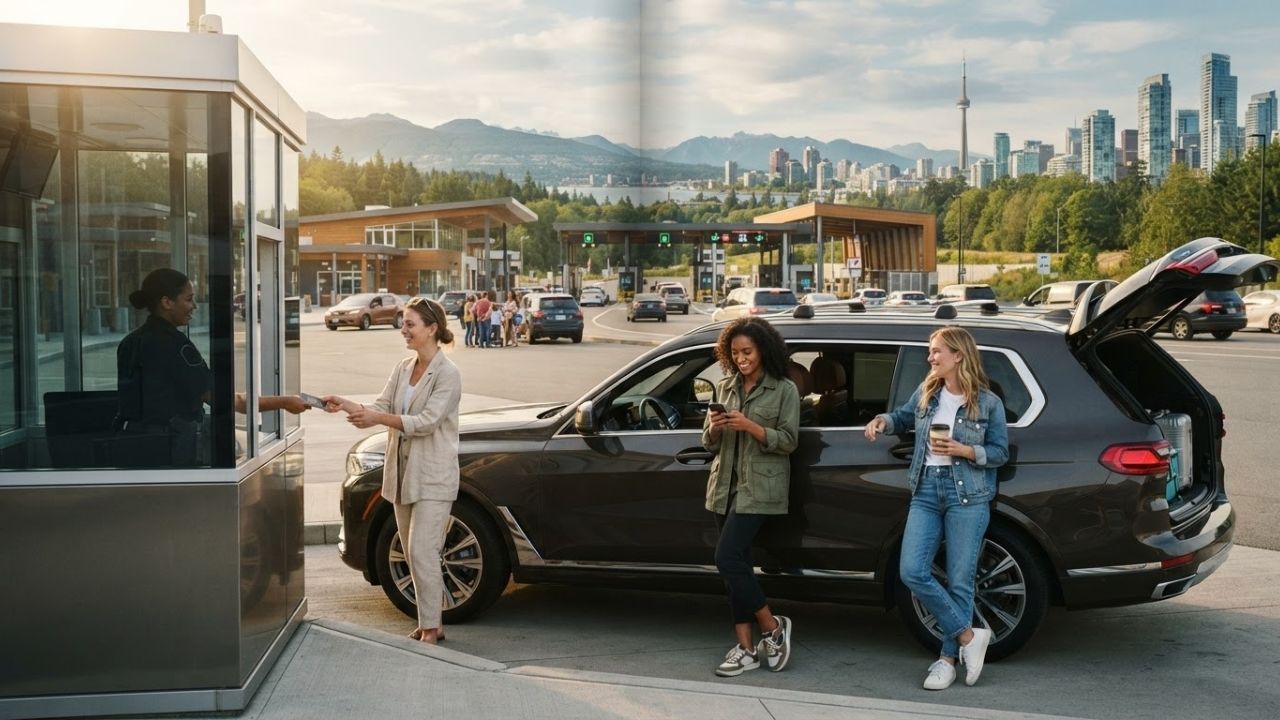
Image generated by AI
Cross-border road traffic between the United States and Canada has experienced a significant increase, with vehicle crossings rising up to 15.1% while airline passenger volumes declined up to 5.5%.
North American Cross-Border Travel Mode and Performance Trends
| Cross-Border Transport Mode | Performance Trend (Mid-2026) | Primary Driver of Change | Operational Impact |
|---|---|---|---|
| Private Automobile | Spiked 15.1% (early), 5.2% (July), 3.2% returnees | Lower transit cost, family flexibility | Increased congestion at major land gates |
| Commercial Aviation | Declined 3.8% – 5.5% | Escalating jet fuel costs, high ticket prices | Route suspensions by regional carriers |
| Remote Checkpoints | Phasing out by September 2026 | CBSA program conclusion | Rerouting of remote travelers to standard gateways |
Why This Matters: Flight and Airport Impact Breakdown
From an operational perspective, the shift from air to road transit along the border creates distinct transit conditions:
- Regional Flight Suspensions: Air Canada's suspension of selected routes reduces travel options for passengers who do not drive, requiring longer connections through primary hubs.
- Land Gateway Congestion: Key land border gates, including the Peace Arch (BC), the Ambassador Bridge (ON), and crossings near Niagara Falls, are experiencing longer vehicle queues during weekend holiday periods.
- Concentration of Remote Traffic: The Canada Border Services Agency (CBSA) has announced that the Remote Area Border Crossing (RABC) program will officially end by September 2026. This policy change will require travelers who previously used remote crossings to transit through standard checkpoints, increasing traffic at conventional border stations.
Passenger Rights & Advisory: Rebooking Rights and Border Compliance
For cross-border travelers navigating these changes, understanding legal protections and entry rules is essential:
- Flight Suspension Refunds: Under Canadian Transportation Agency (CTA) and U.S. DOT rules, if an airline cancels a flight due to route suspension, the passenger is entitled to a full refund to the original payment card. The carrier must offer rebooking options on partner airlines if available.
- NEXUS and Border ID Rules: Travelers using land crossings should verify passport validity and NEXUS lane access protocols. Passports should remain valid for the duration of the stay, and all passengers in the vehicle must hold a NEXUS card to use designated express lanes.
- RABC Program Transition: Travelers who historically relied on remote crossing permits must prepare routes through traditional CBSA checkpoints before the September 2026 deadline. Standard customs declaration rules and biometric checks will apply at these crossings.
- Special Event Documentation: Visitors driving across the border for the FIFA 2026 World Cup should carry printed event tickets and lodging confirmations to show border officers at primary inspection booths.
Industry Outlook: Regional Mobility and Bridge Infrastructure
As air travel costs remain high, regional road travel will continue to dominate U.S.-Canada cross-border tourism. The upcoming opening of the Gordie Howe International Bridge will expand capacity between Windsor and Detroit, supporting transit logistics and passenger flow. Border agencies will continue to standardize checkpoint operations, focusing on digital pre-clearance programs to process high-volume road traffic efficiently.
Related Travel Guides
Disclaimer
This article is for informational and educational purposes only. It does not constitute legal, financial, or professional advice. While we strive to provide accurate and up-to-date information, travel policies, regulations, and conditions change rapidly. Always verify information with official sources before making travel decisions. Nomad Lawyer makes no representations about the accuracy, reliability, completeness, or suitability of the information provided. Readers should consult qualified professionals for advice specific to their circumstances. The views expressed in this article are those of the author and do not necessarily reflect the views of Nomad Lawyer.
Preeti Gunjan
Contributor & Community Manager
A passionate traveller and community builder. Preeti helps grow the Nomad Lawyer community, fostering engagement and bringing the reader experience to life.
Learn more about our team →