
Canada Welcomes American Travelers as Border Tourism Rebounds in 2026
From Niagara Falls and Toronto to Vancouver, Canadian border destinations actively welcome American travelers with open crossings and favorable exchange rates.
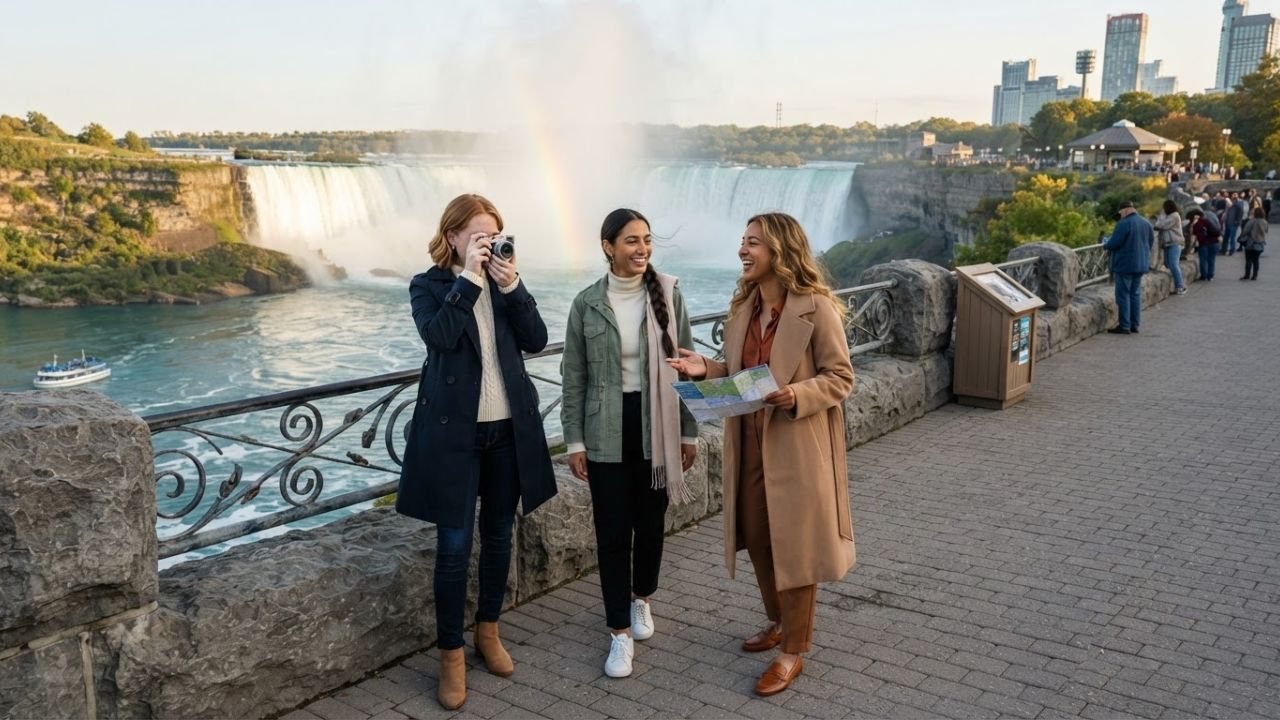
Image generated by AI
Emphasizing open land borders, favorable exchange rates, and deep community ties, Canadian destination operators from Niagara Falls to British Columbia are launching proactive campaigns welcoming American travelers to explore iconic northern destinations.
The Local Trend: Cross-Border Hospitality Rising Above Trade Headwinds
Tourism organizations across Canada are reaffirming their historic relationship with American travelers. Despite political dialogues and tariff disputes between federal administrations, regional Canadian Destination Management Organizations (DMOs) are emphasizing that cross-border travel remains entirely open, seamless, and economically advantageous for U.S. visitors.
The United States represents Canada’s largest inbound international tourism market. Unlike distant overseas source regions, millions of American vacationers access Canada via direct highway corridors, short-haul regional flights, and cross-border rail connections. By highlighting cultural warmth, world-class wilderness conservation, and strong U.S. dollar purchasing power, Canadian hospitality stakeholders are actively sustaining the multi-generational travel traditions that link neighboring border communities.
Key Canadian Gateways Connecting American Road-Trippers
Proximity and regional diversity define Canada's appeal for American leisure travelers:
- Niagara Falls and the Niagara-on-the-Lake Wine Country: Located minutes from Western New York crossings, Ontario’s Niagara region pairs the iconic Horseshoe Falls with historic bed-and-breakfasts, farm-to-table dining, and over 50 estate wineries specializing in VQA icewine.
- Toronto's Urban and Arts Corridor: Canada’s largest metropolis offers American visitors easy highway and rail access to Michelin-starred dining, Broadway-caliber theater in the Entertainment District, and world-class exhibits at the Royal Ontario Museum (ROM).
- British Columbia and Pacific Northwest Escapes: Road travelers from Washington State and air passengers across the Western U.S. frequently journey to Vancouver, Vancouver Island, and Whistler for coastal rainforest kayaking, alpine skiing, and Indigenous cultural tours.
Canada-US Cross-Border Travel Corridors & Visitor Advantage (2026)
| Region / Gateway | Primary Entry Access Points | Key Traveler Experiences | Strategic Visitor Advantage |
|---|---|---|---|
| Niagara & Southern Ontario | Peace Bridge (Buffalo), Rainbow Bridge | Horseshoe Falls, boat tours, VQA wineries | Short drive for East Coast & Midwest US |
| Greater Toronto Area (GTA) | Highway 401 corridor, Billy Bishop Airport | ROM, AGO, international gastronomy | Tier-one urban culture & luxury hospitality |
| Vancouver & British Columbia | Peace Arch Crossing (I-5), YVR Airport | Stanley Park, Whistler alpine hiking | Direct Pacific Northwest road-trip corridor |
| Canadian Rockies & Alberta | Coutts border crossing, YYC Calgary | Banff & Jasper National Parks, rail tours | Glacial lakes and pristine alpine wilderness |
| Quebec & Eastern Townships | I-87 & I-91 border crossings | Old Montreal, Quebec City historic ramparts | European heritage within a short drive of NY/VT |
Economic Value: Maximizing the Strong US Dollar
For American travelers, exploring Canada in 2026 offers distinct financial and logistical benefits:
- Significant Currency Exchange Power: With the U.S. dollar maintaining strong purchasing power against the Canadian dollar (CAD), American vacationers enjoy an immediate 25% to 35% discount on dining, luxury resort bookings, winery tours, and retail shopping.
- Direct Community and Ecological Support: Tourism dollars spent in rural Canadian communities directly fund municipal conservation areas, provincial park trail networks, and Indigenous cultural preservation centers.
Destination Specialist Local Insider Tips
American travelers planning a cross-border road trip or vacation to Canada can optimize their journey with these expert insights:
- Utilize NEXUS Lanes for Rapid Border Crossings: Travelers holding NEXUS or Global Entry cards should route through dedicated trusted-traveler lanes at the Peace Arch (BC), Rainbow Bridge (ON), and Thousand Islands (NY/ON) to bypass standard queues.
- Cycle the Niagara River Recreation Trail: Rent a touring bicycle in Niagara-on-the-Lake to pedal the 53-kilometer paved pathway running along the Niagara River Gorge, stopping at historic War of 1812 battlefields and fruit orchards.
- Book Ferries to Vancouver Island in Advance: When driving from Vancouver to Victoria, reserve vehicle slots on BC Ferries through Tsawwassen or Horseshoe Bay several weeks ahead during summer and holiday weekends.
- Sample Authentic Regional Culinary Specialties: When traveling through Quebec, visit local sugar shacks for maple syrup tastings and authentic poutine; in British Columbia, look for Ocean Wise certified wild Pacific salmon.
- Carry an Enhanced Driver’s License or Passport: Ensure all travelers have a valid U.S. passport book, passport card, or state-issued Enhanced Driver’s License (EDL) ready for land and water border presentations.
Future Outlook
Canada’s open-door approach demonstrates the enduring strength of cross-border travel. By celebrating shared geography, rich cultural diversity, and unmatched outdoor wilderness, Canadian tourism operators ensure that the northern border remains a welcoming bridge for American adventurers.
Related Travel Guides
Disclaimer
This article is for informational and educational purposes only. It does not constitute legal, financial, or professional advice. While we strive to provide accurate and up-to-date information, travel policies, regulations, and conditions change rapidly. Always verify information with official sources before making travel decisions. Nomad Lawyer makes no representations about the accuracy, reliability, completeness, or suitability of the information provided. Readers should consult qualified professionals for advice specific to their circumstances. The views expressed in this article are those of the author and do not necessarily reflect the views of Nomad Lawyer.