
Canada Travel Boom Explodes as Whistler Unveils Hidden Alpine Wonders Beyond Ski Adventures
Canada Travel Boom Explodes as Whistler Unveils Hidden Alpine Wonders Beyond Ski Adventures

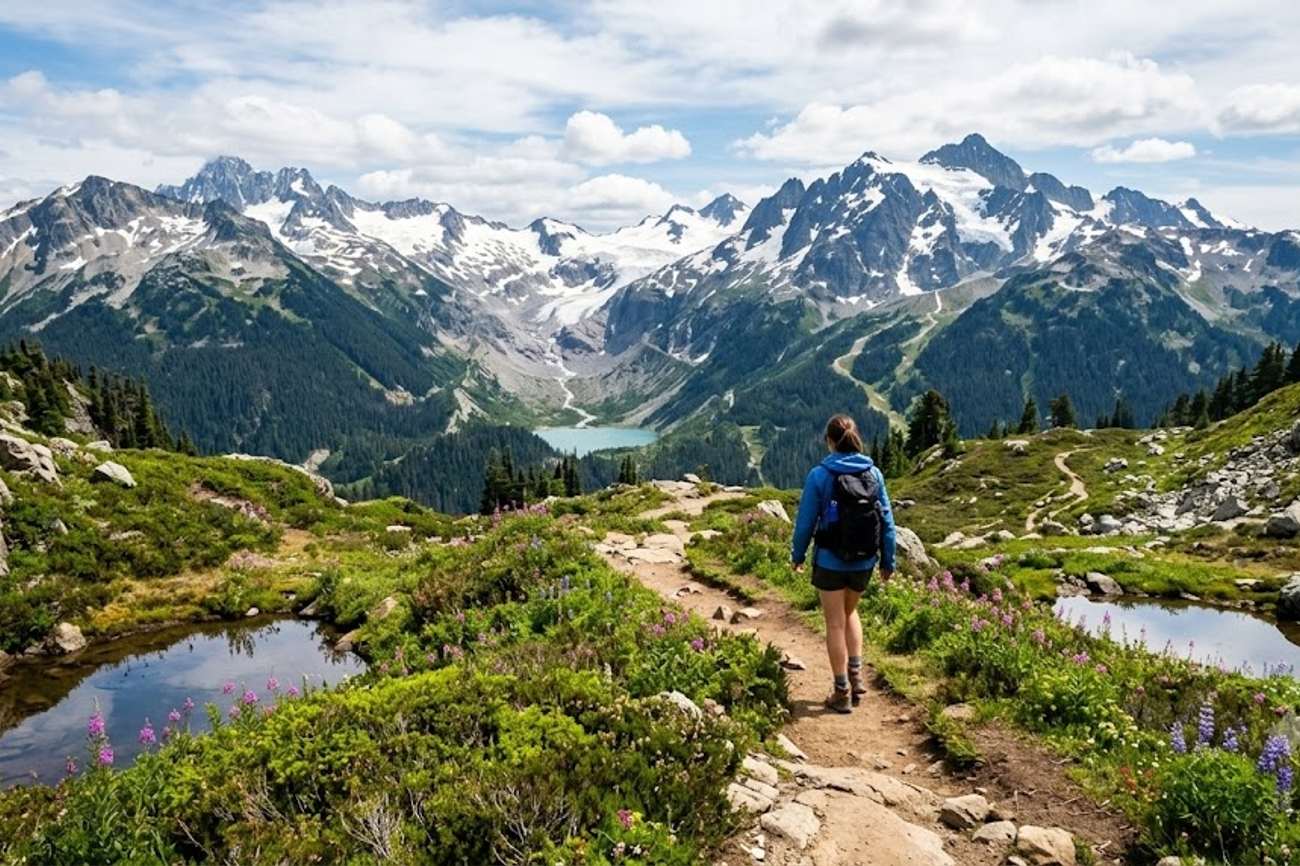
Image generated by AI
A shift in the operational identity of one of North America's most recognized alpine hubs signals a broader move toward "season-agnostic" tourism. While Whistler has historically relied on its reputation as a premier winter sports destination, the region is aggressively diversifying its product offering to mitigate the risks of seasonal volatility and climate dependency. By expanding into year-round wellness, Indigenous cultural tourism, and glacier exploration, the destination is repositioning itself from a ski resort to a comprehensive mountain ecosystem.
The Pivot from Seasonal to Perpetual Tourism
For decades, the economic engine of Whistler was almost exclusively fueled by the winter sports cycle. However, the current strategic pivot reflects a global trend in travel preferences where high-net-worth individuals and adventure seekers prioritize "authentic" and "multi-dimensional" experiences over single-activity trips. This transition is not merely a marketing shift but a logistical expansion of the region's infrastructure to support non-skiing demographics, including families, wellness retreats, and cultural historians.
The diversification strategy targets a specific gap in the market: the "non-participant" traveler. By developing high-end gondola sightseeing, forest immersion programs, and luxury wellness escapes, Whistler is capturing a segment of the market that previously viewed the region as inaccessible during the off-season or irrelevant if they did not ski. This approach aligns with broader trends tracked by the International Air Transport Association (IATA), which notes a rise in nature-based and sustainable travel patterns globally.
The Infrastructure of Alpine Diversification
The expansion of Whistler's appeal is anchored in its geographical assets, specifically its position within the Coast Mountains. The region is leveraging these assets to create a tiered experience model that operates independently of snowfall levels.
| Experience Pillar | Key Assets & Activities | Target Demographic |
|---|---|---|
| Glacial Exploration | Pemberton Icefield, guided wilderness treks | Adventure Seekers / Photographers |
| Cultural Heritage | Squamish Lil’wat Cultural Centre | Educational / Conscious Travelers |
| Wellness & Nature | Forest bathing, spa retreats, lake exploration | Couples / Wellness Tourists |
| Year-Round Adventure | Mountain biking, hiking, snowshoeing, tubing | Families / Active Non-Skiers |
| Village Economy | Boutique retail, mountain dining, cafés | General Tourists / Foodies |
The integration of the Pemberton Icefield as a primary draw allows the destination to offer "extreme nature" experiences that are distinct from the managed environment of the ski slopes. This moves the traveler from a passive observer of the mountains to an active participant in the wilderness, increasing the average length of stay and per-visitor spend.
Expert Analysis: The De-Risking of the Alpine Economy
From a business and logistical perspective, Whistler’s transformation is a textbook example of "economic de-risking." Reliance on a single industry—skiing—leaves a destination vulnerable to two primary threats: volatile weather patterns (low snow years) and the shifting demographics of winter sports participants.
Canada is experiencing a significant surge in tourism, with Whistler being a major draw for travelers seeking unique alpine experiences beyond skiing. According to Destination Canada, the country's official tourism board, visitors can explore hidden gems such as glacier hiking and wildlife viewing. As a result, international arrivals are expected to increase, with many travelers flying into Vancouver International Airport, which offers a range of flights and amenities.
For travelers booking this route, the direct consequence is a significant increase in availability and a broadening of price points. When a destination moves from a "peak/off-peak" binary to a four-season model, the pricing pressure shifts. We are seeing a move toward "shoulder season" stability, where the gap between the expensive winter months and the quieter autumn/spring months is narrowing.
Furthermore, the formal integration of the Squamish Nation and Lil’wat Nation through the Squamish Lil’wat Cultural Centre adds a layer of "intellectual capital" to the trip. For the modern nomad or luxury traveler, the value proposition is no longer just the physical activity (skiing) but the cultural context (Indigenous history). This creates a "sticky" destination—one where the visitor feels a psychological connection to the land, making them far more likely to return for a summer hiking trip after a winter visit.
The logistical shift is also evident in the accommodation sector. The move toward boutique properties and luxury resorts that offer wellness packages indicates that Whistler is competing not just with other ski hills, but with global wellness hubs. By positioning itself as a sanctuary for "meaningful connections with nature," Whistler is tapping into the high-growth sector of regenerative travel.
To accommodate the growing number of visitors, airlines such as Air Canada are increasing their routes and frequencies, making it easier for travelers to reach Whistler. For the most up-to-date flight information and to book tickets, travelers can visit the Air Canada website, which also offers travel tips and destination guides. Additionally, the Government of Canada website provides essential information on travel requirements, such as visas and health insurance, to ensure a smooth and enjoyable trip.
Key Takeaways
- Diversification of Product: Whistler is transitioning from a winter-centric ski hub to a four-season mountain destination focusing on wellness, culture, and nature.
- Cultural Integration: The partnership with the Squamish and Lil’wat Nations provides a critical cultural dimension via the Squamish Lil’wat Cultural Centre, moving beyond simple recreation.
- Environmental Assets: The Pemberton Icefield serves as a primary anchor for non-skiing adventure tourism, attracting photographers and wilderness explorers.
- Market Expansion: New offerings in snowshoeing, tubing, and mountain biking are designed to attract families and non-skiers, reducing the destination's dependence on the ski industry.
- Economic Stability: By creating a year-round appeal, the region is mitigating the financial risks associated with seasonal weather volatility.
FAQ: Whistler Non-Skiing Travel 2024
Can I visit Whistler in the winter if I don't ski? Yes. The destination now offers extensive non-skiing winter activities including snowshoeing, tubing, scenic gondola rides, and luxury spa experiences, alongside the dining and shopping options in Whistler Village.
What are the best non-skiing activities in Whistler during the summer? Summer visitors can access extensive hiking trails, mountain biking routes, and lake exploration. The region's alpine landscapes are accessible via gondola for those seeking sightseeing without strenuous trekking.
How can I learn about the local Indigenous culture in Whistler? The Squamish Lil’wat Cultural Centre is the primary hub for learning about the traditional knowledge, history, and artwork of the Squamish and Lil’wat Nations, who share the traditional territory.
What is the Pemberton Icefield and how do I visit? The Pemberton Icefield is a remote glacial environment offering guided wilderness adventures. It is designed for travelers seeking dramatic ice landscapes and educational journeys far from the main resort areas.
The mountain is no longer just a slope to descend, but a year-round asset to be explored.
Tags: Whistler BC, Squamish Lil’wat Cultural Centre, Pemberton Icefield, British Columbia Tourism, Coast Mountains, Canada Four-Season Travel
Related Travel Guides
- Turkish Airlines Revives Istanbul Minsk Travel Route Unlocking Powerful New Air Links Between Türkiye And Belarus
- Canada Welcomes United States Competitors as Edmonton Hosts Canadian Finals Rodeo 2026 from 7 to 10 October: All Details
- France Travel Gem Cassis Delights Autumn Travellers With Magical Coastal Views Warm Weather And Fewer Crowds
Disclaimer
This article is for informational and educational purposes only. It does not constitute legal, financial, or professional advice. While we strive to provide accurate and up-to-date information, travel policies, regulations, and conditions change rapidly. Always verify information with official sources before making travel decisions. Nomad Lawyer makes no representations about the accuracy, reliability, completeness, or suitability of the information provided. Readers should consult qualified professionals for advice specific to their circumstances. The views expressed in this article are those of the author and do not necessarily reflect the views of Nomad Lawyer.
Raushan Kumar
Founder & Lead Developer
Full-stack developer with 11+ years of experience and a passionate traveller. Raushan built Nomad Lawyer from the ground up with a vision to create the best travel and law experience on the web.
Learn more about our team →