
Canada Flight Chaos: 85 Cancellations, 462 Delays Strand Thousands Across Toronto, Vancouver, Montreal on July 1
Massive travel disruption hits Canada as 85 flights cancel and 462 delay across 8 major airports. Air Canada and Jazz lead disruptions affecting thousands of travelers nationwide.

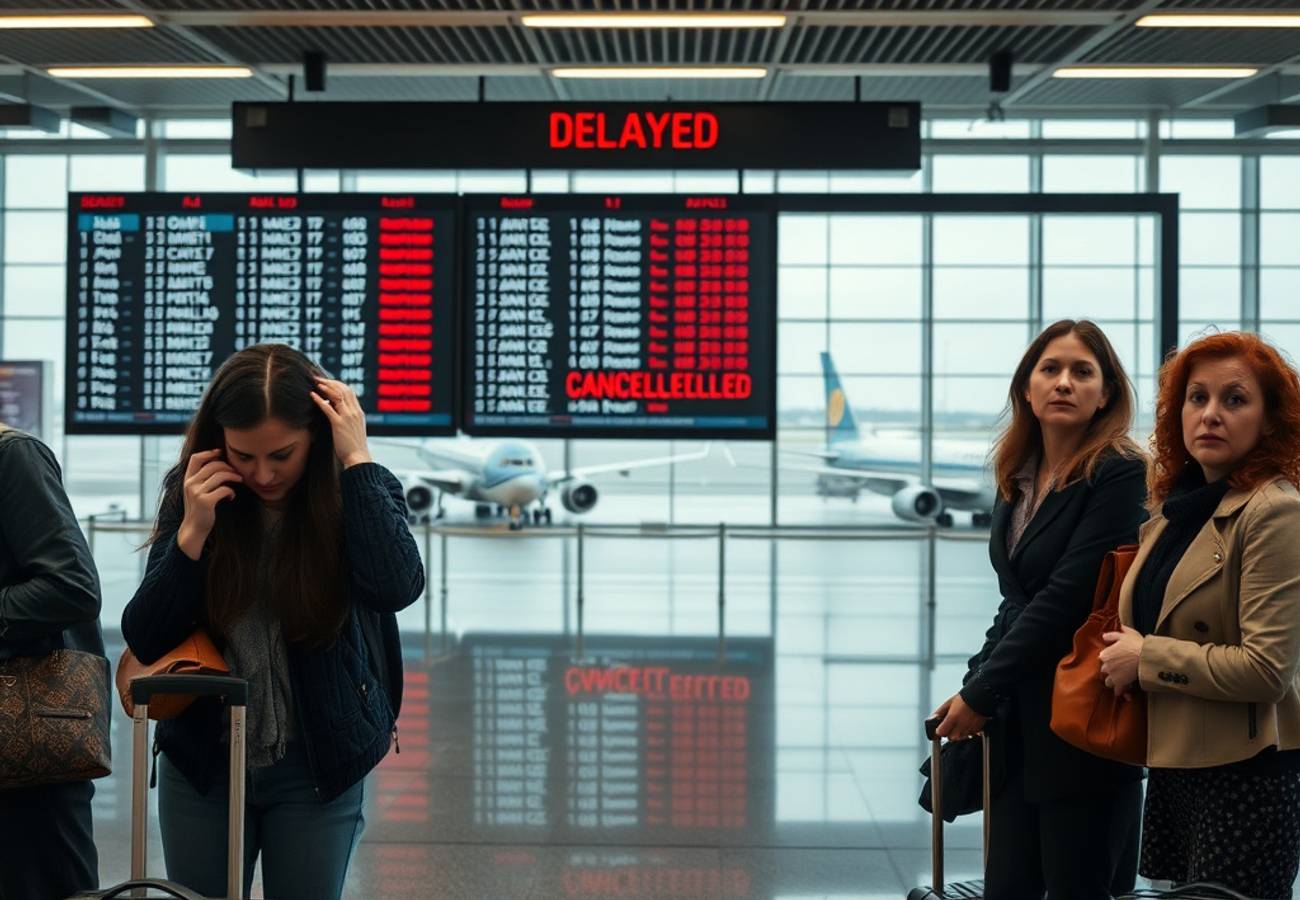
Image generated by AI
A Travel Crisis Unfolds Across Canada
It was the kind of day that makes airport workers groan and passengers pull their hair out. On July 1, 2026, Canadian air travel descended into chaos—and I mean real, measurable chaos backed by hard numbers.
85 flights cancelled. 462 flights delayed. Thousands of travelers left hanging, hoping, refreshing their airline apps like their lives depended on it.
The disruption wasn't isolated to one airport or one carrier. This was a nationwide cascading failure that rippled across eight major Canadian aviation hubs, impacting some of the country's biggest airlines. Air Canada, Jazz (ACA), WestJet, Porter Airlines, Flair Airlines, and Air Canada Rouge all logged significant operational meltdowns.
Reddit: "Just got delayed for the 3rd time at Pearson. Airlines need to explain what's happening." — r/canadiantravel
The Hardest Hit: Where the Damage Was Worst
Toronto Pearson International Airport Leads the Chaos
Toronto Pearson took the crown for Canada's worst-affected airport on the day. The country's busiest aviation hub recorded 141 delays and 20 cancellations—numbers that translate to thousands of frustrated passengers.
Air Canada and Jazz (ACA) were the primary culprits, though Flair Airlines, Porter Airlines, WestJet, Air Canada Rouge, Air Transat, and SkyWest all contributed to the operational mess. For travelers using Toronto Pearson, patience became a virtue worth practicing.
Montréal–Trudeau: Nearly 100 Flights Disrupted
Coming in second was Montréal–Trudeau International Airport, which experienced 95 delays and 14 cancellations. The airport's dominant carriers—Air Canada and Jazz (ACA)—bore responsibility for most disruptions, though Air Canada Rouge, WestJet, PAL Airlines, Porter Airlines, Air France, and Air Inuit also reported significant delays.
Vancouver, Calgary, Edmonton Follow Suit
Vancouver International Airport reported 77 delays and 15 cancellations, with Jazz (ACA) and Air Canada leading the pack. The cascade effect was immediate: connecting passengers faced domino delays that rippled through afternoon and evening schedules.
Calgary International experienced 43 delays and 2 cancellations, while Edmonton International logged 19 delays and 9 cancellations. Even smaller hubs like Halifax Stanfield (34 delays, 4 cancellations), Winnipeg (16 delays, 2 cancellations), and St. John's (7 delays, 5 cancellations) felt the pressure.
Toronto City Centre, meanwhile, became almost exclusively affected by Jazz (ACA) and Porter Airlines operations, recording 30 delays and 14 cancellations.
Which Airlines Failed Passengers?
Jazz (ACA): The Cancellation Leader
Jazz (ACA) topped the cancellation charts with 49 flights cancelled—nearly 58% of all cancellations across Canada that day. The regional carrier's network was essentially broken, affecting routes through Toronto Pearson, Montréal, Vancouver, Toronto City Centre, Calgary, Winnipeg, and Edmonton simultaneously.
Air Canada: Most Delays Nationwide
Air Canada experienced a different problem: delays rather than outright cancellations. The flag carrier logged 119 delays and 15 cancellations, making it the most delayed airline across affected airports. For a carrier of Air Canada's size, this represented a genuine operational failure.
The Cascade Effect: Smaller Carriers, Big Problems
Air Canada Rouge suffered 26 delays and 6 cancellations across six airports. Porter Airlines logged 36 delays and 2 cancellations, heavily impacting its Toronto base. WestJet recorded 45 delays across six provinces, while PAL Airlines documented 8 cancellations despite being smaller.
According to FlightAware's real-time tracking data, the disruptions began compounding around mid-morning and accelerated through the afternoon—a classic sign of cascading network failures rather than isolated incidents.
What Actually Caused This Meltdown?
The official explanation: aircraft rotations, crew scheduling conflicts, maintenance requirements, air traffic management adjustments, and airport congestion. In aviation speak, that's code for "multiple things went wrong simultaneously."
When you operate hundreds of daily flights across a country the size of Canada, even minor disruptions cascade. One delayed aircraft becomes two, then four, then dozens. Crew scheduling conflicts force carriers to cancel rather than operate short-staffed flights. Maintenance issues ground aircraft unexpectedly.
The July 1 disruptions showed exactly how fragile airline operations become when multiple systems fail at once.
What Should You Do If You're Affected?
Immediate Actions
Check your flight status directly with your airline before heading to the airport—this is non-negotiable. Don't rely on social media or third-party updates. Your airline has the definitive information.
Allow 45 minutes to an hour of additional travel time when departing from major hubs like Toronto Pearson, Montréal–Trudeau, or Vancouver. Airport congestion during disruption days reaches dangerous levels.
Stay Informed
Monitor your airline's notification channels obsessively. Schedule changes, gate reassignments, and rebooking information arrive without warning during crisis days. Check email, text alerts, and the airline app every 15 minutes.
Keep travel documents and essential medications easily accessible. Extended waits at airports mean you need quick access to identification, boarding passes, and any critical items.
If Your Flight Is Cancelled
Contact your airline immediately. Don't wait. Airlines manage seat inventory carefully during disruption events, and early contact improves rebooking options. Know your rights: Canadian air passenger rights entitle you to compensation and rebooking under specific circumstances.
Review baggage status if connecting through disrupted airports. Mishandled baggage rates spike during these events because baggage handlers face impossible workloads.
The Bigger Picture: Network Resilience Matters
This wasn't the first time Canadian aviation experienced a nationwide disruption, and it won't be the last. What matters is understanding that your airline's IT systems, crew scheduling software, and aircraft maintenance protocols all interact. When one fails, all suffer.
For nomadic professionals, remote workers, and frequent travelers, this highlights a critical reality: build flexibility into your Canadian travel plans. Book flights with adequate layover time. Purchase travel insurance that covers airline disruptions. Never assume your connection will work.
The July 1 disruptions affected 8 airports, 15+ airlines, and thousands of passengers. It was preventable chaos born from interconnected operational failures—the kind that remind us why redundancy and backup planning matter in travel logistics.
When the skies above Canada go gray, travelers learn the hard way that booking an airline is easy; getting where you need to go is the real challenge.
Related Travel Guides
Disclaimer
This article is for informational and educational purposes only. It does not constitute legal, financial, or professional advice. While we strive to provide accurate and up-to-date information, travel policies, regulations, and conditions change rapidly. Always verify information with official sources before making travel decisions. Nomad Lawyer makes no representations about the accuracy, reliability, completeness, or suitability of the information provided. Readers should consult qualified professionals for advice specific to their circumstances. The views expressed in this article are those of the author and do not necessarily reflect the views of Nomad Lawyer.
Kunal K Choudhary
Co-Founder & Contributor
A passionate traveller and tech enthusiast. Kunal contributes to the vision and growth of Nomad Lawyer, bringing fresh perspectives and driving the community forward.
Learn more about our team →