
Canada Camping Rugged: Lake Superior's Ontario Shoreline Transforms into Premier Adventure Hub
Ontario's Lake Superior shoreline emerges as a top canada camping rugged destination in 2026, featuring dramatic cliff-side trails, established campgrounds, and secluded beaches attracting adventure travelers worldwide.

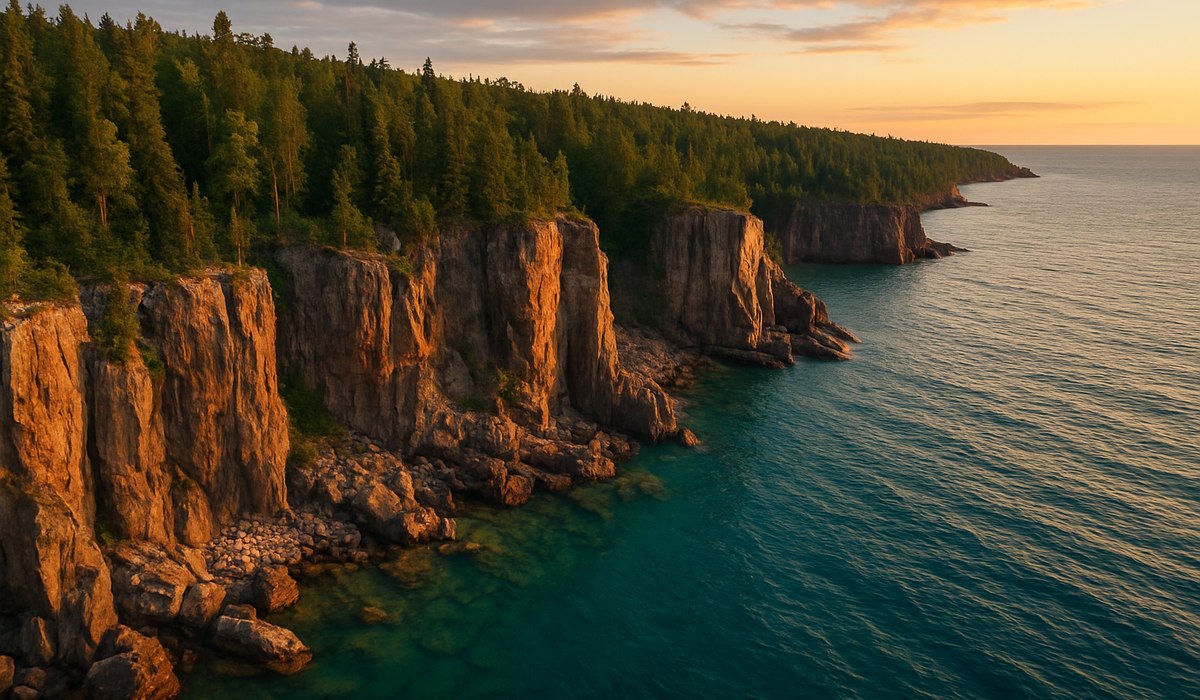
Image generated by AI
Ontario's Lake Superior Shoreline Establishes Itself as North America's Premier Rugged Camping Destination
Lake Superior's Ontario shoreline is experiencing unprecedented visitor interest in 2026 as adventure travelers discover its unmatched combination of dramatic cliff vistas, accessible campgrounds, and pristine beaches. The region, stretching across northern Ontario's rugged coastline, offers an authentic escape for hikers, campers, and nature enthusiasts seeking remote wilderness experiences without sacrificing basic amenities. From towering granite formations to hidden coves accessible only by foot, this canada camping rugged destination delivers the kind of raw natural beauty that defines northern Ontario's appeal.
The surge in visitor bookings reflects growing demand for authentic outdoor experiences that combine adventure with accessibility. Local tourism boards report that campgrounds along the shoreline now fill weekends months in advance, signaling a broader shift toward nature-based tourism in the Great Lakes region.
Best Campgrounds on Lake Superior's Ontario Shore
Established campgrounds dot the Ontario shoreline, each offering distinct advantages for different traveler preferences. Pukaskwa National Park campgrounds provide infrastructure-backed accommodations with direct lake access and ranger-led programs highlighting regional ecology. These facilities balance comfort with wilderness authenticity, making them ideal for families new to canada camping rugged experiences.
Superior provincial parks operate year-round facilities featuring electrical hookups, maintained fire pits, and access points for both day hikes and extended backcountry routes. Rossport Campground, situated near picturesque fishing villages, offers genuine lakeside positioning with moderate amenities. For travelers prioritizing solitude, dispersed camping areas throughout the shoreline permit tent-based setups in designated zones away from developed infrastructure. Many adventurers combine multiple campgrounds across a single trip, exploring different sections of the Superior shoreline systematically.
Advanced reservations are essential during peak season. Check official Ontario Parks for current availability at Ontario Parks Reservations.
Top Hiking Trails With Cliff Views
The shoreline hiking network ranks among North America's most visually dramatic, with trails ranging from two-hour walks to multi-day backcountry expeditions. The Slate River Trail near Marathon delivers stunning elevation changes, ascending through boreal forest before breaking into open vistas where granite cliffs plunge directly into Superior's waters. This route captures the essence of what makes canada camping rugged hiking experiences unforgettable—raw geological drama combined with challenging terrain.
Coastal trails near Terrace Bay wind through mixed forest ecosystems, frequently offering unobstructed lake panoramas. The Sleeping Giant Trail near Thunder Bay provides perhaps the most accessible cliff-view experience, featuring well-maintained switchbacks leading to summit platforms overlooking the entire Superior basin. Professional guides operate throughout the season for travelers seeking expert interpretation of the region's geological and ecological features. Early morning departures help adventurers avoid afternoon fog that occasionally obscures superior vista points.
Secret Beaches Worth Discovering
While established beaches near main towns draw steady crowds, exploration reveals dozens of secluded coves accessible primarily to hikers willing to venture beyond marked parking areas. Nipigon River mouth beaches combine river freshwater outflow with Superior's cold waters, creating unique thermal conditions favored by certain fish species. Archaeological evidence suggests Indigenous peoples utilized these beaches for millennia, adding historical dimension to shoreline exploration.
Gravel-based beaches near Schreiber remain largely undiscovered by mainstream tourism, offering peaceful settings perfect for contemplative seaside camping. Rocky shorelines throughout the region support tide pool ecosystems visible during low water periods. These hidden beaches require navigation skills and awareness of seasonal access limitations, particularly during spring flooding periods.
Best Time to Visit
May through September represents optimal visiting season, with July and August offering warmest water temperatures (approximately 15-18°C) and most reliable weather patterns. Late August and early September attract fewer visitors while maintaining pleasant conditions and stable camping weather. Winter access exists but demands specialized equipment and wilderness expertise. Spring (May-June) features dramatic seasonal transitions, with increased waterfall flows and emerging vegetation patterns. The shoulder season provides advantages: fewer crowds, manageable temperatures, and reduced campground competition while maintaining full facility operations.
Water temperature fluctuations throughout the season significantly impact swimming and water recreation feasibility. Serious swimmers should plan visits during July-August when Superior's thermocline zone reaches its annual maximum.
How to Get There
Highway 17 connects major access points along the Superior shoreline, linking Thunder Bay, Marathon, and Sault Ste. Marie. Fly-in service to Thunder Bay via major carriers provides the primary aviation gateway, with domestic connections available through Toronto and Ottawa hubs. Vehicle rental from Thunder Bay airport offers flexibility for exploring dispersed camping areas inaccessible via organized campground infrastructure.
Rail service through Via Rail connects major population centers to regional hubs, though onward transportation typically requires rental vehicles. From the United States, the Thunder Bay border crossing provides the most direct entry point. Road conditions remain excellent through summer months, though travelers should verify seasonal restrictions on secondary roads through provincial government resources.
Canada Camping Rugged: Essential Planning Details
| Factor | Details |
|---|---|
| Peak Season | July-August; advance reservations essential |
| Water Temperature | 8-18°C depending on season; wetsuits recommended |
| Trail Difficulty | Beginner to advanced; average 8-14 km daily distances |
| Average Campground Cost | CAD $35-65 per night depending on amenities |
| Best Hiking Months | June-September; August offers ideal conditions |
| Cell Coverage | Spotty; download offline maps before travel |
What This Means for Travelers
Ontario's Lake Superior shoreline positions itself as an essential destination for adventure travelers prioritizing authentic wilderness experiences. Consider these actionable approaches:
-
Book accommodations immediately when planning peak-season trips; popular campgrounds operate at full capacity by early spring.
-
Develop layered packing strategies accounting for Superior's dramatic weather shifts and cool water temperatures year-round.
-
Download offline maps covering your intended routes, as cellular coverage remains inconsistent throughout the shoreline region.
-
Start with established hiking trails before progressing to backcountry routes, allowing gradual acclimation to terrain difficulty and weather exposure.
-
Combine multiple campgrounds across single trips to experience diverse shoreline ecosystems and different cliff formations systematically.
-
Engage local outfitters for specialized equipment rental, reducing luggage requirements while accessing professional-grade camping and hiking gear.
Frequently Asked Questions
What's the safest time for beginners to attempt Lake Superior hiking?
July and August offer optimal conditions with warmest temperatures, most stable weather, and lowest avalanche risk. Shorter daylight hours still permit full hiking days. Beginning hikers should prioritize established trails with regular maintenance and clear signage before attempting remote backcountry routes.
Are permits required for camping along Ontario's Lake Superior shoreline?
Pukaskwa National Park requires advance backcountry permits. Provincial parks operate first-come, first-served day-use parking, though overnight camping requires campground reservations through Ontario Parks. Dispersed camping in designated zones operates under provincial regulations permitting free overnight setups in specified areas.
How challenging are typical shoreline hiking trails for someone with moderate fitness?
Most maintained trails accommodate moderate fitness levels, averaging 10-14 km daily distances with elevation gains of 300-500 meters. Coastal trails near main towns suit recreational hikers, while longer backcountry routes demand advanced experience. Progressive difficulty allows beginners establishing baseline fitness before attempting challenging elevation changes.
What wildlife encounters are realistic during Superior shoreline explorations?
Black bears, moose, and wolves inhabit the region though actual human encounters remain extraordinarily rare. Loons, eagles, and osprey provide consistent wildlife viewing opportunities. Following basic food storage protocols and maintaining noise awareness during travel effectively prevents problematic wildlife
Disclaimer
This article is for informational and educational purposes only. It does not constitute legal, financial, or professional advice. While we strive to provide accurate and up-to-date information, travel policies, regulations, and conditions change rapidly. Always verify information with official sources before making travel decisions. Nomad Lawyer makes no representations about the accuracy, reliability, completeness, or suitability of the information provided. Readers should consult qualified professionals for advice specific to their circumstances. The views expressed in this article are those of the author and do not necessarily reflect the views of Nomad Lawyer.
Kunal K Choudhary
Co-Founder & Contributor
A passionate traveller and tech enthusiast. Kunal contributes to the vision and growth of Nomad Lawyer, bringing fresh perspectives and driving the community forward.
Learn more about our team →