
Canada Redirects C$65 Million for Mackenzie Valley Highway to Unlock Yellowknife-Inuvik Arctic Tourism
A strategic C$65 million funding shift for the Mackenzie Valley Highway aims to bridge the gap between Yellowknife and Inuvik, targeting a critical recovery in Arctic general touring.

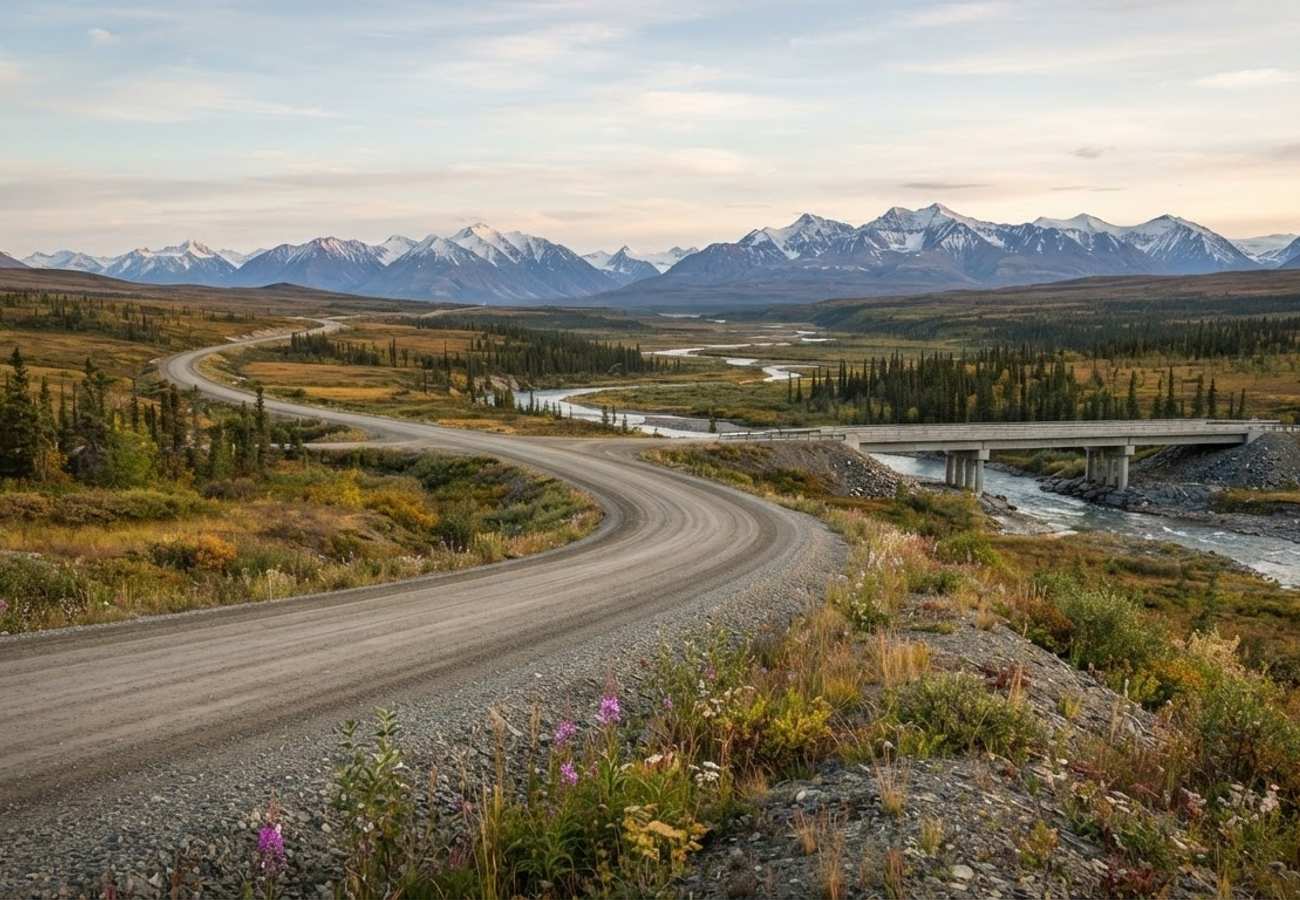
Image generated by AI
The Northwest Territories is eyeing a massive structural recovery as Canada authorizes the redirection of C$65 million in federal funding to accelerate the Mackenzie Valley Highway. This move targets a critical connectivity gap that has left general touring visitation 81% below 2019-20 levels.
The Strategic Shift in Arctic Connectivity
The Government of the Northwest Territories (GNWT) has received federal approval to amend a 2018 National Trade Corridors Fund agreement. This allows the realignment of C$65 million in existing federal funds toward the procurement, planning, and construction of bridges and road sections along the proposed Mackenzie Valley Highway corridor.
While not "new" money, the strategic value lies in the "building block" approach. Rather than waiting for the entire 800-kilometre corridor to clear every regulatory hurdle, the GNWT is advancing standalone infrastructure. For the high-value traveler, this means the fragmented gaps between Yellowknife and Inuvik are slowly closing, moving the region closer to a continuous, all-season overland visitor corridor.
A Historical Catalyst for Tourism Growth
The urgency of this project is underscored by a 2010 GNWT economic analysis. That study revealed a stark reality: while the Inuvik–Tuktoyaktuk All-Weather Road was expected to generate C$2.7 million in annual spending and 22 full-time jobs, a broader 20% uplift in regional visitation (roughly 2,500 to 2,700 additional tourists annually) was deemed unlikely without a permanent all-weather connection between Yellowknife and Inuvik.
In 2026, this 16-year-old forecast has become a roadmap for recovery. The Mackenzie Valley Highway is the missing piece of the puzzle required to maximize Western Arctic touring demand.
The Recovery Gap: High Value, Low Volume
Recent data released in March 2026 highlights a strange paradox in NWT tourism. While total visitation reached 75,600 (a 5% year-on-year increase) and spending rose to C$155 million, the "general touring" segment is struggling to return to pre-pandemic scales.
| NWT Tourism Indicator | 2019-20 | 2024-25 | Five-year Change |
|---|---|---|---|
| Total Visitation | 117,620 | 75,600 | -36% |
| Leisure Visitation | 85,320 | 58,970 | -31% |
| General Touring Visitors | 20,100 | 3,920 | -81% |
| General Touring Spending | C$20.5m | C$14.7m | -28% |
| Total Visitor Spending | C$204.6m | C$155.0m | -24% |
The data reveals that while visitor volume for general touring has plummeted by 81%, spending only dropped by 28%. This indicates that the remaining road travelers are spending significantly more per trip. For the regional economy, the goal is no longer just "more traffic," but the creation of longer-stay, high-value itineraries that support local communities.
2026 Infrastructure Milestones
The C$65 million realignment is currently powering five specific projects that serve as the foundation for the future highway:
- Highway 1 Resurfacing: Work is underway between N’Dulee Crossing and Wrigley to stabilize the southern approach.
- Oscar Creek Bridge: Procurement begins in summer 2026, with construction slated for the 2026-27 winter season.
- Christina Creek Realignment: Permitting is underway, with procurement expected in autumn 2026 and construction in 2027.
- Smith Creek Bridge: Currently in the planning, design, and regulatory phase.
- Wrigley Bypass: Ongoing geotechnical and routing work to manage the southern gateway.
Beyond these, the region has already seen 20.7 kilometres of new all-season road completed since 2018, including the first phase of the Prohibition Creek Access Road near Norman Wells.
Transforming the Arctic Journey
Once completed, the proposed 800-kilometre highway—stretching from Wrigley toward the Dempster Highway—will fundamentally change Arctic logistics. It will pass near Tulita, Norman Wells, and Fort Good Hope, communities that currently rely on a fragile mix of aircraft, river barges, and seasonal winter roads.
The impact on travel time is staggering. Canada’s Major Projects Office estimates the highway will reduce the overland distance between Yellowknife and Inuvik by approximately 1,200 kilometres, slashing travel time from 38 hours down to roughly 23 hours.
Visitor Insider Tips
For those planning to explore the Northwest Territories while these developments unfold:
- The "Shoulder" Window: The best time to visit for those seeking the Northern Lights without the extreme winter road restrictions is late August to September.
- Cultural Etiquette: When visiting communities like Tulita or Fort Good Hope, remember that these are living communities, not tourist exhibits. Always ask permission before photographing private residences or cultural sites.
- Dining Specialty: Seek out local Arctic Char and dried fish—regional staples that support indigenous fisheries.
- Hidden Spot: Explore the area around the Prohibition Creek Access Road for raw, untouched wilderness, but ensure you have a satellite communicator as cellular service is non-existent.
- Eco-Practice: Stick strictly to established roads. The Arctic tundra is incredibly fragile; a single tire track can last for decades.
Tourism Outlook
The transition from seasonal winter roads to an all-season corridor represents a shift toward sustainable, year-round economic stability for the NWT. By reducing reliance on expensive air travel and unpredictable ice roads, the region is positioning itself as a premier destination for "slow travel" and expedition-style touring. The focus remains on high-value, low-impact visitation that preserves the environmental integrity of the Mackenzie Valley.
The Arctic is opening up, but the true luxury will be the silence and space that only a 1,200-kilometre shortcut can provide.
Related Travel Guides
Disclaimer
This article is for informational and educational purposes only. It does not constitute legal, financial, or professional advice. While we strive to provide accurate and up-to-date information, travel policies, regulations, and conditions change rapidly. Always verify information with official sources before making travel decisions. Nomad Lawyer makes no representations about the accuracy, reliability, completeness, or suitability of the information provided. Readers should consult qualified professionals for advice specific to their circumstances. The views expressed in this article are those of the author and do not necessarily reflect the views of Nomad Lawyer.
Kunal K Choudhary
Co-Founder & Contributor
A passionate traveller and tech enthusiast. Kunal contributes to the vision and growth of Nomad Lawyer, bringing fresh perspectives and driving the community forward.
Learn more about our team →