
Travel California & New York 2026: Rising Costs Reshape US Destination Appeal
California and New York join other major U.S. destinations facing mounting travel costs and overtourism in 2026. Learn how changing conditions affect your American vacation plans this year.

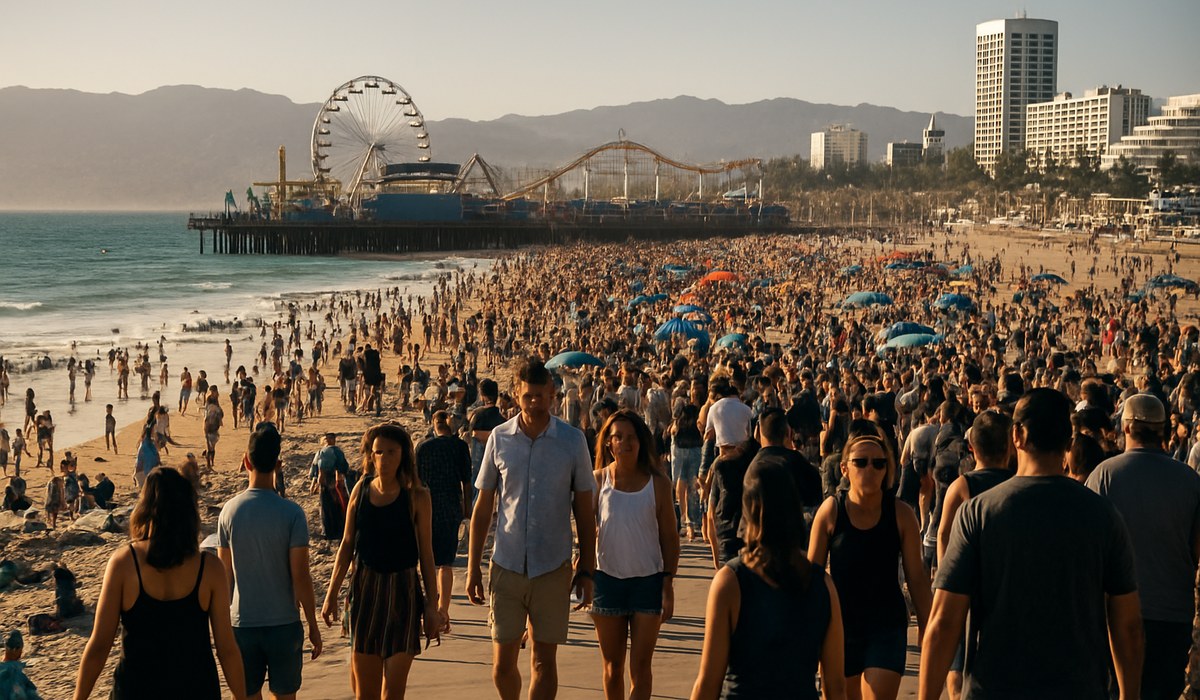
Image generated by AI
Major U.S. Destinations Grapple With Price Pressures and Visitor Saturation in 2026
California and New York are now confronting a shared challenge alongside Florida, Hawaii, Nevada, and South Carolina. Rising accommodation costs, service fees, and transportation expenses have fundamentally altered the value proposition for travelers exploring America's most popular destinations. This March 2026 reality reflects broader economic pressures reshaping how visitors plan their domestic vacations and which states deliver genuine travel ROI.
The shift presents both challenges and opportunities for savvy travelers evaluating their next American adventure.
What's Driving Cost Increases Across America's Top Destinations
Accommodation prices have surged dramatically across key U.S. markets. Hotel chains, vacation rentals, and boutique properties now charge premium rates that exceed historical averages by 25–40% in major metropolitan areas. Staffing shortages have compressed available inventory while demand remains resilient, particularly during spring and summer seasons.
Airlines serving major hubs like Los Angeles International (LAX) and John F. Kennedy International (JFK) have adjusted capacity and pricing strategies. Fuel costs, labor negotiations, and route consolidation contribute to elevated airfares. Regional carriers increasingly compete on premium cabin availability rather than economy-class discounts.
Food and beverage establishments have implemented substantial price increases. Dining in San Francisco, New York City, and Miami now rivals international luxury destinations in terms of per-meal cost. Street vendors, casual chains, and fine dining venues have all raised prices to offset labor and supply chain expenses.
Attraction admission fees continue climbing. Theme parks, national monuments, and cultural institutions have adjusted pricing to manage visitor volume. The California Coast, Yellowstone access points from Nevada, and Florida's theme park corridor all charge meaningfully higher entry fees than they did two years ago.
Peak Travel Seasons and Overtourism Patterns in 2026
Destination saturation peaks during conventional holiday windows and school break periods. Spring break (mid-March through early April) creates severe crowding at popular American beaches, ski resorts, and urban attractions. Summer vacation periods (June–August) draw international travelers alongside domestic families, compounding infrastructure stress.
Weekend travel to nearby destinations has intensified pressure on smaller towns and regional attractions. California's coastal communities now experience gridlock on Friday afternoons. New York's Brooklyn neighborhoods and outer boroughs absorb overflow from Manhattan's concentrated tourist zones.
Visitor management strategies vary by destination. Some municipalities implement timed-entry permits for popular trails and parks. Others encourage off-season travel through modest discounts and special events. Florida's tourism board actively promotes April–May and September–November shoulder seasons to redistribute visitor flow throughout the year.
Understanding these patterns helps travelers select optimal travel windows and avoid maximum-congestion periods when planning American vacations.
Best Time to Visit California, New York, and Peak U.S. Destinations
Late autumn and early spring offer the best balance of weather, crowd levels, and pricing for travel to California and New York. September through November delivers mild temperatures, reduced holiday crowds, and moderately lower accommodation rates compared to summer peaks. April and May present similar advantages before summer tourism explodes across America's major destinations.
Winter travel (December–February) presents mixed value. Holiday weeks command premium pricing, but post-holiday periods (January–early February) offer steep discounts and minimal crowds. However, weather variability in northern states and potential storm disruptions require flexibility.
Shoulder seasons reward early planners with 15–25% savings on accommodations compared to peak weeks. Attractions operate normally, restaurants maintain quality service, and parking becomes more manageable in congested urban centers.
Avoid travel during major holidays, spring break, and summer school vacations if cost management is a priority. These periods concentrate demand, pushing prices to annual highs while degrading the visitor experience through overcrowding.
How to Get There: Transportation Options for American Travelers
Major hub airports provide primary access to California and New York destinations, with competing airlines offering varying price points and service levels. LAX, San Francisco International (SFO), and San Jose International (SJC) serve California effectively. New York travelers choose between JFK, Newark International (EWR), and LaGuardia (LGA) based on destination proximity and airline availability.
Ground transportation costs have increased proportionally with air fares. Rental car rates spike during peak seasons, and ride-sharing services (Uber, Lyft) surge pricing during high-demand periods. Public transit remains cost-effective in urban centers; New York's MTA and California's BART systems provide reliable budget transportation.
Driving remains viable for regional trips. Gas prices fluctuate based on crude oil markets, but multi-day road trips often cost less per person than flights plus rental cars for smaller groups. Highway infrastructure across America remains well-maintained, though tolls in certain states (California, Florida, the Northeast Corridor) add meaningful expenses.
Train travel through Amtrak offers alternatives to flying, with routes connecting California's major cities and serving the Northeast Corridor between Florida and New York. Booking in advance secures better pricing than last-minute purchases.
Accommodation Strategy: Navigating Pricing and Location Trade-offs
Hotel pricing transparency has improved, but strategic booking techniques remain essential for securing value during travel to California, New York, and competing American destinations. Midweek stays (Tuesday–Thursday) consistently cost 20–35% less than weekend rates at identical properties. Hotels near transit hubs command premium pricing; properties one neighborhood further from main attractions often deliver 15–25% discounts.
Alternative accommodations including hostels, guesthouses, and serviced apartments provide budget-friendly options, particularly for solo travelers and smaller groups. Vacation rental platforms offer space advantages for families and multi-week stays, though cleaning fees and platform service charges have increased substantially.
Loyalty programs through hotel chains deliver measurable value. Frequent travelers accumulate points translating to free nights, room upgrades, and applicable status benefits reducing incidental charges.
What This Means for Travelers Planning 2026 American Vacations
Smart travelers adapting to current economic conditions can still enjoy California, New York, Florida, and other major American destinations through intentional planning. Here are specific actionable strategies:
-
Book accommodations 8–12 weeks in advance. Early reservations secure rates 15–30% below last-minute availability, even during moderate-demand periods.
-
Travel during shoulder seasons (April–May, September–November). These windows offer weather stability, reduced crowds, and meaningful price advantages compared to peak vacation months.
-
Use public transportation exclusively in urban destinations. Parking costs in San Francisco, Los Angeles, and New York exceed $20–40 daily; transit passes reduce this to $5–15 daily.
-
Prioritize free and low-cost attractions. Beaches, parks, walking neighborhoods, and cultural events provide value-driven experiences without premium entry fees.
-
Eat like locals outside tourist zones. Dining two blocks from major attractions costs 30–50% less than restaurant areas targeting visitor traffic.
-
Consider regional destinations alongside major cities. Smaller American towns deliver comparable experiences with substantially lower accommodation and dining costs.
-
Set flexible travel dates if possible. Price variability across even three-day windows can create savings exceeding $200–500 per person.
FAQ: Common Questions About Travel to California, New York, and U.S. Destinations
Is it still worth traveling to California and New York in 2026 despite rising costs? Yes, but strategic planning maximizes value. Shoulder season travel (April–May, September–November) combined with public transportation and neighborhood dining reduces typical costs by 25–35%. Both destinations offer world-class attractions, cultural experiences, and natural scenery unavailable elsewhere. Budget-conscious travelers maintain satisfying experiences through intentional accommodation, dining, and activity choices.
What's the best time to travel to California and New York when prices are lowest? Late April through May and September through October deliver optimal pricing combined with favorable weather. These shoulder seasons avoid summer peak pricing (June–August) and holiday premiums (December–February). Hotel rates typically drop 20–30% compared to peak seasons. Crowds remain manageable while attractions operate at full capacity.
How have 2026 travel costs changed compared to previous years for America's major destinations? Accommodations have increased 25–40% since 2024 across California, New York, Florida, and Hawaii. Dining costs have risen 15–25% as restaurants address labor and supply expenses. Airline fares fluctuate based on fuel prices and demand, but maintaining relative parity with 2024 levels. Attraction admission fees increased 10–20% at major venues. Public transportation fares rose modestly (5–10%) across urban systems.
Which American destinations offer better travel value than California and New York in 2026? Secondary markets including Austin (Texas), Denver (Colorado), Albuquerque (New Mexico), and Charleston (South Carolina) deliver comparable experiences with 30–50% lower accommodation and dining costs. Regional parks throughout the Southwest and Great Plains provide world-class natural attractions with minimal entry fees. Mountain destinations outside peak ski season (spring/summer) offer recreation and scenic beauty at fraction of California or New York pricing.
Related Travel Guides
Florida Travel Guide 2026: Beating Overtourism and Rising Costs
Budget New York City Tourism: Off-Peak Season Savings
Hawaii Alternative Destinations: Similar Experiences, Lower Costs
Disclaimer
Disclaimer
This article is for informational and educational purposes only. It does not constitute legal, financial, or professional advice. While we strive to provide accurate and up-to-date information, travel policies, regulations, and conditions change rapidly. Always verify information with official sources before making travel decisions. Nomad Lawyer makes no representations about the accuracy, reliability, completeness, or suitability of the information provided. Readers should consult qualified professionals for advice specific to their circumstances. The views expressed in this article are those of the author and do not necessarily reflect the views of Nomad Lawyer.
Raushan Kumar
Founder & Lead Developer
Full-stack developer with 11+ years of experience and a passionate traveller. Raushan built Nomad Lawyer from the ground up with a vision to create the best travel and law experience on the web.
Learn more about our team →