
Beyond the Big Cities: How Bryan Earned Texas Tourism Certification with 4.9 Million Annual Visitors

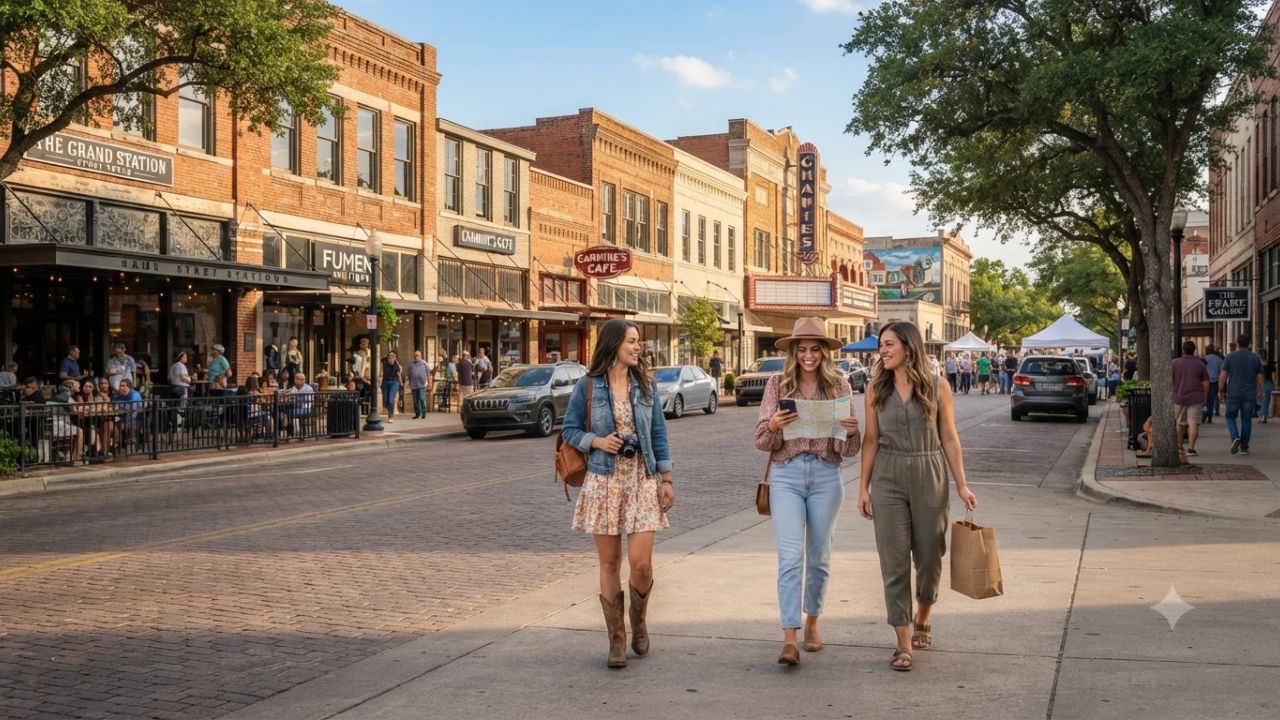
While global travelers routinely focus on Austin, Houston, and San Antonio, the historic railroad city of Bryan quietly drew an estimated 4.9 million visitors in 2025, generating $190.1 million in direct visitor spending and supporting around 2,300 local jobs. This remarkable performance in the heart of the Brazos Valley has earned Bryan official designation as a Tourism Friendly Texas Certified Community, validating the city's successful transition from a quiet agricultural depot into one of the Lone Star State's most engaging cultural and events destinations.
The state-level recognition comes amid unprecedented statewide momentum. According to official data from Travel Texas, travelers generated a massive $201.8 billion total economic impact across Texas in 2025, supporting 1.3 million jobs, recording $98.7 billion in visitor spending, and contributing $9.2 billion in state and local taxes as more than 52 million travelers arrived from outside the state. Within this booming travel economy, Bryan proves that independent travelers are prioritizing walkable historic districts, authentic craft culture, and community warmth over overcrowded urban corridors.
The Brazos Valley Surge: Inside Bryan's Tourism Friendly Certification
The Tourism Friendly Texas Certified Community program provides municipalities with specialized development tools, state promotional alignments, and structured frameworks to expand local visitor economies. Bryan's certification highlights how focused historic preservation and modern event infrastructure can build a sustainable hospitality engine.
Rather than relying solely on collegiate athletic weekends from neighboring College Station, Destination Bryan has built a year-round calendar of cultural festivals, culinary showcases, and sports tournaments anchored by the multi-use Legends Event Center.
| Economic & Tourism Metric | Reported 2025 Benchmark | Impact on Bryan & Brazos Valley |
|---|---|---|
| Annual Visitor Volume | 4.9 million visitors | Expands hotel occupancy and retail spending across all four seasons |
| Direct Visitor Spending | $190.1 million | Directly fuels independent restaurants, craft shops, and boutique hotels |
| Local Employment | ~2,300 supported jobs | Provides stable careers across hospitality, event services, and culinary arts |
| Texas Statewide Economic Impact | $201.8 billion | Highlights tourism as a primary economic engine for the entire state |
| Texas Travel-Supported Jobs | 1.3 million jobs | Demonstrates the statewide scale of the travel and recreation sector |
| Statewide Visitor Spending | $98.7 billion | Drives retail, accommodation, and food service revenues across counties |
| State & Local Tax Revenue | $9.2 billion | Funds municipal infrastructure, public parks, and historic conservation |
| Out-of-State / Global Arrivals | >52 million visitors | Underscores Texas as a premier global travel and trade destination |
This structured approach connects local entrepreneurs directly with state-level marketing campaigns, allowing Bryan’s artisan coffee roasters, antique dealers, and live music venues to reach national audiences.
What Sets Bryan Apart: Red-Brick Heritage and Living Railroad Roots
Founded in the 1860s along the Houston and Texas Central Railroad, Bryan maintains a preserved historic core that feels distinctly different from the glass-and-steel skylines of modern Texas metropolises.
Historic Downtown Bryan features one of the largest concentrations of turn-of-the-century commercial architecture in the state. Red-brick streets lined with cast-iron lampposts guide visitors past restored mercantile storefronts, art galleries, and live performance spaces like the historic Queen Theatre, which has entertained patrons since the silent film era. The district is recognized by the Texas Historical Commission for its outstanding commitment to Main Street preservation.
Cultural roots here are deeply tied to the diverse Czech, Italian, German, and African American settlers who built the Brazos Valley's agricultural foundation. This legacy is preserved through authentic culinary traditions, from slow-smoked post-oak barbecue to hand-cranked kolaches and estate-grown Blanc du Bois wines produced at nearby heritage vineyards along the Brazos River.
Visitor Insider Tips: Timing, Local Feasts, and Transport Hacks
Navigating Bryan like a seasoned traveler requires knowing the rhythms of the Brazos Valley and exploring at a relaxed southern pace:
- Plan Around First Friday: Time your visit for the first Friday of any month, when Historic Downtown Bryan closes streets to vehicular traffic for a massive community street festival featuring live street musicians, pop-up art exhibits, and extended evening hours at independent boutiques.
- Base Yourself in the Historic Core: Skip generic highway chain hotels and stay at boutique restored properties such as The Stella Hotel near the lake or historic downtown guesthouses where you can explore entire blocks on foot.
- Savor Post-Oak Barbecue and Authentic Kolaches: Start your morning at traditional downtown bakeries for savory jalapeño-sausage kolaches, and head for lunch at local smokehouses serving brisket slow-smoked over seasoned post-oak wood with house-pickled onions and mustard potato salad.
- Fly Direct or Road-Trip the Triangle: Easterwood Airport (CLL) in neighboring College Station offers direct feeder flights from Dallas/Fort Worth (DFW) and Houston (IAH). Alternatively, Bryan sits comfortably at the center of the Texas Triangle—just a 90-minute drive from Houston and two hours from Austin.
- Explore Outdoor Waterways and Regional Parks: Combine downtown heritage walks with kayaking or paddleboarding along the Brazos River and Lake Bryan, managed in coordination with the Texas Parks and Wildlife Department.
Cultural and Environmental Context: Preserving Heritage in a Growing Valley
The rapid growth of Bryan's visitor economy illustrates how smaller communities can welcome millions of guests without compromising their architectural integrity or small-town character. Historic preservation tax credits and strict downtown design guidelines ensure that historic facades are restored with authentic materials rather than demolished for modern strip centers.
Furthermore, community-driven tourism initiatives prioritize local agricultural producers. Farm-to-table restaurants in downtown source seasonal vegetables, grass-fed beef, and artisan goat cheeses directly from family-operated farms across Brazos, Robertson, and Grimes counties.
By distributing visitor footfall throughout the historic downtown and recreational reserves like Lake Bryan, the community prevents environmental wear and vehicular gridlock, creating a sustainable model where tourism revenue directly funds public parks, civic libraries, and neighborhood revitalization projects.
FAQ: Visiting Bryan, Texas in 2026
What earned Bryan the Tourism Friendly Texas certification?
Bryan achieved certification through its dedicated tourism development strategy, revitalized historic downtown, strong civic partnerships, and welcoming an estimated 4.9 million annual visitors.
How far is Bryan from major Texas travel hubs?
Bryan is situated approximately 95 miles northwest of Houston (90-minute drive) and 100 miles east of Austin (2-hour drive), making it an accessible weekend getaway.
What is the best season to explore Historic Downtown Bryan?
Spring (March to May) and Autumn (September to November) offer comfortable daytime temperatures in the 70s and 80s Fahrenheit, ideal for walking tours, outdoor patios, and music festivals.
Are there direct flights available to the Bryan area?
Yes, Easterwood Airport (CLL) offers daily commercial flights connecting directly through American Airlines and United Airlines hubs at Dallas/Fort Worth and Houston.
[From the nostalgic whistle of freight trains to lively red-brick evenings, Bryan proves that the true heart of Texas beats in its historic community squares.]
Related Travel Guides
Disclaimer
This article is for informational and educational purposes only. It does not constitute legal, financial, or professional advice. While we strive to provide accurate and up-to-date information, travel policies, regulations, and conditions change rapidly. Always verify information with official sources before making travel decisions. Nomad Lawyer makes no representations about the accuracy, reliability, completeness, or suitability of the information provided. Readers should consult qualified professionals for advice specific to their circumstances. The views expressed in this article are those of the author and do not necessarily reflect the views of Nomad Lawyer.
Raushan Kumar
Founder & Lead Developer
Full-stack developer with 11+ years of experience and a passionate traveller. Raushan built Nomad Lawyer from the ground up with a vision to create the best travel and law experience on the web.
Learn more about our team →