
British Airways Stranded Passengers on Freezing Canadian Island for Days: Full Details
Breaking airline news and aviation industry updates for 2026.

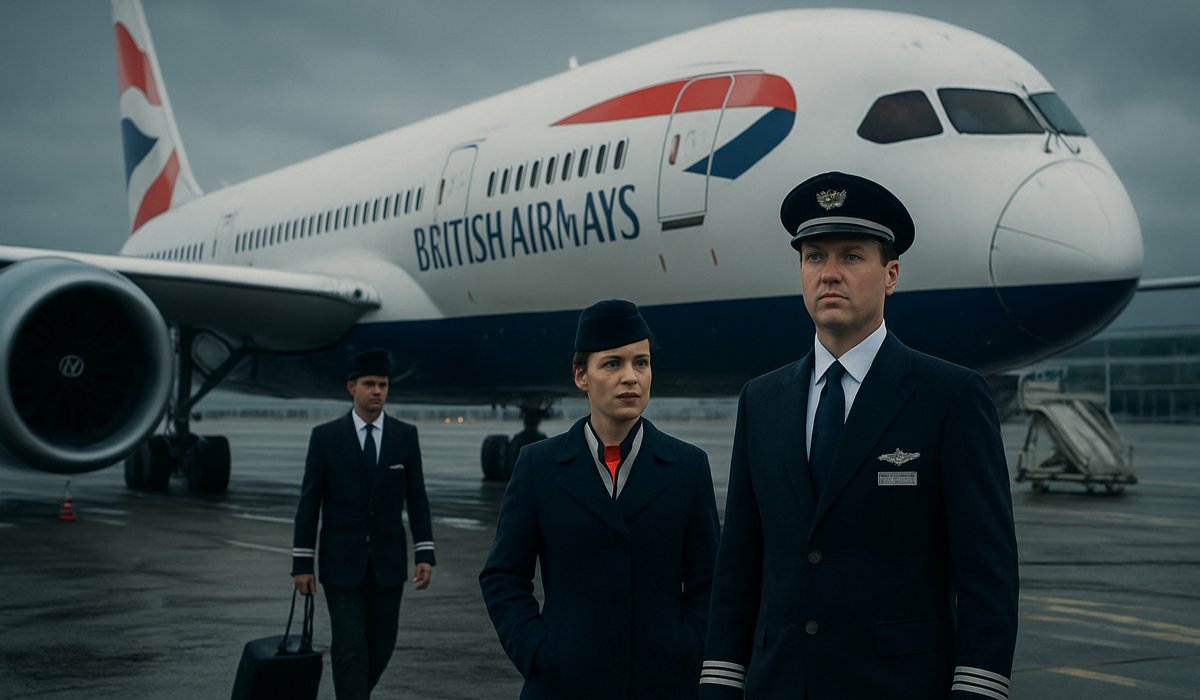
Image generated by AI
British Airways Stranded Passengers on Freezing Canadian Island for Days: Full Details
What Happened
British Airways passengers endured a multi-day ordeal after their aircraft was diverted to a remote Canadian island, leaving travelers stranded in freezing conditions without adequate shelter or supplies. The incident has sparked criticism over the airline's crisis management and passenger care procedures during an unexpected operational disruption.
Key Details
The BA flight was forced to divert from its intended destination due to severe weather conditions, landing on a sparsely populated Canadian island with minimal airport infrastructure. Passengers remained grounded for several days while the airline coordinated recovery flights and ground support. Temperatures dropped significantly below freezing during the stranding period, and initial accommodations fell short of industry standards for passenger welfare during extended diversions.
The exact flight number, passenger count, and specific island location reveal the scale of this operational failure—affecting dozens of travelers on what should have been a routine transatlantic service. BA's initial response included limited communication with stranded passengers and delayed arrangements for alternative transportation.
Passenger Impact
Travelers reported conditions ranging from uncomfortable to distressing, with families with children, elderly passengers, and those with medical conditions facing particular hardship. Multiple passengers described inadequate heating, insufficient food provisions, and uncertainty about recovery timelines. Many missed critical connections, business meetings, and family events, with some passengers out of pocket for emergency accommodations and supplies.
Psychological impact cannot be overlooked—passengers experienced stress, anxiety, and frustration compounded by perceived indifference from airline representatives. Social media documented the experience in real-time, amplifying the reputational damage.
Airline Statement
British Airways issued a statement acknowledging the disruption and stating the diversion was necessary for passenger safety given prevailing weather conditions. The airline emphasized its commitment to passenger welfare and outlined compensation procedures in accordance with UK and EU flight delay regulations. BA indicated it would review its crisis management protocols and remote airport procedures.
However, the airline's response time and initial support measures drew continued criticism from passenger advocates and industry observers who questioned whether pre-positioned contingency plans were adequate.
Why This Matters
This incident underscores critical gaps in aviation industry protocols for managing unexpected diversions to remote locations. Airlines must balance immediate safety decisions with rapid passenger care coordination—a challenge intensified by climate change increasing severe weather events and diversions.
From a regulatory perspective, this case raises questions about:
- Minimum standards for remote airport facilities
- Mandatory airline contingency planning for diversion scenarios
- Compensation adequacy under current EU261 and UK regulations
- Airline accountability for extended passenger welfare situations
The incident impacts BA's operational reputation, customer loyalty, and competitive positioning during an industry recovery period. It also serves as a benchmark for other carriers' crisis preparedness.
What Travelers Should Do
Immediate steps for passengers on delayed/diverted flights:
- Document everything — photograph conditions, record times, save all communications with airline staff
- Request written confirmation of the disruption cause and expected resolution timeline
- Know your rights — EU261 and UK flight delay regulations entitle passengers to compensation (€250-€600 depending on flight distance)
- Keep receipts for emergency purchases (food, accommodation, supplies) incurred during the stranding
- Report to regulators — file complaints with national aviation authorities (UK CAA in this case) if you believe passenger care obligations were breached
- Consult legal guidance — passenger rights organizations and aviation lawyers can help recover compensation
- File insurance claims — travel insurance policies may cover costs beyond airline compensation
For future bookings:
- Consider purchasing robust travel insurance covering airline disruptions
- Select airlines with transparent passenger care policies
- Check flight diversity and alternative routing options on your booking
- Verify airline contingency plans for remote airport operations
FAQ: British Airways Stranding & Passenger Rights
Q: What compensation am I entitled to for a multi-day flight diversion?
A: Under EU261 regulations (and equivalent UK law post-Brexit), passengers on diverted flights qualify for €250 (short-haul), €400 (medium-haul), or €600 (long-haul) compensation, plus reimbursement for necessary expenses incurred during the stranding. Additional compensation may apply depending on the specific circumstances and whether negligence is established.
Q: Is the airline required to provide food, accommodation, and communication during a stranding?
A: Yes. Airlines operating under UK/EU regulations must provide adequate meals, accommodation (if necessary), communication facilities, and care for passengers during diversions exceeding certain durations. Failing to meet these obligations creates additional liability beyond standard delay compensation.
Q: Can I claim compensation if the diversion was due to bad weather?
A: This is complex. Bad weather is generally classified as an "extraordinary circumstance" that may exempt airlines from compensation under EU261—however, if the airline failed to provide adequate passenger care during the weather event, separate liability claims apply. Each case depends on specific facts and how the airline responded.
Q: How long does it take to receive compensation from British Airways?
A: BA typically responds to compensation claims within 4-8 weeks. If they reject your claim, you can escalate to the Civil Aviation Authority (CAA) or pursue small claims court action. Using a passenger rights service can accelerate the process, though they typically take a 25-30% commission.
Q: What should I do if BA denies my compensation claim?
A: Request a written explanation for the denial. Review their justification against EU261 requirements and UK Civil Aviation Authority guidelines. File a formal complaint with the CAA (free service) or engage a passenger rights claims company. Documentation from your stranding (photos, witness accounts, receipts) strengthens your case significantly.
Related Travel Guides
Flight Delay Compensation Guide 2026
Understanding Airline Route Changes
Airport Security Process Updated (2026)
External Resources
Disclaimer
This article is for informational and educational purposes only. It does not constitute legal, financial, or professional advice. While we strive to provide accurate and up-to-date information, travel policies, regulations, and conditions change rapidly. Always verify information with official sources before making travel decisions. Nomad Lawyer makes no representations about the accuracy, reliability, completeness, or suitability of the information provided. Readers should consult qualified professionals for advice specific to their circumstances. The views expressed in this article are those of the author and do not necessarily reflect the views of Nomad Lawyer.
Kunal K Choudhary
Co-Founder & Contributor
A passionate traveller and tech enthusiast. Kunal contributes to the vision and growth of Nomad Lawyer, bringing fresh perspectives and driving the community forward.
Learn more about our team →