
Brisbane Luxury Hotel Capacity Expands Ahead of 2032 Olympics
Brisbane is expanding its luxury hotel inventory through the new Alva Hotel and the $3.6 billion Queen's Wharf resort development.

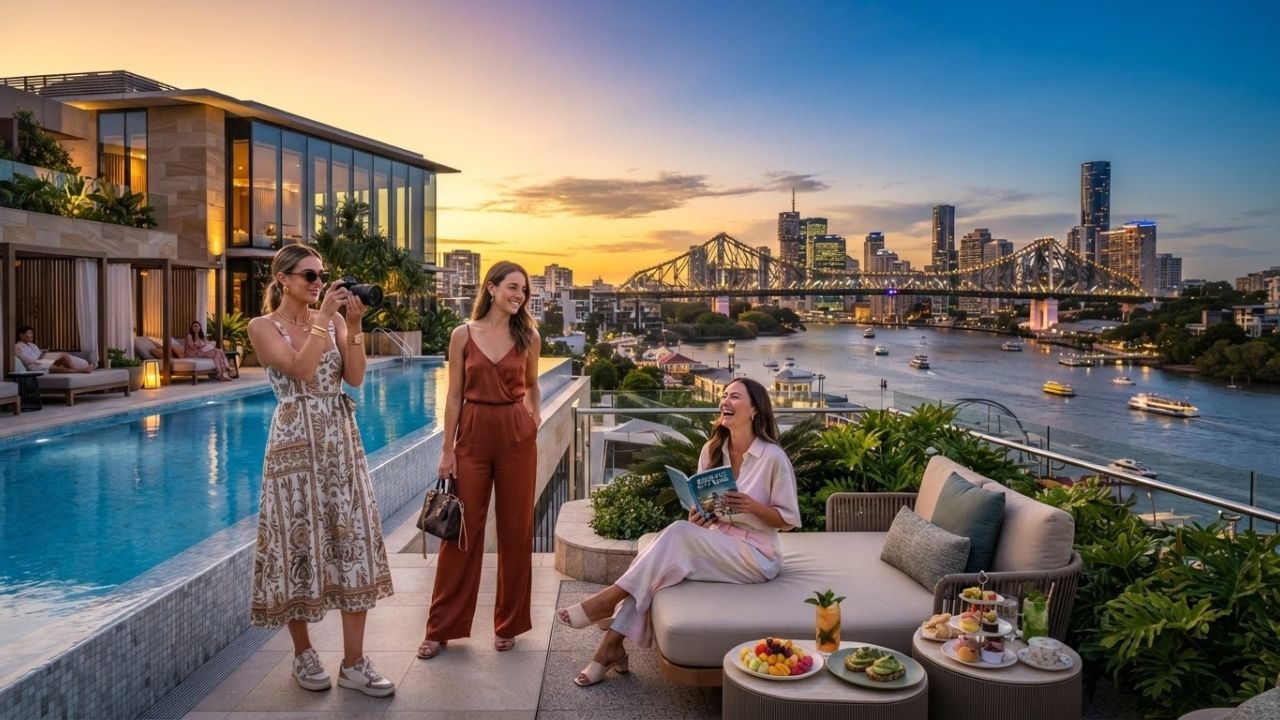
Image generated by AI
Standfirst: Brisbane's luxury hospitality sector is entering a major expansion ahead of the 2032 Olympics, driven by the $3.6 billion Queen's Wharf resort development and the new Alva Hotel. This massive tourist influx concentrates arrivals at Brisbane Airport, highlighting the need for travelers to understand Australian Consumer Law flight rights and luggage delay rules.
Brisbane Luxury Hotel Capacity Expands Ahead of 2032 Olympics
Our analysis of Australian hospitality investments indicates that Brisbane is undergoing a significant transformation in premium lodging capacity. The Alva Hotel Brisbane, Vignette Collection by IHG, has opened in Fortitude Valley, representing a repositioning of the former Hotel X. This design-led lifestyle property features the Iris Rooftop Bar and contemporary French dining at Bisou Bisou, catering to a growing demand for locally connected urban retreats.
Simultaneously, the central business district is expanding its capacity through the $3.6 billion Queen's Wharf integrated resort development by the Destination Brisbane Consortium. The riverfront project addresses Brisbane's historical shortage of luxury rooms, introducing The Star Grand Brisbane with approximately 340 rooms and suites, alongside the planned upper-upscale Dorsett Brisbane and ultra-luxury Rosewood Brisbane. This massive infrastructure rollout is designed to attract international conventions, high-value business tourism, and leisure travel ahead of the 2032 Olympic and Paralympic Games.
Regional Airport and Urban Transit Impact
The hotel developments are concentrating visitor volumes across Brisbane's primary transport points:
- Brisbane Airport (BNE): The gateway handles elevated domestic and transpacific flight traffic, driven by leisure and event travel.
- Fortitude Valley Entertainment Corridors: Arterial routes near the new Alva Hotel experience higher weekend vehicle traffic.
- CBD Riverfront Precincts: The $3.6 billion Queen's Wharf development increases pedestrian volumes along central boardwalks.
- Convention Transit Shuttles: Local taxi and hotel transport services manage higher passenger demand to business districts.
Passenger Rights & Advisory (Information Gain & Experience)
For travelers booking luxury itineraries to Queensland, coordinating flight delays with hotel check-in timelines is vital. Our analysis of passenger guidelines suggests travelers verify their protections under official frameworks:
- Australian Consumer Law (ACL) Guarantees: Under ACL rules, airlines operating within or to Australia must provide a remedy (rebooking or refund) if a flight is delayed or cancelled due to controllable operational issues. Passengers are entitled to a full refund if a replacement flight cannot be provided within a reasonable timeframe, regardless of ticket class.
- US DOT Transpacific Cancellation Refunds: Under U.S. Department of Transportation (DOT) guidelines, if your transpacific flight to Brisbane involves a U.S. carrier and is cancelled, you have the right to a full cash refund of your ticket if you decline the rebooking.
- Hotel Check-In Protection Advice: Airlines are not liable for missed hotel night costs due to delayed flights (consequential damage). Travelers should notify properties like The Star Grand immediately to protect their booking and check if their travel insurance covers missed lodging nights.
Industry Analyst View
The expansion of Brisbane's hotel inventory shows that the city is transitioning from a regional transit gateway into a world-class tourism destination. By integrating heritage preservation with modern luxury resorts like Queen's Wharf, local planners can attract high-yield corporate and leisure markets away from Sydney and Melbourne.
In addition, the introduction of specialized lifestyle properties like The Alva strengthens the city's appeal among younger, design-focused travelers. To support this growth, transport authorities must invest in regional rail links and public ferry infrastructure to connect the airport with riverside entertainment zones. This transit coordination remains vital to prevent congestion and deliver a reliable visitor experience as the 2032 Olympics approach.
Related Travel Guides
Disclaimer
This article is for informational and educational purposes only. It does not constitute legal, financial, or professional advice. While we strive to provide accurate and up-to-date information, travel policies, regulations, and conditions change rapidly. Always verify information with official sources before making travel decisions. Nomad Lawyer makes no representations about the accuracy, reliability, completeness, or suitability of the information provided. Readers should consult qualified professionals for advice specific to their circumstances. The views expressed in this article are those of the author and do not necessarily reflect the views of Nomad Lawyer.
Kunal K Choudhary
Co-Founder & Contributor
A passionate traveller and tech enthusiast. Kunal contributes to the vision and growth of Nomad Lawyer, bringing fresh perspectives and driving the community forward.
Learn more about our team →