
Brazil Travel Advisory: Canada Issues Security Warning and US Suspends Consular Services Ahead of October 2026 Elections

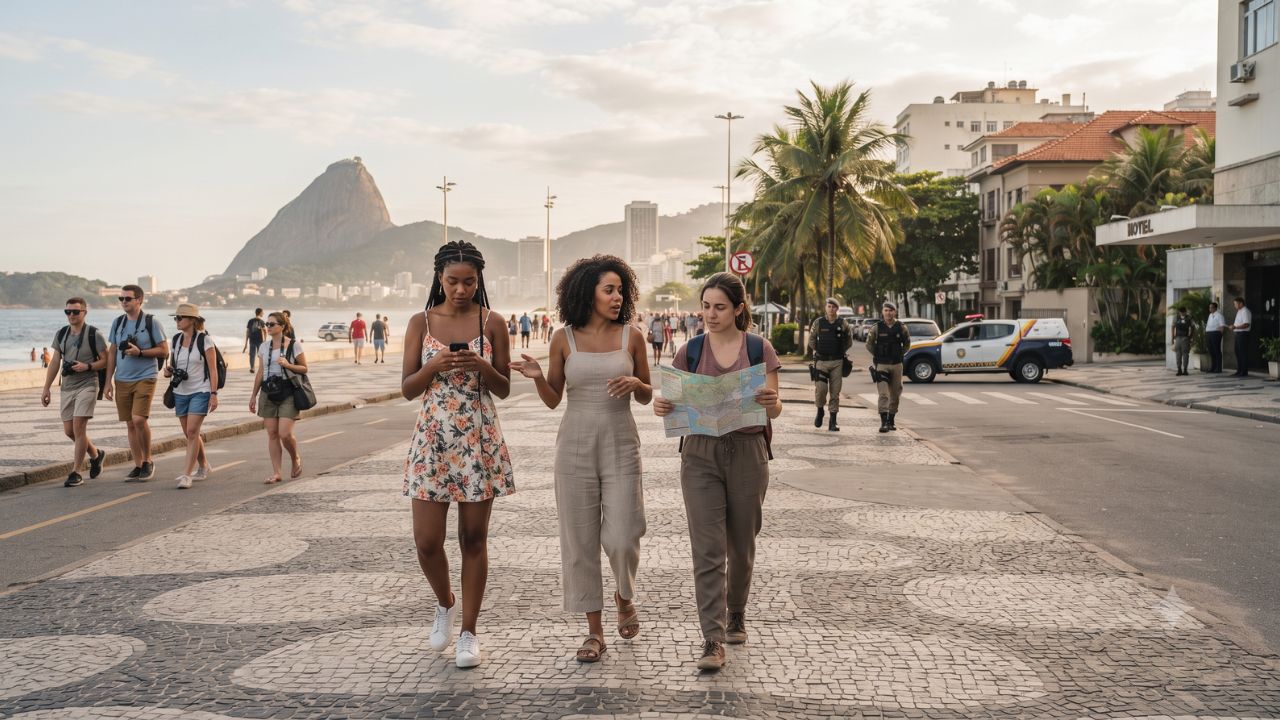
Few international travelers realize that standard GPS navigation applications in Rio de Janeiro can inadvertently route rental cars straight through gang-controlled territory like Complexo da Maré or Complexo da Penha, where foreign governments currently enforce an absolute avoid-all-travel advisory. As Brazil heads into its general election on 4 October 2026 (with a potential runoff on 25 October), the Government of Canada and the United States diplomatic mission have escalated their official travel security advisories.
The security alert follows the emergency decision by the United States Mission in Brazil to suspend routine consular services across its embassy in Brasília and regional consulates beginning Friday, 2 October 2026. American citizens requiring urgent assistance have been instructed not to travel in person to diplomatic compounds, but instead to contact designated consular duty officers. While Brazil's international airports and tourist districts remain fully operational, independent visitors, digital nomads, and eco-tourists must exercise heightened awareness when traveling through major urban centers and remote border corridors.
Detailed Security Breakdown and High-Risk Geographic Zones
The updated advisory framework differentiates between baseline urban precautions and strict non-essential travel prohibitions across specific frontiers:
International Border Exclusion Corridors
Global Affairs Canada advises against all non-essential travel within designated border zones shared with Bolivia, Colombia, French Guiana, Guyana, Paraguay, Peru, Suriname, and Venezuela. These porous jungle and riverine borders face elevated risks from organized transnational narcotics trafficking, illicit arms transfers, and unsanctioned paramilitary movements.
Rio de Janeiro: Route Planning and Community Precautions
In Rio de Janeiro, foreign authorities maintain strict avoid-all-travel advisories for Complexo da Maré and Complexo da Penha due to frequent armed confrontations and limited access for emergency medical services. Tourists are cautioned against relying uncritically on automated smartphone navigation, which often calculates the shortest physical route through informal settlements (favelas). High vigilance is also urged in popular tourism quarters including Copacabana beach, the nightlife district of Lapa, and the hillside streets of Santa Teresa.
São Paulo and Regional Metropolitan Centers
In São Paulo, elevated rates of opportunist pickpocketing, armed muggings, and motorcycle-borne drive-by phone thefts are concentrated near Praça da Sé (São Paulo Cathedral), Avenida Paulista, the historic downtown core, the Municipal Market (Mercadão), Pinacoteca, Princess Isabel Square, and around Luz rail station. Other provincial capitals under elevated security monitoring include Belém, Fortaleza, Manaus, Recife, and Salvador.
Brazil Travel Security and Operational Advisory Snapshot
The following table summarizes core regional risks, consular directives, and protective protocols active across Brazil:
| Risk Category | Regional Focus / Target Area | Official Directive | Recommended Traveler Protocol |
|---|---|---|---|
| National Security Level | Nationwide across all states | High Degree of Caution | Avoid political rallies; secure travel documents |
| US Consular Operations | Embassy Brasília & All Consulates | Services Suspended (from 2 Oct) | Contact emergency duty officer; do not visit missions |
| General Election 2026 | First Round: 4 Oct / Runoff: 25 Oct | Anticipate Transit Disruptions | Allow 2x transit time for airport & bus connections |
| International Borders | Boundaries with 8 Neighboring States | Avoid Non-Essential Travel | Stick strictly to regulated international border posts |
| Rio High-Risk Zones | Complexo da Maré & Complexo da Penha | Avoid All Travel | Disable generic GPS shortcuts; consult local hotels |
| Urban Armed Robbery | São Paulo, Rio, Salvador, Recife | High Vigilance (Arrastões) | Do not resist muggings; avoid wearing luxury jewelry |
| Digital & Card Fraud | POS terminals, ATMs, Public Wi-Fi | Financial Risk Mitigation | Shield PIN pads; use ATMs inside secure bank branches |
What Sets Brazil's Urban Dynamics Apart
Brazil's cultural energy is legendary, but the proximity of affluent beachfront corridors to steep, self-governed communities requires an understanding of localized social geography. In Rio de Janeiro and Salvador, world-class restaurants, historic colonial plazas, and Atlantic rainforest reserves sit just blocks away from areas subject to rapid security operations.
During major civic moments such as nationwide elections, street rallies (comícios) can form spontaneously around central avenues, disrupting municipal bus lines, metro stations, and highway access to international airports like Rio's Galeão (GIG) or São Paulo's Guarulhos (GRU). The phenomenon of arrastões (coordinated group thefts on crowded beaches or traffic jams) highlights why experienced travelers never display high-end cameras or smartphones openly in public spaces.
Visitor Insider Tips for Safe Exploration
Navigating Brazil's major cities safely is entirely manageable with disciplined local street sense:
- GPS Navigation and Transport Safety: When driving rental cars or riding in taxis, avoid taking side alleys off major expressways like Linha Vermelha or Linha Amarela in Rio. Always use licensed ride-hailing apps (Uber, 99) rather than hailing unmarked street cabs, especially when leaving nightlife spots in Lapa or Savassi.
- Handling Electronics and Wealth Displays: Never walk down public streets or stand at outdoor cafe tables holding your smartphone out for navigation or photography. Step inside a shop or hotel lobby before checking maps. Leave luxury wristwatches, gold chains, and designer bags in your hotel room safe.
- Card Payment and ATM Security: When paying at restaurants or beach kiosks, insist that the portable card terminal is brought directly to your table, and verify the displayed currency amount in Brazilian Reais (BRL) before tapping or entering your PIN. Use automated teller machines located inside well-lit, security-guarded bank branches (such as Banco do Brasil or Itaú) rather than standalone machines on the street. Official tourism guidelines can be consulted via Embratur / Visit Brasil.
- In the Event of a Robbery: If confronted by an armed individual or group, immediately hand over your valuables without hesitation or sudden physical movements. Never attempt to argue, chase, or resist attackers.
Cultural Heritage and Responsible Coastal Tourism
Beyond security headlines, Brazil boasts extraordinary cultural institutions and ecological reserves. From the historic colonial centers of Salvador da Bahia and Ouro Preto to the Carioca landscapes between the mountains and the sea in Rio de Janeiro—all designated as UNESCO World Heritage Sites—preserving local heritage depends on sustainable visitor engagement.
Travelers who patronize verified social enterprise walking tours, purchase authentic handicrafts directly from Afro-Brazilian artisan collectives, and respect protected environmental zones in the Pantanal and Atlantic Forest help inject vital economic support into local communities, reinforcing community resilience during complex economic and political periods.
FAQ: Visiting Brazil During Election Season 2026
Is Brazil currently closed to international tourists?
No. Brazil's international airports, hotels, and tourist attractions remain open. However, travelers are advised to exercise a high degree of caution and avoid large political gatherings.
Why did the US Embassy suspend routine consular services?
The US Mission in Brazil temporarily suspended routine consular access starting 2 October 2026 due to localized security considerations surrounding the general election period.
How can I avoid accidentally driving into high-risk favelas in Rio?
Ask your hotel concierge for vetted driving routes, stick exclusively to major coastal avenues (Avenida Atlântica, Niemeyer), and avoid unverified GPS shortcuts through steep mountain passes.
When are the voting rounds for the 2026 Brazilian general election?
The first round of voting takes place on Sunday, 4 October 2026, with a potential second round on 25 October 2026.
From the sun-drenched sands of Ipanema to the historic stone arches of Lapa, smart preparation and situational awareness ensure Brazil's captivating culture remains a joy to experience.
Related Travel Guides
Disclaimer
This article is for informational and educational purposes only. It does not constitute legal, financial, or professional advice. While we strive to provide accurate and up-to-date information, travel policies, regulations, and conditions change rapidly. Always verify information with official sources before making travel decisions. Nomad Lawyer makes no representations about the accuracy, reliability, completeness, or suitability of the information provided. Readers should consult qualified professionals for advice specific to their circumstances. The views expressed in this article are those of the author and do not necessarily reflect the views of Nomad Lawyer.
Raushan Kumar
Founder & Lead Developer
Full-stack developer with 11+ years of experience and a passionate traveller. Raushan built Nomad Lawyer from the ground up with a vision to create the best travel and law experience on the web.
Learn more about our team →