
Brazil Flight Disruptions Mount at São Paulo–Guarulhos in May 2026
São Paulo–Guarulhos International Airport experienced 141 delayed flights and six cancellations on May 8, 2026, disrupting Brazil's domestic network and exposing systemic vulnerabilities in the country's single-hub aviation structure.

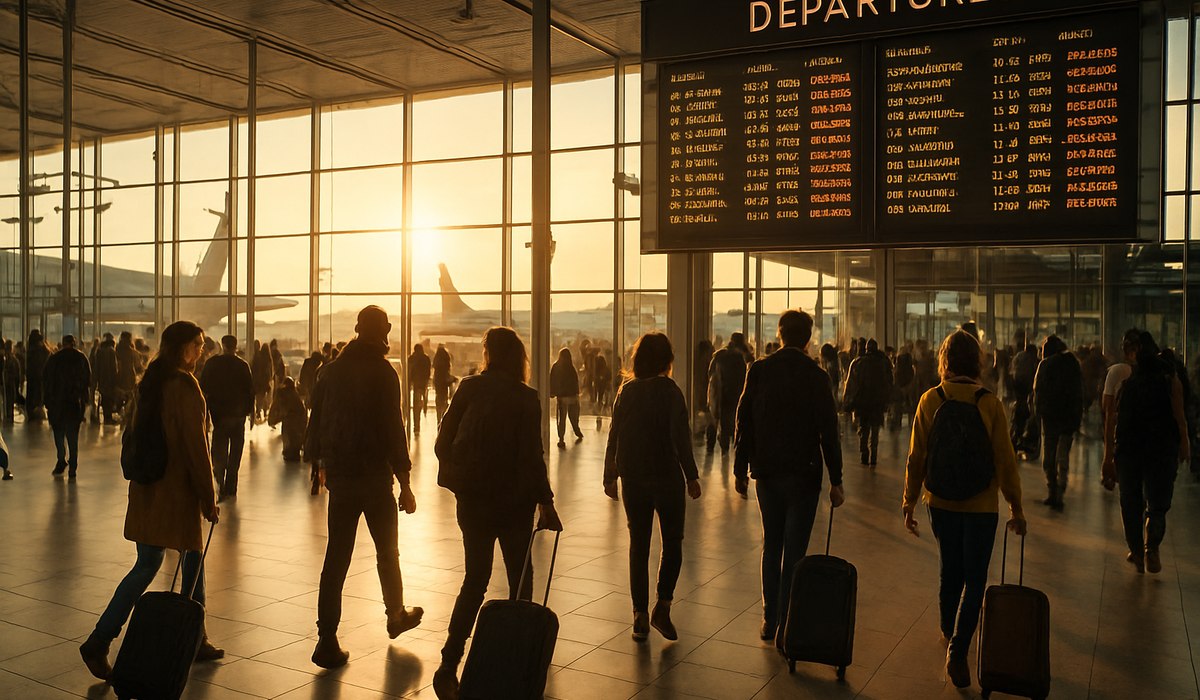
Image generated by AI
São Paulo–Guarulhos Grinds Under Fresh Operational Strain
São Paulo–Guarulhos International Airport faced another significant operational crisis on May 8, 2026, with 141 delayed departures and six flight cancellations cascading across Brazil's domestic network. The disruption rippled through critical air corridors connecting Rio de Janeiro, Recife, Curitiba, and northeastern destinations, stranding thousands of passengers and exposing the fragility of relying on a single megahub. Major carriers including LATAM Brasil, GOL, and American Airlines absorbed the impact as aircraft fell out of position and crew schedules fractured, leaving travelers facing missed connections, last-minute rebookings, and extended terminal waits.
Wide Ripple Effects Across Brazil's Busiest Hub
Brazil's aviation network relies disproportionately on São Paulo–Guarulhos as its primary international gateway and domestic distribution center. When disruptions occur at this single megahub, they multiply exponentially across the entire system. The May 8 incident revealed how vulnerable this concentrated infrastructure remains.
Flight tracking data and operational reports confirmed that both peak domestic trunk routes and select international services suffered cascading delays. Morning banks of departures toward Rio de Janeiro and Brazil's southern region were followed by afternoon disruption on northeastern services, preventing carriers from recovering momentum. Travelers connecting through São Paulo to regional capitals encountered the compounding effects: missed connections, fragmented itineraries, and stranded baggage.
Consumer advisory platforms have repeatedly flagged Guarulhos as a disruption hotspot when weather, technical constraints, or staffing challenges intersect with heavy traffic loads. The concentration of departures during narrow time windows means that even minor operational hiccups trigger system-wide delays affecting hundreds of flights daily. Check FlightAware for real-time tracking during disruptions at Brazilian airports.
Morning and Afternoon Disruption Compounds Recovery Challenges
The timing of this particular disruption across two distinct operational periods prevented normal recovery cycles. Morning delays to Rio de Janeiro, Curitiba, and southern destinations created a cascading effect that persisted into afternoon operations.
Aircraft and crews assigned to afternoon rotations inherited the compounded delays, triggering secondary cancellations and further schedule compression. This domino effect is characteristic of hub-dependent networks where aircraft utilization depends on precise turnaround timing. When morning flights depart late, afternoon rotations cannot recover lost time—they simply propagate delays forward.
International connections suffered particularly acute impacts. Passengers booked on transcontinental services to the United States found their equipment arriving hours behind schedule, forcing gate reassignments and pushing departure times into evening. The fragmentation of scheduled banks meant that connection opportunities narrowed dangerously, converting what might have been recoverable delays into missed flights for downstream passengers.
LATAM Brasil, GOL, American And Others Caught In The Turbulence
Brazil's leading carriers bore the brunt of the operational crisis. LATAM Brasil and GOL, which operate extensive domestic and regional networks from Guarulhos, saw substantial portions of their daily rotations affected as aircraft and crews fell out of position simultaneously.
LATAM Brasil operates roughly 40% of domestic departures from Guarulhos, making it the primary victim of hub disruptions. When LATAM flights stack up at gates awaiting pushback, crew duty times extend beyond regulatory limits, forcing the airline to cancel subsequent services. GOL, the second-largest domestic operator at the airport, experienced identical cascading effects across its network.
American Airlines experienced delays to transcontinental services as arriving aircraft waited for gates and connecting passenger flows to stabilize. The airline's three daily São Paulo–New York flights typically feed significant onward connections; delays at Guarulhos translate directly into downstream disruption in the United States. Other foreign carriers relying on Brazilian partners for domestic feed also faced schedule adjustments when shared-code flights operated by LATAM Brasil and GOL departed behind time.
Recent coverage confirms that LATAM, GOL, and Azul have navigated multiple disruption episodes since early 2026. Guarulhos has featured prominently in statistics tallying dozens of delayed movements within single operational windows, highlighting systemic vulnerabilities rather than isolated incidents.
Key Domestic Corridors Strained Under Network Dependency
The affected routes in the May 8 episode underscore Brazil's dependency on Guarulhos for north–south connectivity. The São Paulo–Rio de Janeiro corridor, with shuttle-style frequency approaching 30+ daily flights, experienced multiple delays affecting both Santos Dumont and Galeão airports.
Services from Guarulhos to Recife and other northeastern gateways registered significant schedule slippage. These routes feed critical tourism flows from Europe and North America to Brazil's northeastern coast; extended delays at São Paulo cascade into missed hotel check-ins and rearranged ground transport arrangements. Passengers booked on international–domestic connecting itineraries found their carefully sequenced plans dissolved within hours.
Curitiba and southern destinations likewise absorbed the disruption. Routes from São Paulo to Porto Alegre, Brasília, and secondary cities operate on frequency models assuming reliable turnaround capability at Guarulhos. When aircraft delays stretch beyond 90 minutes, subsequent rotations cannot recover, forcing cancellations on routes with lower profit margins.
Systemic Vulnerabilities at Brazil's Single Megahub
Brazil's concentration of international and domestic traffic at a single airport creates inherent network fragility. Guarulhos handles approximately 50% of Brazil's long-haul international capacity and roughly 35% of domestic movements. No other Brazilian airport possesses comparable international infrastructure or capacity to absorb displaced traffic.
Compare this to major aviation markets like the United States, where multiple hubs (Atlanta, Chicago, Dallas, Los Angeles, New York) distribute traffic across the network. A disruption at any single U.S. hub affects roughly 15–20% of national traffic. A comparable disruption at Guarulhos affects 35–50% of Brazilian air traffic within hours.
Investment in secondary international gateways—such as enhanced international facilities at Rio de Janeiro, Belo Horizonte, or Brasília—would reduce vulnerability. However, such development requires substantial capital expenditure and regulatory coordination that Brazilian aviation authorities have not prioritized.
The FAA monitors international aviation infrastructure stability through formal liaison agreements; you can review U.S. aviation system standards at the FAA website for comparative perspective on network resilience.
| Metric | May 8, 2026 Event | Typical Daily Guarulhos |
|---|---|---|
| Delayed Departures | 141 flights | 15–25 flights |
| Cancelled Flights | 6 services | 1–3 services |
| Affected Passengers (Est.) | 18,000–22,000 | 2,000–3,500 |
| Duration | 12+ hours | Ongoing recovery |
| Primary Routes Impacted | Rio, Recife, Curitiba, Northeast | System-wide |
| Airlines Affected | LATAM Brasil, GOL, American, Others | Multiple carriers |
What This Means for Travelers
Brazil's persistent vulnerability to single-hub disruptions creates real operational risk for international and domestic passengers. Understanding your rights and preparation strategies minimizes disruption impact.
Traveler Action Checklist:
-
Book with airline flexibility. When traveling through Brazil, select fares permitting free rebooking on alternate dates without additional charges. Low-cost carrier tickets often restrict rebooking, creating financial penalties during disruptions.
-
Build buffer time into connections. Minimum 90-minute connection windows at Guarulhos are insufficient during peak periods. Target 120–150 minute windows when feasible, particularly on long-haul connections.
-
**Monitor real-time performance before arrival
Disclaimer
This article is for informational and educational purposes only. It does not constitute legal, financial, or professional advice. While we strive to provide accurate and up-to-date information, travel policies, regulations, and conditions change rapidly. Always verify information with official sources before making travel decisions. Nomad Lawyer makes no representations about the accuracy, reliability, completeness, or suitability of the information provided. Readers should consult qualified professionals for advice specific to their circumstances. The views expressed in this article are those of the author and do not necessarily reflect the views of Nomad Lawyer.
Preeti Gunjan
Contributor & Community Manager
A passionate traveller and community builder. Preeti helps grow the Nomad Lawyer community, fostering engagement and bringing the reader experience to life.
Learn more about our team →