
Boutique Hotels What Luxury Travelers Actually Want in 2026
A new design-first platform challenges Airbnb's growth model in 2026, offering curated boutique homes over massive inventory. Discerning travelers choose quality and authenticity.

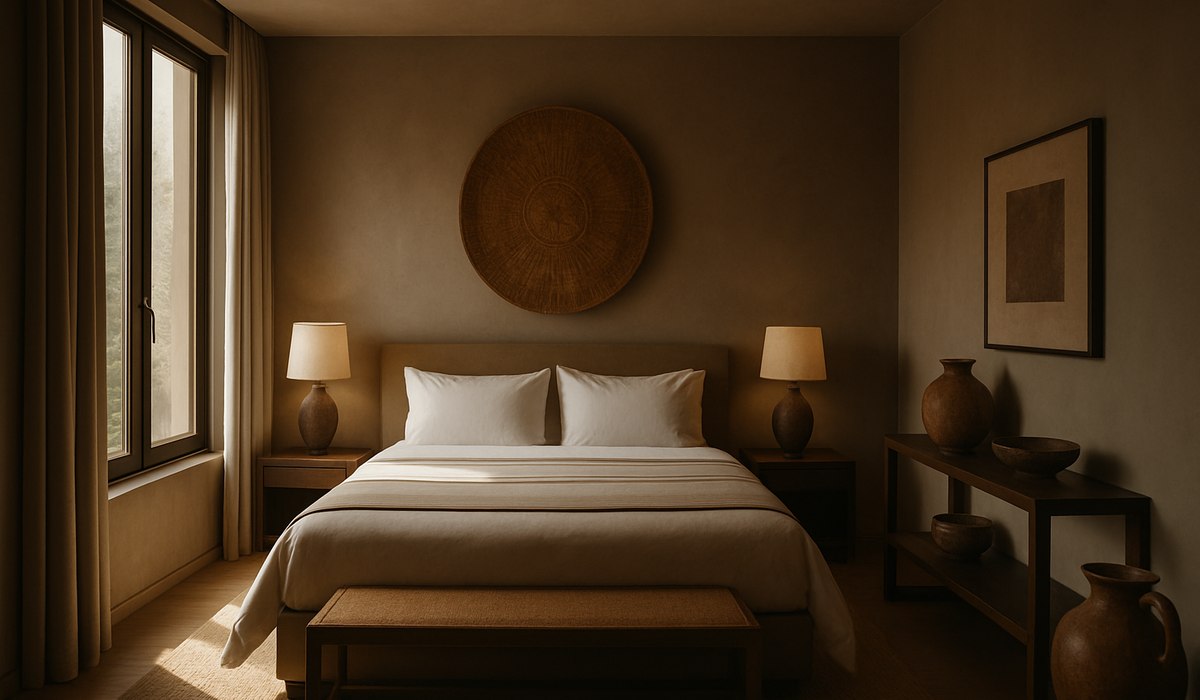
Image generated by AI
The Anti-Airbnb Manifesto: Design Over Scale
A new boutique hospitality platform is fundamentally reimagining short-term rentals by rejecting the growth-at-all-costs philosophy that defined Airbnb's expansion. Founded on the principle that boutique hotels what travelers truly value isn't endless options but rather carefully curated, architecturally significant homes, this platform represents a philosophical pivot in the sharing economy.
The founder's vision directly challenges the assumption that bigger always means better. Rather than maximizing listings across every market, the approach prioritizes intentional curation. Each property undergoes rigorous design evaluation, ensuring homes reflect authentic character, local context, and sophisticated aesthetics. This methodology resonates with affluent travelers fatigued by generic rentals and mass-market hospitality.
The platform's selective approach stands in stark contrast to Airbnb's current model, which privileges volume over vetting. By maintaining fewer properties, the company can invest deeper resources into each listing's experience quality, guest relations, and host partnerships. This strategy addresses a growing consumer segment willing to pay premium rates for guaranteed excellence and distinctive design narratives.
Why Boutique Curation Matters for Discerning Travelers
Design-conscious travelers increasingly recognize what boutique hotels what they're seeking: experiences that reflect personal taste rather than algorithmic recommendations. Curated platforms eliminate decision paralysis by presenting pre-vetted homes that meet elevated aesthetic and hospitality standards.
Boutique hotels what differentiate premium travel experiences include thoughtful interior design, locally sourced furnishings, architectural significance, and host expertise. When travelers used to rely exclusively on Airbnb, they invested significant time filtering thousands of listings. Today's alternative platforms compress this selection process by pre-filtering inventory through design credentials.
The psychology behind this shift reflects broader consumer trends toward conscious consumption. Affluent travelers increasingly prioritize authenticity, sustainability, and cultural immersion over convenience alone. They want fewer homes representing greater quality—boutique hotels what genuinely enhance their travel narratives rather than merely providing shelter.
Properties on design-focused platforms typically feature original artwork, curated libraries, artisanal kitchens, and spaces that communicate the host's personality. This contrasts sharply with standardized Airbnb properties featuring mass-produced furnishings and generic décor schemes used across multiple markets.
The Growth Question: Can Quality Survive Expansion?
The fundamental tension facing any boutique hotel platform centers on scalability without compromising core values. The most pressing question: can deliberate curation survive rapid growth demands?
History suggests tension between quality maintenance and investor expectations. When startups accept venture capital, pressure intensifies to demonstrate exponential user acquisition and revenue growth. A business model predicated on scarcity and selectivity inherently conflicts with venture-backed growth targets.
The platform's sustainability depends on founder conviction and capital structure choices. By remaining selective about expansion geography and property acquisition, the company could maintain design integrity while building a profitable, sustainable business. However, this approach requires rejecting traditional venture capital models favoring aggressive growth metrics.
Early data suggests consumers actively support this counterintuitive strategy. Travelers used to inferior Airbnb experiences express willingness to pay premium rates for guaranteed quality. If the platform can monetize this preference effectively—through higher nightly rates and improved operational margins—growth becomes possible without sacrificing curation standards.
The risk remains substantial. Investor pressure, competitive threats, and scaling infrastructure all present obstacles to maintaining the original vision. Yet the market opportunity for affluent, design-conscious travelers represents a viable alternative to Airbnb's democratized approach.
What This Means for the Hospitality Industry
This boutique platform emergence signals meaningful shifts within accommodations markets. Traditional hotel chains, Airbnb, and alternative platforms must contend with a growing consumer preference for curated experiences over commodity options.
Legacy hotels increasingly compete on standardization and brand consistency—advantages when travelers value predictability. Yet boutique platforms offer something mass hospitality cannot: authentic uniqueness and design-driven experiences. This competitive dynamic will likely accelerate hotel differentiation strategies.
Airbnb faces particular pressure as its inventory quality dilutes with scale. The company's 2026 position differs markedly from its 2010-2015 era when scarcity enhanced mystique. Today's oversaturated listings in major markets have commodified short-term rentals, reducing the platform's differentiation advantage. Boutique competitors directly address this weakness.
For independent hosts, this environment creates opportunity. Rather than competing on Airbnb's crowded marketplace, hosts with genuinely distinctive properties can migrate to specialized platforms offering better discovery mechanisms and higher nightly rates. This represents a meaningful value proposition inversion—fewer, better-compensated hosts replace numerous, undercompensated ones.
The broader implication: hospitality's future likely includes increased segmentation. Mass-market platforms serving price-conscious travelers coexist alongside specialty platforms serving affluent, taste-driven consumers. This fragmentation reflects broader consumer behavior where affluence increasingly purchases exclusivity over abundance.
What Guests Get
When booking through design-curated platforms, travelers receive several distinct advantages unavailable through traditional Airbnb experiences:
Verified Design Quality: Every property meets specific architectural and aesthetic standards established by design professionals. No surprises awaiting arrival—what appears on-screen matches reality because design credentials preceded listing approval.
Host Expertise and Context: Boutique platforms typically partner with hosts possessing genuine hospitality experience and deep local knowledge. Rather than occasional renters treating properties as income streams, hosts function as travel concierges offering curated recommendations and authentic cultural insight.
Premium Amenities and Furnishings: Curated properties feature higher-end kitchens, original artwork, designer furnishings, and thoughtful details reflecting the host's personal aesthetic vision. These elements transform accommodations from functional spaces into experience-enhancing environments.
Personalized Service: Smaller platforms enable individualized attention—hosts respond promptly to requests, provide arrival day coordination, and remain accessible throughout stays. This service level approaches luxury hotel standards while maintaining authentic, personal engagement.
Exclusive Access: Properties on boutique platforms remain inherently limited. This scarcity ensures guests experience less crowding, more neighborhood authenticity, and genuine local discovery rather than tourist-heavy locations saturated with short-term rentals.
Curated Neighborhood Experiences: Hosts on specialized platforms typically provide neighborhood guides reflecting personal familiarity—favorite restaurants, hidden galleries, independent shops—rather than generic tourist recommendations.
| Feature Comparison | Boutique Platform | Airbnb | Traditional Hotels |
|---|---|---|---|
| Average Properties per Market | 50-200 | 50,000+ | 20-50 |
| Design Vetting Process | Rigorous (Designer-Led) | Minimal (Host Self-Report) | Brand Standards |
| Average Nightly Rate | $250-$500 | $80-$200 | $150-$300 |
| Host Expertise Level | Hospitality Professionals | Mixed (Casual to Professional) | Trained Staff |
| Personalization | High (Individual Hosts) | Variable (Algorithm-Driven) | Standardized (Brand Protocol) |
| Property Availability | Limited (Quality Focus) | Extensive (Volume Focus) | Moderate (Market Dependent) |
| Amenity Consistency | High (Pre-Vetted) | Highly Variable | Very High (Brand Standardized) |
What This Means for Travelers
Discerning travelers navigating 2026's accommodation landscape should consider these actionable insights:
-
Reassess Your Priorities: Evaluate whether you value choice quantity or experience quality. If you're willing to pay 2-3× nightly rates for guaranteed design excellence and attentive hosts, boutique platforms warrant exploration. If budget constraints dominate, Airbnb remains viable despite quality variability.
-
Research Platform Philosophy: Before booking any specialty platform, understand their curation methodology. Do design professionals vet properties? What host qualification standards exist? Are properties regularly inspected? Transparent curation
Disclaimer
This article is for informational and educational purposes only. It does not constitute legal, financial, or professional advice. While we strive to provide accurate and up-to-date information, travel policies, regulations, and conditions change rapidly. Always verify information with official sources before making travel decisions. Nomad Lawyer makes no representations about the accuracy, reliability, completeness, or suitability of the information provided. Readers should consult qualified professionals for advice specific to their circumstances. The views expressed in this article are those of the author and do not necessarily reflect the views of Nomad Lawyer.
Raushan Kumar
Founder & Lead Developer
Full-stack developer with 11+ years of experience and a passionate traveller. Raushan built Nomad Lawyer from the ground up with a vision to create the best travel and law experience on the web.
Learn more about our team →