
Airbnb Brian Chesky Targets Boutique Hotels, Challenges Expedia and Booking
In 2026, Airbnb CEO Brian Chesky announces aggressive expansion into boutique hotels and creator services, directly challenging OTA giants Expedia and Booking while acknowledging service gaps.

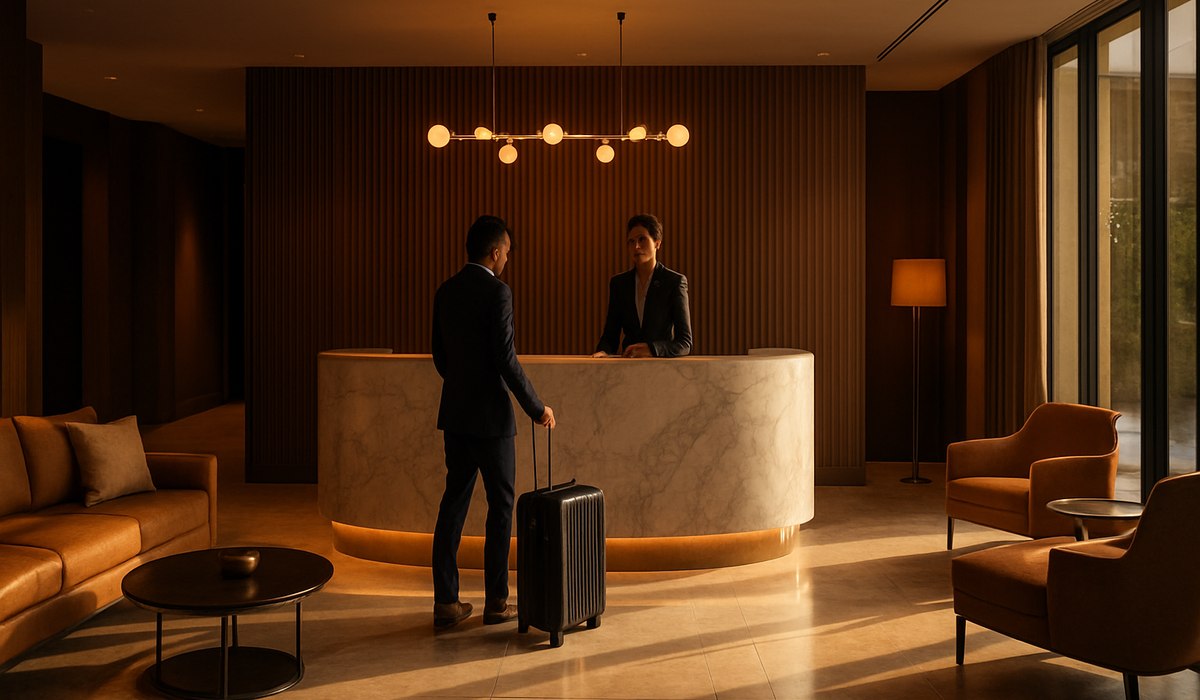
Image generated by AI
Airbnb CEO Charts Ambitious Course for Boutique Hotels and OTA Competition
Airbnb CEO Brian Chesky is reshaping the platform's strategic direction by aggressively pursuing boutique hotel partnerships while simultaneously taking aim at established online travel agencies. In a sweeping reassessment of Airbnb's competitive positioning, Chesky has publicly acknowledged where the company has fallen short and outlined an ambitious roadmap to capture market share from Expedia and Booking.com through enhanced creator services and curated property offerings.
The announcement signals a fundamental shift in how Airbnb intends to compete beyond its core vacation rental market. Rather than viewing boutique hotels as a separate category, Airbnb is repositioning itself as a comprehensive hospitality platform capable of serving travelers seeking both authentic short-term rentals and premium hotel experiences.
Airbnb's Strategic Pivot to Boutique Hotels
Chesky's boutique hotels initiative represents a deliberate move to compete directly in segments traditionally dominated by Expedia and Booking. By integrating independent boutique properties into its marketplace, Airbnb Brian Chesky aims to offer travelers a more curated, quality-focused selection while expanding the platform's total addressable market.
The strategy acknowledges that many travelers oscillate between rental properties and traditional hotels depending on trip duration, destination, and travel party composition. Boutique hotels occupy a sweet spot between mass-market chains and unique local accommodations, positioning them as ideal bridge properties for Airbnb's expansion ambitions.
Industry observers note this represents a significant departure from Airbnb's historical focus on peer-to-peer lodging. By embracing boutique hotels, the platform signals confidence in its ability to manage professional hospitality operations while maintaining the community-driven ethos that built its brand. For more on how these chains and short-term rental models compete, see our guide on boutique hotels vs. chains.
Direct Competition with OTA Giants Expedia and Booking
The competitive landscape in online travel accommodations has intensified dramatically, with Expedia and Booking commanding substantial market share across multiple property categories. Airbnb Brian Chesky has indicated the company will no longer cede premium hotel segments to these established competitors, directly challenging their traditional dominance.
Expedia and Booking have built their empires on breadth—offering everything from budget motels to luxury resorts alongside airline tickets and activities. Airbnb's differentiation strategy centers on superior user experience, creator-first tools, and properties with distinctive character. By adding boutique hotels to its portfolio, Airbnb bridges the gap between its rental expertise and the full-service hotel market where Expedia and Booking maintain strongholds.
This competitive escalation benefits travelers through expanded choices and increased innovation across platforms. Each company is investing heavily in technology, personalization, and service improvements to capture premium bookings. The boutique hotel sector, valued for its authenticity and curated experiences, represents contested territory where all three platforms now compete aggressively.
Where Airbnb Brian Chesky Admits the Company Has Stumbled
Candor about shortcomings has become rare among tech CEOs, yet Chesky has openly acknowledged areas where Airbnb has underperformed. The platform's service infrastructure—particularly around customer support, dispute resolution, and host-guest communication—has lagged behind what professional hoteliers and established OTAs provide.
Customer service remains a persistent vulnerability. While Airbnb has invested in support systems, skeptics argue the platform still struggles with response times and consistency compared to Booking and Expedia's established support networks. Additionally, Airbnb's host vetting and property quality assurance mechanisms have drawn criticism from travelers expecting consistent standards across thousands of independent operators.
The company has also been slower to develop robust creator tools and partnership frameworks that empower hosts to enhance their listings and reach. Recognizing these gaps, Chesky has prioritized investment in technology that elevates host capabilities and streamlines the booking experience. See our analysis on short-term rentals and OTA competition for deeper context on these market dynamics.
Creator Services and the Platform's Future Growth Engine
Central to Airbnb's expansion strategy is a renewed commitment to creator services—tools and resources that enable hosts to build and monetize their brands independently while remaining integrated with the Airbnb ecosystem. Chesky positions creator services as the company's next growth frontier, particularly as the platform diversifies into boutique hotels and professional hospitality.
Creator tools enable hosts to manage multiple properties, customize guest experiences, market their unique value propositions, and build direct relationships with returning guests. This shift empowers hosts as entrepreneurs rather than simply as property listers on Airbnb's platform. Enhanced creator services also reduce Airbnb's operational burden while increasing host loyalty and retention.
The creator economy model mirrors strategies successfully deployed by platforms like YouTube and Spotify, where content creators drive innovation and differentiation. For hospitality, this translates to hosts experimenting with personalization, amenities, and experiences that distinguish their properties from competitors. By strengthening its creator tools, Airbnb positions itself as the preferred platform for ambitious hospitality entrepreneurs seeking growth opportunities.
What Guests Get
Travelers booking through Airbnb benefit from several advantages as the platform executes its expansion strategy:
- Expanded property variety spanning vacation rentals, boutique hotels, and curated chain properties
- Improved service standards driven by competition with Expedia and Booking
- Creator-driven innovation resulting in more personalized and unique accommodation experiences
- Consolidated booking platform eliminating the need to toggle between multiple OTA websites
- Enhanced search and discovery powered by AI-driven recommendations and curated collections
- Competitive pricing reinforced by intensifying competition among OTAs and direct booking options
Key Market Data: Airbnb's Expansion in Context
| Metric | Details |
|---|---|
| Primary Strategic Focus | Boutique hotels and creator services expansion |
| Direct Competitors | Expedia, Booking.com, established hotel chains |
| Service Areas Acknowledged as Gaps | Customer support, dispute resolution, host vetting consistency |
| Competitive Advantage Being Leveraged | Creator tools, user experience, brand authenticity |
| Timeline for Boutique Hotel Rollout | Aggressive expansion announced in May 2026 |
| Target Property Categories | Independent boutique hotels, curated chains, rental properties |
| Growth Engine | Creator services and host empowerment tools |
| Market Positioning | Full-service hospitality platform competing across all segments |
What This Means for Travelers in 2026 and Beyond
Chesky's strategic repositioning has tangible implications for how travelers will book accommodations over the next several years:
-
Expect broader choice architecture as Airbnb adds professional hotel properties alongside its traditional rental inventory, giving travelers one-platform access to diverse lodging styles and price points.
-
Anticipate improved customer support as competition with Expedia and Booking intensifies, driving investment in response times, dispute resolution, and service consistency across all property types.
-
Watch for creator-driven differentiation, where innovative hosts introduce unique experiences and personalized services that distinguish their properties in crowded markets and raise baseline expectations.
-
Prepare for dynamic pricing competitiveness as Airbnb, Expedia, and Booking aggressively compete for bookings, potentially driving prices down in certain segments while premium properties command premium rates.
-
Leverage consolidated search capabilities by using a single platform to compare vacation rentals, boutique hotels, and chain options without switching between multiple websites.
Frequently Asked Questions
What is Airbnb CEO Brian Chesky's strategy for competing with Expedia and Booking?
Disclaimer
This article is for informational and educational purposes only. It does not constitute legal, financial, or professional advice. While we strive to provide accurate and up-to-date information, travel policies, regulations, and conditions change rapidly. Always verify information with official sources before making travel decisions. Nomad Lawyer makes no representations about the accuracy, reliability, completeness, or suitability of the information provided. Readers should consult qualified professionals for advice specific to their circumstances. The views expressed in this article are those of the author and do not necessarily reflect the views of Nomad Lawyer.
Kunal K Choudhary
Co-Founder & Contributor
A passionate traveller and tech enthusiast. Kunal contributes to the vision and growth of Nomad Lawyer, bringing fresh perspectives and driving the community forward.
Learn more about our team →