
NYC, LA, Chicago, Miami, Savannah Lead America's Instagram-Worthy Cities Reshaping Travel in 2026
New York City dominates America's most Instagrammable destinations as social media fundamentally reshapes where travelers spend their vacation dollars and how cities compete for digital visibility.

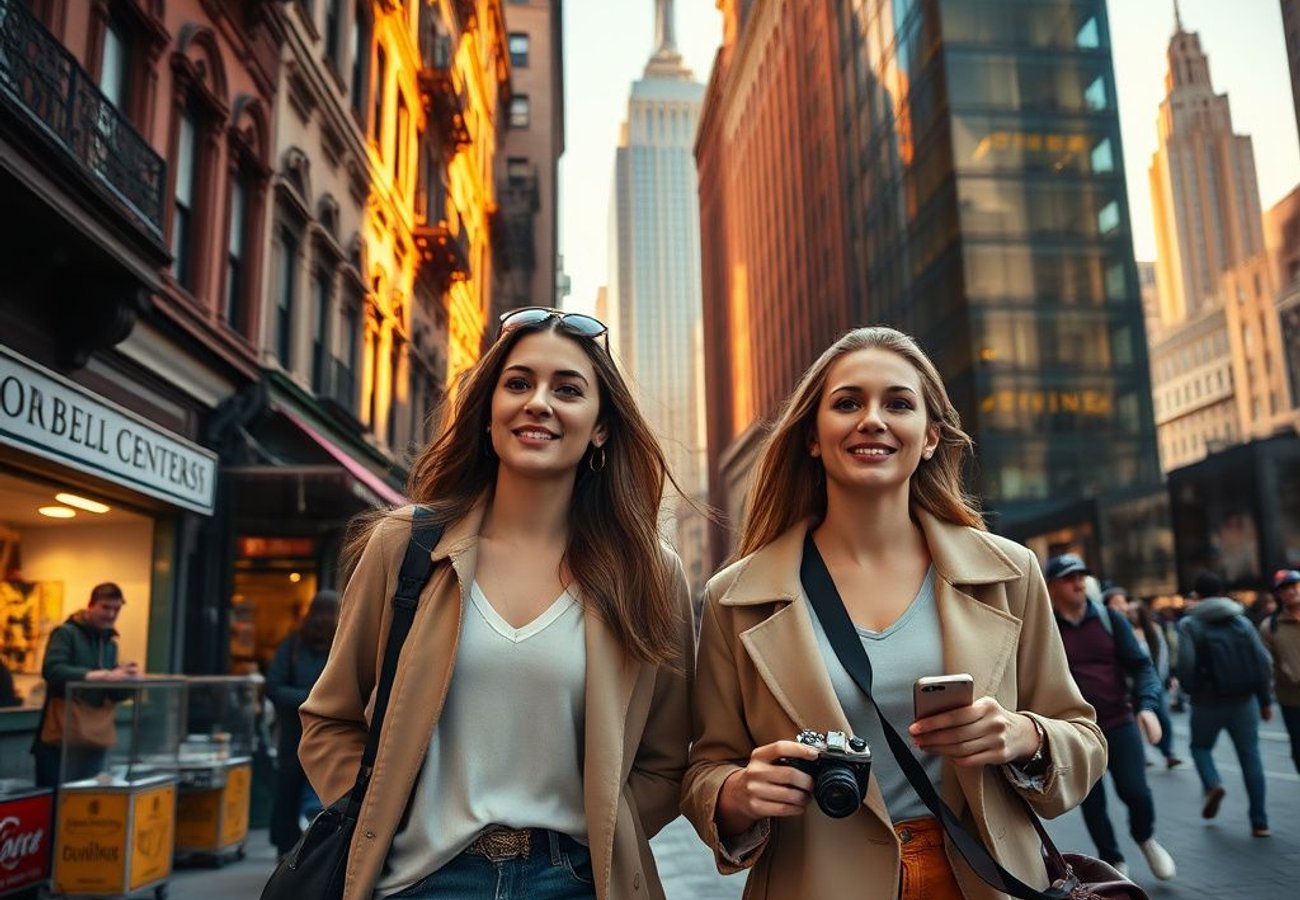
Image generated by AI
The Instagram Effect Is Rewriting America's Tourism Playbook
New York City has officially claimed the crown as America's most Instagrammable destination in June 2026—and the implications are seismic. Verified travel data tracking social media performance shows that visual appeal and shareability now matter more than traditional landmarks when travelers choose where to spend their vacation dollars.
This isn't just a passing trend. Social media platforms have fundamentally rewired how destinations compete, how travelers decide, and how billions in tourism revenue flows across the country.
Reddit: "I literally planned my entire trip around Instagram locations. My algorithm became my tour guide." — r/travel
The top contenders—New York City, Los Angeles, Chicago, Miami, Savannah, and Las Vegas—each offer wildly different visual identities. But they share one critical feature: they generate relentless online visibility that drives real visitor numbers.
Why Social Media Now Controls Where Americans Travel
A decade ago, travelers consulted guidebooks. Today, they scroll feeds.
Images, short-form videos, and user-generated content have become the primary decision-making tools for millions of people. Destinations aren't just competing for visitors anymore—they're competing for algorithmic visibility. A single viral photograph can generate millions of impressions and influence travel demand across entire regions.
Tourism boards have recognized this shift. Cities are now deliberately investing in attractions, murals, architecture, and experiences designed specifically to perform well online. The strategy works. Visual storytelling creates emotional connections that traditional advertisements simply cannot replicate.
Cities increasingly understand: if it doesn't photograph well, it won't drive visitation.
New York City's Dominance: 5.8 Million Posts and Counting
Times Square alone generates more than 5.8 million tagged posts on social platforms. That single metric illustrates NYC's extraordinary digital footprint.
The city possesses one of the world's most recognizable skylines. Its cultural influence extends across every continent. When international travelers dream of America, they visualize NYC's skyline, not suburban shopping malls.
The Statue of Liberty, Brooklyn Bridge, and Manhattan skyline have become digital ambassadors for the entire nation. Their global recognizability drives a powerful cycle: travelers arrive expecting iconic imagery, they capture it, they share it, more people want to experience it themselves.
NYC's neighborhood diversity amplifies this advantage. Every district—from SoHo to Tribeca, from Williamsburg to the Upper West Side—offers distinct visual opportunities. Travelers can craft highly personalized content while remaining in one city.
Los Angeles: Where Entertainment Meets Natural Beauty
Los Angeles occupies a uniquely powerful position. The city seamlessly blends entertainment culture, natural landscapes, and lifestyle aesthetics in ways few other American cities can match.
The Hollywood Sign remains one of the world's most recognized landmarks. Lake Hollywood Park delivers panoramic vistas. The Los Angeles County Museum of Art lights installation continues attracting enormous crowds. Meanwhile, endless palm trees, dramatic sunsets, and coastline views dominate viral social media feeds.
Visitors arrive with preconceived visual expectations shaped by decades of cinema. LA delivers those images—and then provides entirely new aesthetic experiences. The city's sprawling geography means urban environments coexist seamlessly with natural wonders, creating diverse content opportunities that appeal to different audience segments simultaneously.
Chicago's Architectural Renaissance
Chicago is increasingly attracting attention for something often overlooked in Instagram culture: architectural excellence.
The city possesses one of the most impressive architectural collections on Earth. Cloud Gate—commonly called "The Bean"—remains the city's signature attraction, its reflective surface creating endless photographic possibilities. The Chicago River architecture corridor draws substantial social media attention. Neighborhood murals have transformed entire blocks into gallery spaces.
Architecture boat tours have become major attractions, offering unique perspectives unavailable elsewhere. Chicago is proving that cultural sophistication and design excellence can generate enormous social media appeal.
The city's blend of historic and contemporary design appeals to diverse audiences. Visual complexity translates directly into stronger engagement metrics.
Miami's Neon Tropical Energy
Miami embodies colour, energy, and movement in ways that photograph spectacularly.
Ocean Drive's pastel architecture creates instantly identifiable imagery. The neon glow enhances appeal further. Wynwood Walls offers an entirely different experience—raw street art and creative expression dominating the district.
Visitors are attracted by vibrant nightlife, tropical settings, and lifestyle aesthetics. Fashion, food, and entertainment blend naturally throughout the city. Miami appeals across multiple demographics: luxury travelers, content creators, and leisure tourists all find compelling experiences.
According to recent destination marketing research, cities that successfully integrate visual storytelling into their tourism strategy see measurable increases in visitor numbers and spending.
Savannah's Historic Aesthetic Appeal
Savannah represents an entirely different category within the Instagram travel ecosystem. The city doesn't compete on modern skylines or high-energy nightlife.
Instead, Savannah wins through historic charm, moss-draped oak trees, Spanish moss aesthetic, and picturesque squares. The visual identity appeals to travelers seeking slower, more contemplative experiences. This segment performs surprisingly well on Instagram—aesthetically driven travel is booming.
Savannah proves that Instagrammable doesn't mean flashy or contemporary. Timeless beauty captures attention equally effectively.
The Larger Shift: Data Over Tradition
What's truly transformative here is the underlying shift in power. Destination marketing professionals now track hashtag performance as carefully as hotel occupancy rates. Tourism strategy is being redesigned around shareable experiences rather than historical significance alone.
Travel analytics platforms now measure destination attractiveness through social media metrics as effectively as traditional visitor surveys, fundamentally changing how cities invest tourism dollars.
This creates pressure. Cities that fail to understand visual appeal risk being overlooked by the most valuable modern traveler segment: young, digitally native, experience-driven visitors who document and share extensively.
The old model of tourism—build a landmark, tourists visit—has been replaced by a new model: create shareable experiences, content circulates, tourists arrive, more content circulates.
The cycle is self-reinforcing.
Las Vegas: Entertainment as Default
Las Vegas rounds out the top tier, occupying its own unique category. The city is designed for visual excess and shareability. Every casino, every fountain show, every neon-soaked street practically demands documentation.
Vegas doesn't need to adapt to Instagram culture—it was built for exactly this purpose decades before Instagram existed. The city's entire infrastructure encourages photography and visual spectacle.
What This Means for Travelers and Destination Marketers
The competitive landscape has fundamentally shifted. Smaller cities with limited budgets are discovering that strategic investments in visual infrastructure—street art, lighting design, architectural renovation—can generate tourism impact equal to much more expensive traditional marketing campaigns.
Content creators have become unofficial destination ambassadors, wielding more influence over travel decisions than official tourism boards in many cases.
For travelers, the implication is more complex. Social media undoubtedly expands knowledge of global destinations. But it also creates winner-take-all tourism patterns where heavily Instagrammed locations become overcrowded while equally compelling destinations remain overlooked.
The rise of Instagram travel means some American cities will experience unprecedented tourism growth while others remain invisible despite genuine appeal.
Social media didn't just change how we share travel experiences—it rewrote the entire competitive landscape of American tourism.
Related Travel Guides
Disclaimer
This article is for informational and educational purposes only. It does not constitute legal, financial, or professional advice. While we strive to provide accurate and up-to-date information, travel policies, regulations, and conditions change rapidly. Always verify information with official sources before making travel decisions. Nomad Lawyer makes no representations about the accuracy, reliability, completeness, or suitability of the information provided. Readers should consult qualified professionals for advice specific to their circumstances. The views expressed in this article are those of the author and do not necessarily reflect the views of Nomad Lawyer.
Preeti Gunjan
Contributor & Community Manager
A passionate traveller and community builder. Preeti helps grow the Nomad Lawyer community, fostering engagement and bringing the reader experience to life.
Learn more about our team →