
Boeing 737 MAX Orders Accelerate Sharply, Signaling Major Fleet Modernization Wave Across Global Aviation
Breaking airline news and aviation industry updates for 2026.

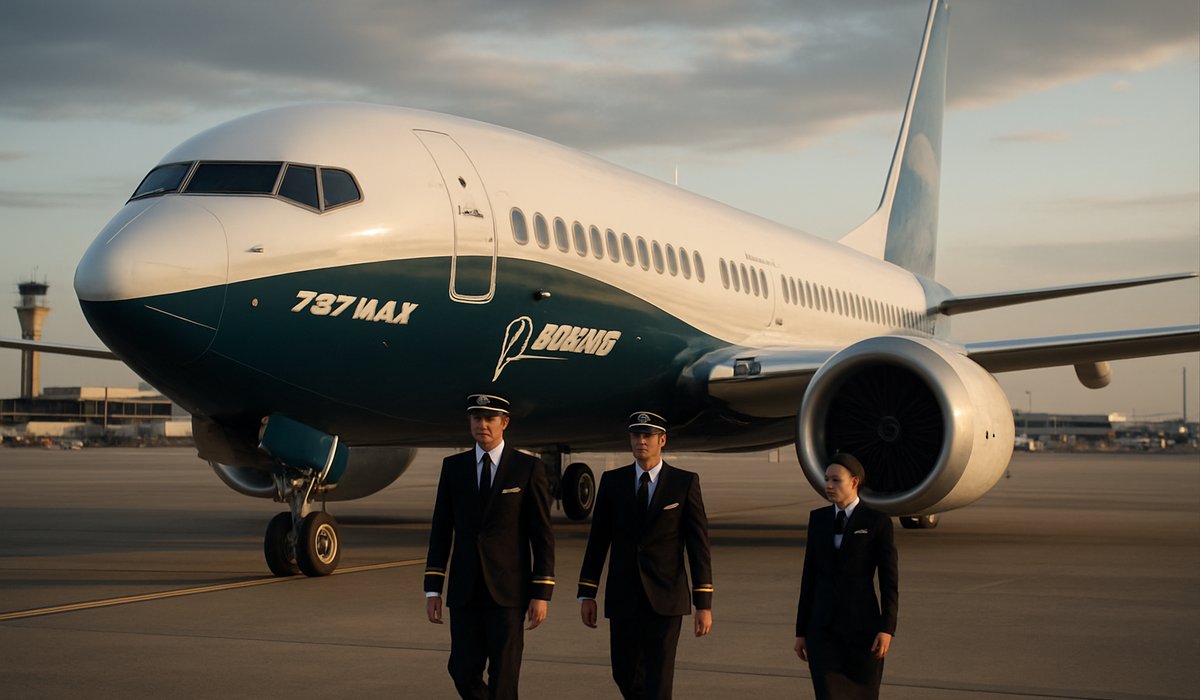
Image generated by AI
Boeing 737 MAX Orders Accelerate Sharply, Signaling Major Fleet Modernization Wave Across Global Aviation
Aircraft manufacturer's April surge reshapes industry trajectory as carriers bet on fuel-efficient narrowbody jets
Boeing Reports Significant Order Volume in April
Boeing has secured over 130 aircraft orders during April, with a substantial portion directed toward its 737 MAX narrowbody jet—marking a critical turning point in the aircraft manufacturer's recovery trajectory following years of operational disruptions. The renewed demand underscores growing airline confidence in the single-aisle platform, which has become central to carrier strategies for managing volatile jet fuel prices and evolving travel demand patterns.
Fleet Modernization Drives Purchase Decisions
The surge in 737 MAX orders reflects a strategic pivot across the global aviation sector toward fuel-efficient aircraft capable of withstanding economic uncertainty. Airlines operating in competitive markets are prioritizing aircraft with lower operating costs—a critical factor as jet fuel prices remain susceptible to geopolitical shocks and supply chain volatility.
The narrowbody segment dominates global aviation, accounting for approximately 70% of commercial traffic on short and medium-haul routes. Carriers are leveraging 737 MAX deliveries to replace aging, fuel-hungry aircraft while simultaneously expanding capacity on profitable regional services.
Industry Implications and Market Recovery
Boeing's April performance signals strengthening order momentum after prolonged headwinds stemming from the 737 MAX's grounding between 2019 and 2020. The resurgence demonstrates airlines' appetite for new-generation aircraft despite inflationary pressures on aviation costs and uncertainty surrounding route profitability.
"The significant order activity reflects airlines' commitment to fleet renewal and operational efficiency," Boeing noted in communications regarding the April figures. Carriers are incorporating modernized aircraft into their networks to optimize fuel consumption, reduce airline fees and ancillary charges to remain competitive, and improve passenger experience metrics.
Broader Aviation Sector Outlook
The 737 MAX order acceleration carries implications beyond aircraft manufacturing. As global carriers refresh aging fleets with efficient narrowbodies, the aviation industry positions itself for sustainable cost management amid persistent fuel price pressures. Newer aircraft typically generate lower per-seat operating expenses, allowing airlines to maintain competitive ticket pricing while protecting margins.
Supply chain disruptions and manufacturing capacity constraints remain watchpoints, as Boeing simultaneously manages existing backlogs and delivery schedules. The manufacturer's ability to fulfill accelerating demand will significantly influence airline expansion timelines and capacity deployments across international markets.
This momentum underscores aviation's path toward modernization, efficiency gains, and operational sustainability in a complex economic environment.
Frequently Asked Questions
Q: Why are airlines ordering so many Boeing 737 MAX aircraft? A: The 737 MAX offers superior fuel efficiency and lower operating costs compared to older narrowbody aircraft, helping carriers manage jet fuel price volatility and maintain competitive pricing in a challenging economic environment.
Q: How do new aircraft affect airline baggage fees and other charges? A: Modern aircraft like the 737 MAX reduce per-seat operating costs, allowing carriers to maintain or gradually lower ticket prices. However, airlines independently set baggage charges and ancillary fees based on market strategy and demand management.
Q: What was the 737 MAX grounding and how does it affect current orders? A: Boeing's 737 MAX was grounded from 2019-2020 due to safety concerns. Its return to service and successful operational record has restored airline confidence, driving current order surges as carriers view it as a proven platform for fleet modernization.
Q: How do jet fuel prices influence aircraft purchasing decisions? A: Volatile jet fuel prices directly impact airline profitability. Fuel-efficient aircraft like the 737 MAX reduce consumption per flight hour, making them attractive investments during periods of high or unpredictable fuel costs.
Q: When will these new 737 MAX aircraft enter airline fleets? A: Delivery timelines vary by airline and purchase agreements, typically spanning several years. Boeing's manufacturing capacity and supply chain efficiency will determine how quickly these orders translate into in-service aircraft.
Related Travel Guides
Flight Delay Compensation Guide 2026
Understanding Airline Route Changes
Airport Security Process Updated (2026)
External Resources
Disclaimer
This article is for informational and educational purposes only. It does not constitute legal, financial, or professional advice. While we strive to provide accurate and up-to-date information, travel policies, regulations, and conditions change rapidly. Always verify information with official sources before making travel decisions. Nomad Lawyer makes no representations about the accuracy, reliability, completeness, or suitability of the information provided. Readers should consult qualified professionals for advice specific to their circumstances. The views expressed in this article are those of the author and do not necessarily reflect the views of Nomad Lawyer.
Preeti Gunjan
Contributor & Community Manager
A passionate traveller and community builder. Preeti helps grow the Nomad Lawyer community, fostering engagement and bringing the reader experience to life.
Learn more about our team →