
Boeing Prepares Everett for Newest 737 MAX Production Line
Boeing prepares Everett facility for expanded 737 MAX production in 2026 as 747 manufacturing concludes. Washington state operations reshape to meet aircraft demand.

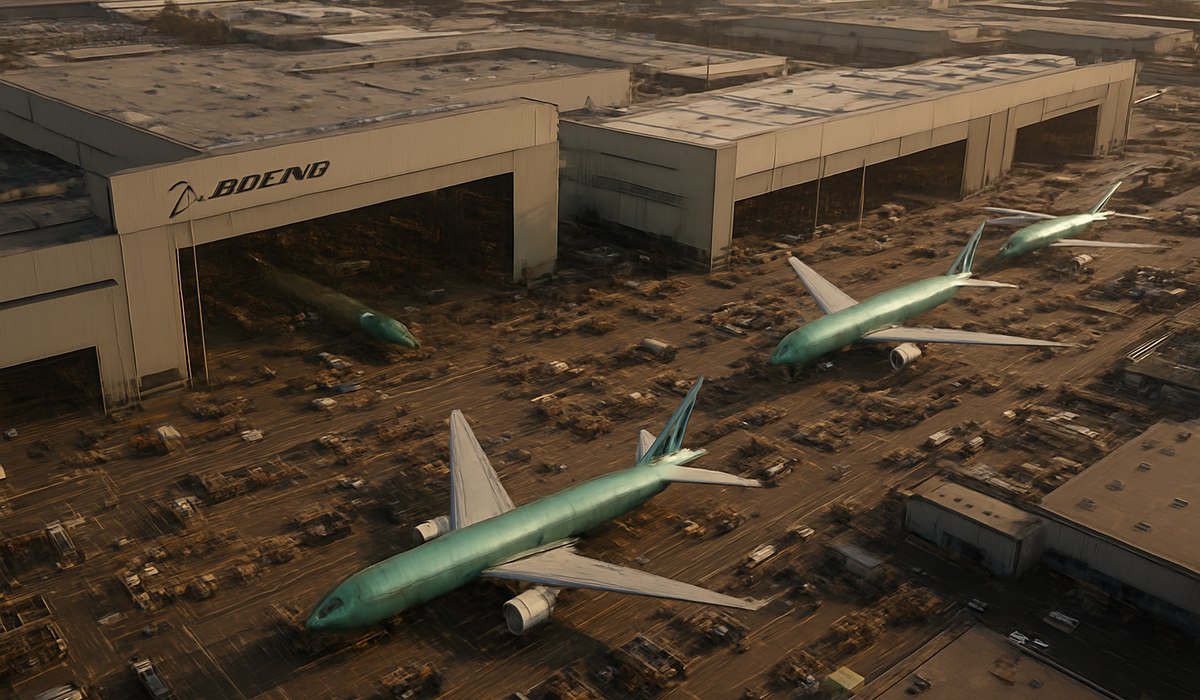
Image generated by AI
Boeing Prepares Everett for Major Production Shift
Boeing prepares Everett for its newest 737 MAX production line as the aviation manufacturer strategically reallocates manufacturing capacity across Washington state facilities. The company is consolidating aircraft assembly operations, moving 737 MAX production from its traditional Renton base to the Everett complex. This shift capitalizes on freed-up manufacturing space left vacant after Boeing's historic 747 production ended. The transition marks a significant restructuring of Boeing's domestic supply chain and production footprint, directly influencing aircraft delivery timelines and airline fleet expansion plans.
Boeing's Strategic Shift From Renton to Everett
Historically, Boeing concentrated 737 MAX manufacturing at its Renton facility, a sprawling aerospace hub south of Seattle. The newest production strategy reallocates these operations northward to Everett, Washington's largest industrial employer. This geographic restructuring reduces operational fragmentation and optimizes facility utilization across Boeing's footprint. Everett, home to Boeing's wide-body aircraft operations for decades, now gains narrow-body 737 assembly capabilities. The consolidation improves logistics, reduces inter-facility transportation, and enhances workforce deployment efficiency. Boeing's decision reflects evolving market demands and the opportunity cost of maintaining redundant production lines across multiple locations.
End of 747 Production Opens New Opportunities
The discontinuation of 747 manufacturing represents a watershed moment for Boeing's Everett operations. The iconic jumbo jet production line, active for over 50 years, concluded operations in 2023, leaving significant manufacturing infrastructure available for reallocation. This freed-up space, equipment, and production expertise now supports 737 MAX expansion. The 747's sunset reflected declining cargo demand and aircraft economics favoring smaller, more fuel-efficient twin-aisle designs. Rather than maintain idle capacity, Boeing strategically repositioned the Everett facility toward high-demand narrow-body aircraft. This approach maximizes asset utilization while supporting the 737 MAX's position as the world's best-selling commercial jet.
Impact on 737 MAX Output and Manufacturing Capacity
Boeing prepares Everett production lines to significantly increase 737 MAX assembly rates and delivery capacity. The newest production configuration targets 50+ aircraft monthly across combined manufacturing facilities by 2027. Everett's expanded role reduces bottlenecks that historically plagued the Renton operation. Airlines facing multi-year delivery queues benefit directly from increased manufacturing throughput. The production expansion addresses industry-wide aircraft shortages exacerbated by supply chain disruptions and heightened travel demand. Manufacturers worldwide are ramping wide-body and narrow-body output, making Everett's capacity increase competitively critical. Enhanced production capacity translates to shorter wait times for operators like Southwest Airlines, American Airlines, and international carriers.
Timeline and Next Steps for Full Implementation
Boeing's transition to Everett-based 737 MAX production unfolds across multiple phases through 2027. Initial equipment relocation and facility modifications began in early 2026, with pilot production scheduled for Q3 2026. Full operational capacity targets Q1 2027, when dual-facility production reaches optimal efficiency. Worker retraining programs and hiring initiatives support the shift, particularly targeting experienced aerospace technicians. Supply chain vendors adapted delivery routes and logistics to accommodate Everett's incoming production demands. Boeing communicates delivery timeline adjustments with customers quarterly, ensuring airlines plan fleet integration accordingly. This phased approach minimizes disruption while maximizing production quality and manufacturing standards.
Production Metrics and Facility Comparison Table
| Metric | Renton Facility | Everett Facility | Combined Target |
|---|---|---|---|
| Historical 737 MAX Capacity | 45 aircraft/month | 0 aircraft/month | 50+ aircraft/month |
| Projected 2027 Output | 28 aircraft/month | 22+ aircraft/month | 50+ aircraft/month |
| Workforce Allocation | 8,500 aerospace workers | 5,200 aerospace workers | 13,700+ workers |
| Production Line Equipment | 4 active lines | 2 new/converted lines | 6 total lines |
| Facility Square Footage | 582,000 sq ft (737) | 398,000 sq ft (allocated) | 980,000 sq ft combined |
| Expected Completion | Ongoing operations | Q1 2027 full capacity | Q1 2027 target |
What This Means for Travelers
The expansion of Boeing prepares Everett for increased 737 MAX delivery capacity, creating tangible benefits for commercial air travel passengers worldwide.
-
Shorter Aircraft Delivery Delays: Airlines currently waiting three to five years for 737 MAX deliveries may receive aircraft 6-12 months earlier, enabling faster fleet modernization and route expansion.
-
Improved Cabin Features and Comfort: Newer 737 MAX aircraft delivered sooner integrate latest cabin technologies, including larger windows, improved air filtration, and enhanced lighting systems preferred by major carriers.
-
Expanded Route Networks: Airlines receiving aircraft ahead of schedule launch new destinations and increase frequency on profitable routes, providing travelers more flight options and competitive pricing.
-
Enhanced Fleet Reliability: Newer aircraft deployments reduce mechanical delays and cancellations, as carriers retire older, higher-maintenance narrow-body jets in favor of efficient 737 MAX variants.
-
Lower Airfares Over Time: Increased aircraft supply gradually reduces constrained capacity pricing, particularly on competitive domestic routes where multiple carriers operate 737 MAX fleets.
-
Better Fuel Efficiency: 737 MAX aircraft consume 20% less fuel than previous-generation 737s, enabling airlines to reduce operational costs and potentially pass savings to economy cabin passengers.
Frequently Asked Questions
When will Boeing prepares Everett facility for full 737 MAX production? Boeing targets Q1 2027 for complete Everett facility readiness and full-rate 737 MAX production. Initial pilot manufacturing begins Q3 2026, with phased capacity increases throughout late 2026 and early 2027. The timeline allows for equipment installation, workforce training, and supply chain integration without compromising manufacturing quality or safety standards.
How many 737 MAX aircraft will Everett produce monthly? Everett is projected to manufacture 22-25 737 MAX aircraft monthly once full capacity activates in 2027. Combined with Renton's 25-28 monthly aircraft, Boeing's total 737 MAX output reaches 50+ monthly. This production rate matches industry demand and addresses the substantial global order backlog exceeding 5,000 aircraft.
Will this transition affect airline delivery schedules? The Everett expansion accelerates overall 737 MAX delivery timelines, potentially shortening wait times by 6-12 months for airlines positioned later in the delivery queue. Early-positioned customers experience minimal schedule changes, while those scheduled for 2027-2028 delivery may receive earlier confirmation dates as Everett capacity comes online.
Are current Renton workers affected by the Everett transition? Renton employees maintain their positions as the facility continues producing 737 MAX aircraft. Boeing actively hires additional workers in both locations rather than transferring existing employees. Voluntary relocation programs support interested workers, though most Renton staff remain at the traditional facility.
Related Travel Guides
- Cathay Pacific Global Leader: 2026 AirlineRatings Awards Recognition
- Vietnam Travel Tourism: Phu Quoc Airport Expands Global Connectivity in 2026
- Travel Tips Smoother: 5 Habits for Stress-Free Airport Arrivals in 2026
Disclaimer
This article draws information from Boeing's official manufacturing announcements, aerospace industry publications, and Federal Aviation Administration (FAA) regulatory filings. Specific production timelines and capacity figures reflect Boeing's stated projections as of
Disclaimer
This article is for informational and educational purposes only. It does not constitute legal, financial, or professional advice. While we strive to provide accurate and up-to-date information, travel policies, regulations, and conditions change rapidly. Always verify information with official sources before making travel decisions. Nomad Lawyer makes no representations about the accuracy, reliability, completeness, or suitability of the information provided. Readers should consult qualified professionals for advice specific to their circumstances. The views expressed in this article are those of the author and do not necessarily reflect the views of Nomad Lawyer.
Raushan Kumar
Founder & Lead Developer
Full-stack developer with 11+ years of experience and a passionate traveller. Raushan built Nomad Lawyer from the ground up with a vision to create the best travel and law experience on the web.
Learn more about our team →