
Boeing 777X Longest Routes: Game-Changer for Ultra-Long-Haul Travel
Boeing's 777X promises to revolutionize ultra-long-haul travel with extended range capabilities. Delayed [FAA](https://www.faa.gov) certification keeps airlines in planning limbo as competitive pressures mount in 2026.

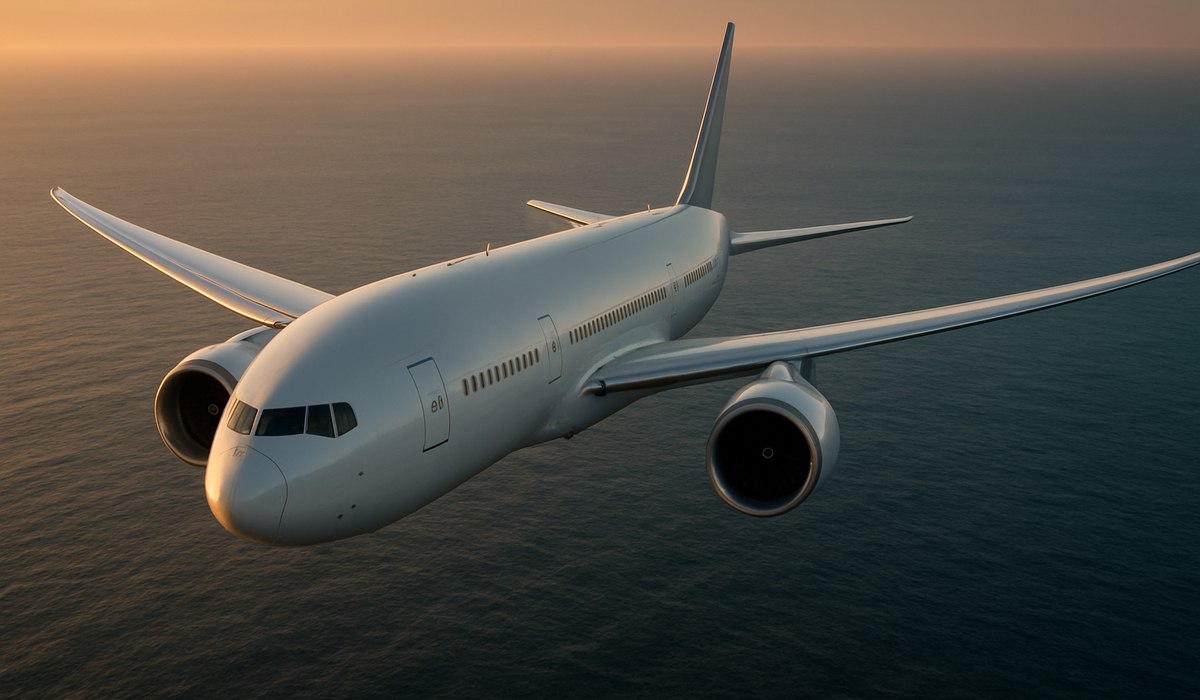
Image generated by AI
Boeing 777X Longest Routes Finally Within Reach—But Certification Delays Continue
Boeing's 777X aircraft represents a watershed moment for ultra-long-haul aviation, yet persistent delays threaten to upend fleet modernization timelines across the global airline industry. Assembled at the Boeing Everett Factory near Seattle, Washington, the 777X has endured a lengthy certification path since its 2013 launch, with maiden test flights not occurring until 2020. As of April 2026, the aircraft awaits Federal Aviation Administration certification, creating uncertainty for carriers worldwide planning to deploy the 777X on unprecedented transocean routes that could reshape international connectivity and passenger travel experiences.
What Makes the 777X a Game-Changer for Ultra-Long-Haul Routes
The Boeing 777X longest-range capability fundamentally transforms how airlines conceptualize global route networks. With an extended operational range exceeding 8,700 nautical miles, the aircraft eliminates the need for intermediate stops on many traditionally complex itineraries. This extended range enables direct connections between city pairs previously requiring fuel stops or aircraft substitution.
Airlines pursuing competitive advantage recognize the 777X's potential for premium route development. Point-to-point service reduces passenger fatigue, increases connectivity options, and captures lucrative long-haul market segments. The aircraft's fuel efficiency—driven by advanced composite wing technology and next-generation engines—translates directly into lower operating costs per available seat kilometer.
The certification process, managed by the Federal Aviation Administration, encompasses structural testing, propulsion validation, avionics certification, and safety system redundancy verification. Each phase demands rigorous documentation and flight testing data. Current timelines suggest certification could arrive within months, though historical delays warrant cautious optimism from eager operators. For detailed regulatory oversight, the FAA certification portal provides official guidance on aviation safety standards.
The Seven Longest Routes the 777X Could Enable
The 777X's capabilities unlock seven transformative ultra-long-haul connections:
Sydney to London represents the ultimate intercontinental challenge, spanning 17,000 kilometers. Current operations require stops in Middle Eastern hubs. Direct service would reduce travel time by 6-8 hours while capturing premium cabin demand.
Singapore to Newark extends approximately 16,600 kilometers over the polar corridor. Asian carriers could establish competitive direct service to United States Northeast markets.
Bangkok to Frankfurt covers roughly 11,000 kilometers, enabling efficient connections between Southeast Asian and European markets without Middle Eastern layovers.
Perth to London traverses 17,300 kilometers, currently Australia's longest possible direct flight distance. The 777X makes this imaginable for the first time.
Auckland to Barcelona spans 19,000 kilometers via trans-Pacific routing, representing one of aviation's ultimate distance challenges.
Hong Kong to New York reaches approximately 12,000 kilometers, a natural complement to existing Pacific rim networks.
Johannesburg to San Francisco covers roughly 13,600 kilometers, strengthening Southern Hemisphere to United States connectivity.
These routes depend on successful FAA certification and airline capacity planning. Track industry developments through FlightAware's aircraft database, which monitors aircraft deployment patterns globally.
Certification Delays' Impact on Airline Fleet Planning
Airlines worldwide have ordered over 350 Boeing 777X aircraft, representing commitments exceeding $100 billion in capital expenditure. Extended certification timelines force operators into difficult strategic decisions regarding fleet renewal schedules.
Legacy aircraft retirement plans face uncertainty. Carriers cannot confidently ground aging 777-300ER or 747 variants without confirmed delivery dates for replacement capacity. This creates operational inefficiency where airlines maintain expensive aging aircraft longer than optimal while awaiting next-generation equipment.
Competitive positioning suffers measurably. Early 777X adopters gain strategic advantage in premium long-haul markets, while delayed operators risk market share erosion. Middle Eastern and Asian carriers particularly feel pressure to secure competitive advantage through advanced fleet modernization.
Financing arrangements complicate matters further. Airlines structured multi-year payment plans assuming specific delivery windows. Delays extend payment obligations and defer expected benefits from operating more cost-efficient aircraft. The U.S. Department of Transportation monitors airline operational capability and consumer protection regarding service continuity.
Competitive Advantages for Early 777X Adopters
First-mover advantage in 777X deployment carries substantial strategic benefits. Airlines introducing 777X service on premium ultra-long-haul routes capture market share from competitors operating older aircraft on identical routes.
Fuel efficiency gains translate directly to unit cost reduction. The 777X consumes approximately 20 percent less fuel than legacy widebody aircraft, creating competitive pricing flexibility while maintaining margin improvement.
Passenger experience enhancement drives brand differentiation. Advanced cabin pressurization, larger windows, and refined noise reduction create measurable comfort improvements that justify premium pricing and drive brand loyalty among business travelers.
Network flexibility increases dramatically. Airlines can confidently plan routes previously requiring hub strategies. This direct connectivity appeals specifically to corporate travel managers seeking reduced journey times and simplified logistical planning.
Regulatory compliance advantages emerge as environmental standards tighten globally. Airlines operating cleaner, more efficient aircraft position themselves favorably within emerging carbon-reduction regulatory frameworks affecting international aviation.
Key Data Table: 777X Specifications and Comparative Range
| Specification | Boeing 777X | Boeing 777-300ER | Airbus A350-900 |
|---|---|---|---|
| Maximum Range | 8,700+ nautical miles | 7,730 nautical miles | 8,000 nautical miles |
| Passenger Capacity | 314-396 seats | 300-396 seats | 287-325 seats |
| Fuel Capacity | 181,280 liters | 158,400 liters | 165,000 liters |
| First Test Flight | January 2020 | 1998 | June 2013 |
| FAA Certification Status | Pending (2026) | Certified 1998 | Certified 2015 |
| Estimated Operating Cost per Hour | $11,000-$12,500 | $14,000-$15,500 | $12,500-$13,500 |
| Environmental Impact | 20% fuel reduction vs. 777-300ER | Baseline comparison | 25% fuel reduction vs. legacy aircraft |
What This Means for Travelers in 2026
The 777X longest-range capabilities directly impact how you experience international air travel over coming years. Understanding these developments helps passengers anticipate route changes, pricing evolution, and cabin experience improvements.
Traveler Action Checklist:
-
Monitor airline route announcements through official carrier websites and aviation news sources to identify new 777X service launches within your travel corridors of interest.
-
Book flexible fare classes on legacy widebody aircraft, as replacement by more efficient 777X service may reduce available seat inventory on traditional routes.
-
Research cabin configuration details for 777X equipped aircraft, as manufacturers and airlines continue refining premium cabin layouts and amenity offerings.
-
Subscribe to frequent flyer program alerts from carriers operating 777X aircraft, enabling early access to premium seating on newly launched ultra-long-haul routes.
-
Verify aircraft type before booking through FlightAware to confirm seat pitch, entertainment systems, and amenity offerings on your specific flight.
-
Review airline delivery schedules published in annual financial reports to estimate when specific routes transition to 777X equipment.
-
Check international travel insurance coverage for new ultra-long-haul routes, as aircraft changes sometimes trigger policy exclusions or premium adjustments.
-
Monitor carbon offset programs offered by airlines, as 777X deployment generates sustainability
Disclaimer
This article is for informational and educational purposes only. It does not constitute legal, financial, or professional advice. While we strive to provide accurate and up-to-date information, travel policies, regulations, and conditions change rapidly. Always verify information with official sources before making travel decisions. Nomad Lawyer makes no representations about the accuracy, reliability, completeness, or suitability of the information provided. Readers should consult qualified professionals for advice specific to their circumstances. The views expressed in this article are those of the author and do not necessarily reflect the views of Nomad Lawyer.
Preeti Gunjan
Contributor & Community Manager
A passionate traveller and community builder. Preeti helps grow the Nomad Lawyer community, fostering engagement and bringing the reader experience to life.
Learn more about our team →