
Hong Kong to Europe Flight Routes Shift: New Corridors via Finland, Singapore, Thailand Replace Middle East Hubs in 2026
Airlines reroute Hong Kong-Europe flights through Finland, Singapore, Thailand, and China due to geopolitical tensions. Direct flights cost more; one-stop alternatives offer savings.

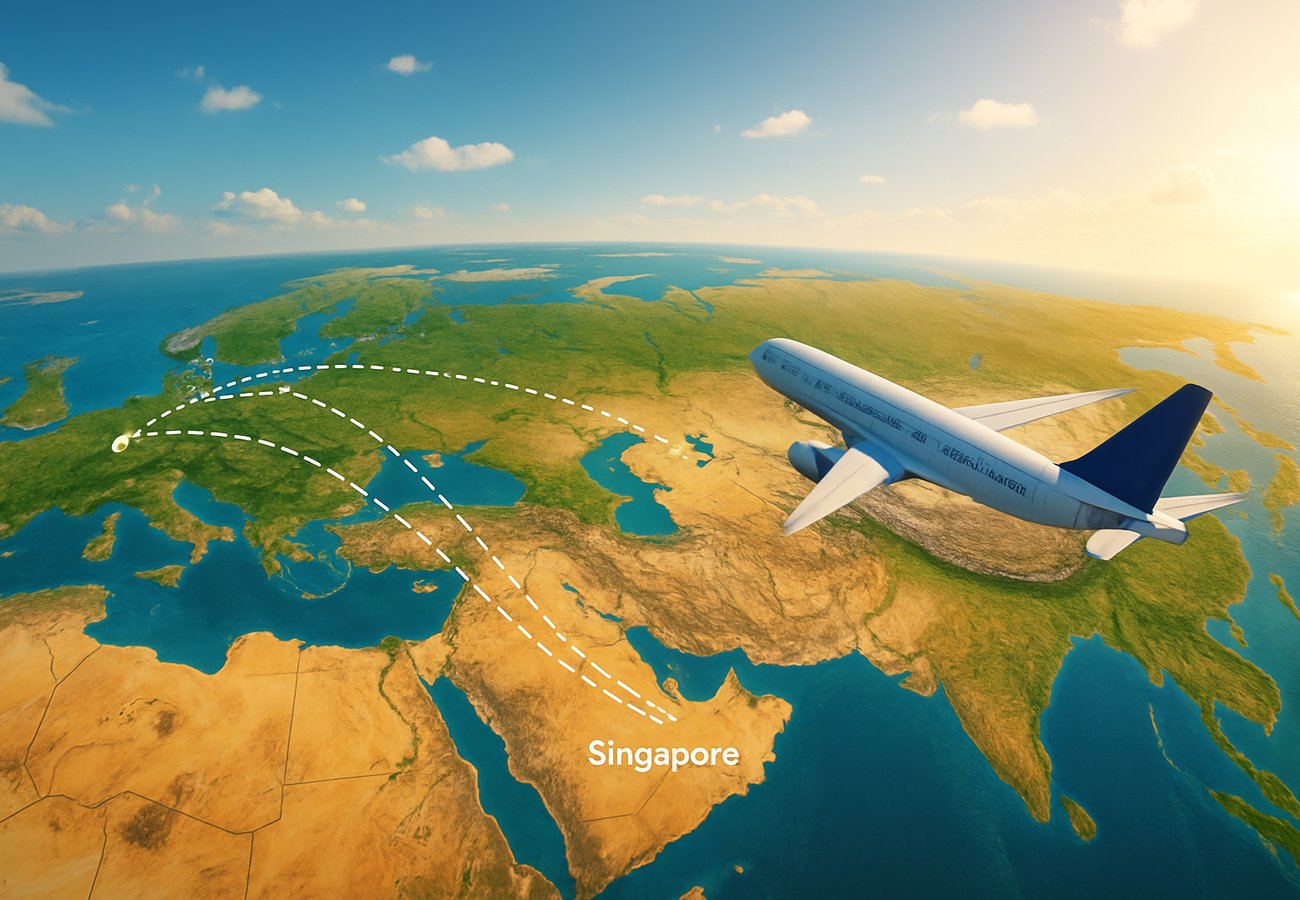
Image generated by AI
Airlines Reshape Asia-Europe Connectivity: Hong Kong Routes Bypass Middle East Amid Geopolitical Shifts
As summer travel demand surges between Hong Kong and Europe, airlines and passengers are rapidly adapting to changing aviation dynamics shaped by ongoing geopolitical tensions. With parts of Middle Eastern airspace becoming less desirable due to safety concerns and operational complexities, travellers are actively seeking alternative flight routes connecting Asia and Europe. This shift is influencing airline network strategies, pricing structures, and transit hubs across regions like Finland, Singapore, Thailand, and mainland China.
For travellers planning trips to key European destinations such as the United Kingdom, France, Germany, Italy, and Spain, the focus has moved toward non-Middle East flight paths, even if it means longer journey times or higher fares. Airlines are responding with a mix of direct long-haul services and carefully structured one-stop itineraries, reshaping the travel landscape between East Asia and Europe ahead of the peak tourism season.
Strategic Shift: Why Airlines Are Rerouting Asia-Europe Travel
The aviation sector has seen a notable recalibration of routes due to geopolitical tensions affecting traditional corridors. Historically, many Asia-Europe flights relied heavily on Middle Eastern hubs for efficiency and connectivity. However, current conditions have prompted airlines to redesign routes via Northern Asia, Southeast Asia, and direct polar paths.
This shift has significant implications for travellers:
- Flight duration: Increased flying time due to longer routes
- Operational costs: Higher fuel burn and airspace fees
- Ticket pricing: Rising fares, especially for last-minute bookings
According to global aviation analytics, rerouting can add 1–3 hours to long-haul flights, impacting airline scheduling and fleet utilization. For the latest industry data, refer to IATA's official aviation statistics.
Direct Flights: Premium Convenience Comes at a Cost
For travellers prioritizing speed and convenience, direct flights remain the most attractive option. Airlines operating non-stop services from Hong Kong to Europe are witnessing strong demand despite elevated fares.
Key Direct Connectivity Highlights
- Non-stop routes to London, Paris, Amsterdam, and Manchester
- Average flight duration: ~14 hours
- Fares significantly higher due to fuel surcharges and demand spikes
Direct carriers are also carefully navigating airspace to avoid conflict zones, often flying via northern corridors over Central Asia or Russia-adjacent paths, depending on regulations.
Smart One-Stop Alternatives: Balancing Cost and Convenience
For cost-conscious travellers, connecting flights are emerging as a practical solution. Several airlines are offering competitive fares with efficient transit hubs, albeit with longer travel times.
Mainland China Transit Routes: Budget-Friendly Choices
Airlines connecting via major Chinese aviation hubs such as Shanghai, Beijing, and Guangzhou provide economical options:
- Estimated fares: Lower than direct routes
- Travel time: 14–20 hours
- Ideal for: Travellers willing to trade time for savings
These routes benefit from strong domestic connectivity and expanding international networks.
Nordic Efficiency: The Helsinki Advantage
Northern Europe is becoming a preferred transit region, particularly via Finland's capital hub:
- Smooth airport transfers and minimal congestion
- Efficient Schengen entry point
- Connectivity to France, Italy, Spain, Greece, and beyond
This routing is especially attractive for travellers seeking a balanced mix of comfort and efficiency.
Southeast Asia Stopovers: Turning Layovers into Experiences
Transit through Singapore and Thailand is gaining traction, not just for connectivity but also for tourism value.
Singapore Route
- High-frequency flights to Europe
- Opportunity for short city stopovers
- Premium travel experience with strong service standards
Thailand Route
- Extensive European network from Bangkok
- Competitive pricing
- Popular among leisure travellers exploring multi-destination itineraries
These routes typically extend total travel time to around 19 hours, but offer flexibility and travel enrichment opportunities.
European Hub Carriers: Expanding Access Across the Continent
Several European airlines are strengthening their presence on Hong Kong routes, offering both direct and one-stop connectivity.
Key Gateway Cities
| Destination | Features | Travel Time |
|---|---|---|
| Paris, France | Direct flights with onward connections across Europe | 15–20 hours |
| Frankfurt & Munich, Germany | Major aviation hubs linking to multiple EU destinations | 16–22 hours |
| Zurich, Switzerland | Efficient transit with premium services | 17–24 hours |
| London, United Kingdom | Strong connectivity with reduced but steady flight frequency | 18–25 hours |
Estimated travel times range from 15 to 30 hours, depending on layover duration.
What This Means for Travelers
The restructuring of Asia-Europe flight corridors presents both challenges and opportunities for passengers. While longer routes and potential fare increases require careful planning, the diversification of transit hubs offers greater flexibility and alternative travel experiences. Savvy travellers can leverage these changes by booking strategically, considering one-stop options, and exploring stopovers in emerging hub cities.
Travel Planning Intelligence: Booking Strategy in a Volatile Market
With fluctuating fuel prices and shifting routes, travellers are advised to:
- Book well in advance to secure better fares
- Monitor airline updates for schedule changes or cancellations
- Stay flexible with travel dates and transit points
Duration vs. Cost Trade-Off
Travellers must weigh their priorities:
- Direct flights: Faster but more expensive
- Connecting flights: Cheaper but longer
This balance is crucial, especially during peak summer travel months when demand across Europe surges. For real-time flight tracking and route information, check FlightAware's global flight status.
Tourism Impact: Europe Braces for High Asian Inbound Demand
Europe is preparing for a strong influx of Asian travellers, particularly from Hong Kong and other major Asian cities. According to the European Travel Commission, long-haul travel demand from Asia is steadily recovering, with summer 2026 expected to approach pre-pandemic levels.
Key destinations such as:
- France (Paris)
- Italy (Rome, Milan)
- Spain (Madrid, Barcelona)
- Germany (Frankfurt, Munich)
are enhancing tourism infrastructure, digital visa processes, and connectivity to accommodate rising visitor numbers.
Practical Travel Tips: Maximising Comfort on Longer Routes
To adapt to extended flight durations and layovers, travellers should consider:
- Choosing airlines with comfortable seating and inflight amenities
- Opting for transit hubs with efficient immigration processes
- Planning stopovers to explore cities like Singapore or Bangkok
- Carrying essentials for long-haul comfort, including hydration and mobility support
These small adjustments can significantly improve the overall travel experience.
The Bigger Picture: A New Aviation Map for Asia-Europe Travel
The evolving aviation landscape reflects how global events can reshape travel patterns. As airlines continue to refine routes and travellers adapt their preferences, alternative corridors between Asia and Europe are becoming the new norm.
While longer routes and higher costs present challenges, they also open opportunities for multi-destination travel, new transit experiences, and diversified airline choices. For the tourism industry, this transition marks a shift toward resilience and adaptability in global connectivity. For comprehensive travel guidance, consult UNWTO's travel advisories.
Related Travel Guides
- Air Canada Unveils Glowing Hearted Cabin Standard: Premium Lie-Flat Seats, 4K Screens, and Canadian Design on A321XLR and 787-10
- Travel Canada 8646: Air Canada Flight Incident & Support Details
- Aena Airports Reach Record Milestones in Spain, Brazil, and UK as Global Traffic Surges Past 81 Million in Q1 2026
Disclaimer
This article is for informational and educational purposes only. It does not constitute legal, financial, or professional advice. While we strive to provide accurate and up-to-date information, travel policies, regulations, and conditions change rapidly. Always verify information with official sources before making travel decisions. Nomad Lawyer makes no representations about the accuracy, reliability, completeness, or suitability of the information provided. Readers should consult qualified professionals for advice specific to their circumstances. The views expressed in this article are those of the author and do not necessarily reflect the views of Nomad Lawyer.
Kunal K Choudhary
Co-Founder & Contributor
A passionate traveller and tech enthusiast. Kunal contributes to the vision and growth of Nomad Lawyer, bringing fresh perspectives and driving the community forward.
Learn more about our team →