
Boeing Already Built 20+ 777-9 Aircraft Ahead of 2027 Service Launch
Boeing has already constructed over 20 Boeing 777-9 aircraft despite a seven-year delay pushing commercial service to 2027. Learn what this means for long-haul travel.

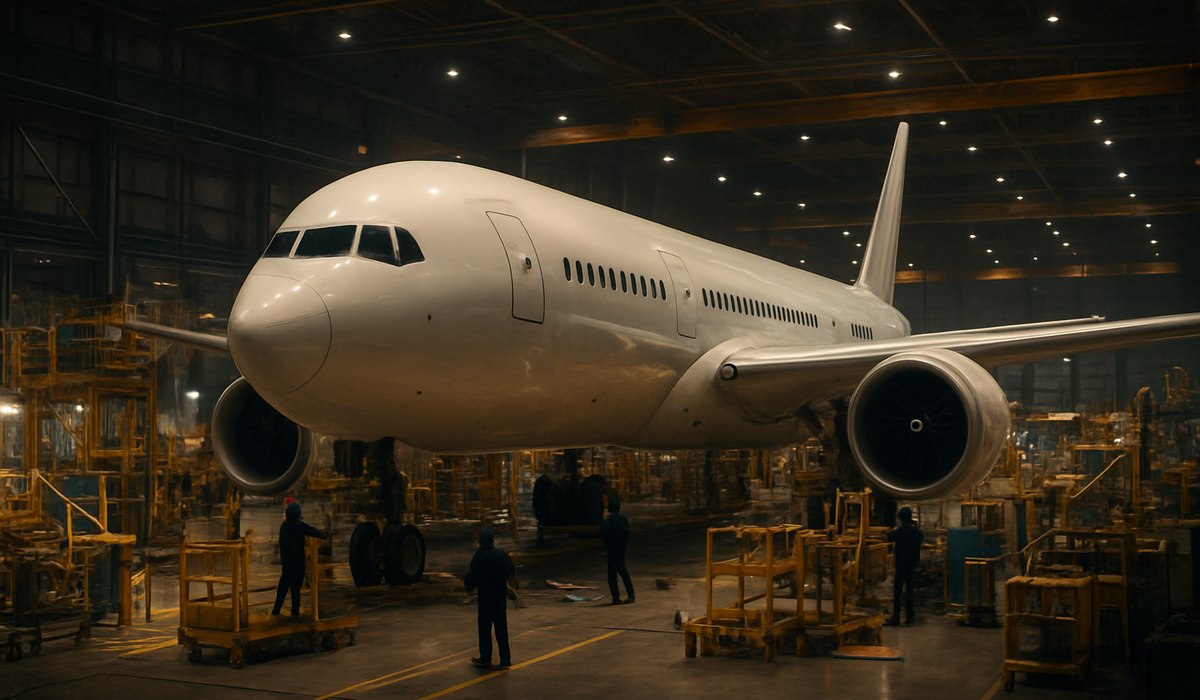
Image generated by AI
Boeing's Massive 777-9 Pre-Production Push Ahead of 2027 Launch
Boeing has already constructed over 20 examples of the 777-9 aircraft, despite a significant seven-year delay to its commercial debut scheduled for 2027. The aircraft manufacturing giant is racing to prepare its revolutionary widebody jet for airlines worldwide. This aggressive pre-production strategy signals Boeing's confidence in the aircraft's market demand and its commitment to meeting carrier needs upon service entry. The 777-9 represents a watershed moment for long-haul aviation, combining cutting-edge technology with enhanced passenger comfort. Airlines including United States carriers have pre-ordered substantial quantities of this next-generation widebody.
Why Is Boeing Pre-Building 777-9 Aircraft?
The decision to construct aircraft before commercial certification speaks to Boeing's strategic confidence in the 777-9 program. Manufacturing multiple examples ahead of service entry allows the company to streamline delivery pipelines once regulatory approval arrives. Airlines place orders years in advance, creating massive backlogs that pre-production addresses directly.
Boeing faces competitive pressure from Airbus's A350 program, which has dominated the widebody market. By stockpiling 777-9 aircraft, Boeing positions itself to capture market share immediately upon certification. The pre-built inventory reduces delivery delays that historically frustrated carriers. This approach also demonstrates manufacturing capability to hesitant customers concerned about execution timelines following previous program delays.
The aircraft features innovative fold-wing technology, allowing operations from airports worldwide despite its massive 135-foot wingspan. Quality assurance testing requires extended evaluation periods, making advance production essential for maintaining 2027 targets.
What Makes The 777-9 Revolutionary For Long-Haul Travel?
The 777-9 represents a generational leap in widebody aircraft design. It combines the proven 777 platform with entirely new engines, wings, and avionics systems. Passengers benefit from larger windows, improved cabin pressurization, and quieter cabins than previous-generation aircraft.
Airlines appreciate the 777-9's exceptional fuel efficiency, reducing operating costs by approximately 10-12% compared to today's widebodies. The aircraft seats up to 416 passengers in high-density configurations, maximizing revenue per flight. Enhanced range capabilities enable non-stop routes previously requiring intermediate stops.
The fold-wing mechanism represents engineering innovation allowing the aircraft to use existing airport infrastructure despite its 135-foot wingspan. This compatibility eliminates expensive airport upgrades that typically accompany new widebody introductions. Cargo operators especially value the 777-9 freighter variant, with major carriers pre-ordering dozens of examples for transcontinental routes.
Sustainability considerations favor the 777-9, which reduces carbon emissions per available ton-mile below comparable aircraft. Airlines targeting net-zero commitments view the aircraft as essential fleet modernization. Learn more about modern aviation technology through resources like the FAA's aircraft certification process.
When Will Airlines Begin Operating The 777-9?
Commercial service entry remains targeted for 2027, representing a seven-year slip from original timelines. Boeing continues final certification testing with aviation authorities in the United States and internationally. The Federal Aviation Administration must approve the aircraft before domestic operators commence revenue service.
Initial deliveries will concentrate on carriers with largest pre-orders, including major United States-based airlines and international operators. Launch customers possess agreements guaranteeing priority positioning in delivery queues. Route planning for 777-9 operations emphasizes long-haul international corridors where the aircraft's 8,700+ nautical mile range provides maximum advantage.
Airlines are simultaneously preparing crew training programs, maintenance facilities, and spare parts inventories. The phased introduction means early routes will likely connect major hubs across transcontinental and transpacific markets. Monitor FlightAware for updates on 777-9 test flight schedules and progress updates from Boeing.
How Does Pre-Production Construction Impact The Aviation Industry?
Boeing's decision to manufacture aircraft ahead of certification affects suppliers, maintenance providers, and airport operators globally. Component manufacturers ramp production to meet assembly requirements, creating employment across supply chains. This approach reduces idle time at manufacturing facilities, improving economic efficiency.
Airport infrastructure planning accelerates as carriers prepare for aircraft arrivals. Maintenance organizations worldwide hire specialized technicians for 777-9 support. Simulator manufacturers develop training equipment for pilot qualification requirements.
The strategy carries execution risk—if certification encounters unexpected obstacles, Boeing faces warehouse storage costs for completed aircraft. Market demand could shift, leaving inventory stranded. However, historical pre-orders suggest strong customer demand justifies the approach. Regulatory bodies benefit from extended testing periods that advance production timelines provide. Industry observers view Boeing's commitment as acknowledgment that the 777-9 addresses genuine airline needs.
Key Data Table: 777-9 Program Milestones and Specifications
| Specification | Details |
|---|---|
| Aircraft Type | Wide-body, twin-engine jet |
| Manufacturer | The Boeing Company (United States) |
| Commercial Entry Date | 2027 (originally 2020) |
| Initial Delay | Seven years from original timeline |
| Pre-Built Examples | Over 20 aircraft currently in production |
| Passenger Capacity | Up to 416 in high-density configuration |
| Maximum Range | 8,700+ nautical miles |
| Wing Span (Folded) | 135 feet (innovative fold technology) |
| Fuel Efficiency Gain | 10-12% improvement vs. current widebodies |
| Primary Markets | Long-haul international routes |
| Certification Status | Final testing with FAA ongoing |
What This Means For Travelers
The 777-9's imminent arrival will transform long-haul travel experiences. Passengers booking 2027 and beyond will enjoy substantially improved comfort, larger windows, and superior cabin environments. Airlines operating the aircraft will offer more frequent service on premium routes, increasing booking options.
Route expansion becomes possible as 777-9 economics support new long-haul connections. Business travelers benefit from widened cabins and enhanced premium cabin designs. Economy passengers enjoy improved seat pitch and cabin pressurization that reduces fatigue on extended flights.
Ticket prices may stabilize as supply increases, though premium cabin fares could rise reflecting enhanced amenities. Frequent flyer programs will introduce 777-9-specific benefits as carriers showcase their newest aircraft. International travelers should anticipate faster bookings for 777-9 flights due to high demand.
Traveler Action Checklist:
- Monitor your preferred airline's 2027 route announcements for 777-9 service launches
- Join carrier loyalty programs to access priority booking for new aircraft deployments
- Subscribe to airline email alerts about new long-haul routes launching with 777-9s
- Check US DOT's airline consumer protection resources for passenger rights on new aircraft services
- Review seat selection options when booking—777-9 cabins feature reconfigured seating
- Prepare passport documentation early, as new routes may launch unexpectedly
- Compare fares across 2026 and 2027 to identify optimal booking windows before demand peaks
FAQ: Boeing 777-9 Questions Travelers Ask
What's the difference between the 777X and 777-9? The 777X is the program name for Boeing's widebody family. The 777-9 is the largest variant, featuring extended fuselage and wings. A smaller 777-8 variant also exists for slightly shorter-range applications.
Will existing 777 aircraft become obsolete? Current 777 models will continue operating for 20+ years. Airlines phase in new aircraft gradually. Older 777s will transition to secondary routes or be retired as carriers upgrade fleets systematically.
**Can I fly on a 777-9 in
Disclaimer
This article is for informational and educational purposes only. It does not constitute legal, financial, or professional advice. While we strive to provide accurate and up-to-date information, travel policies, regulations, and conditions change rapidly. Always verify information with official sources before making travel decisions. Nomad Lawyer makes no representations about the accuracy, reliability, completeness, or suitability of the information provided. Readers should consult qualified professionals for advice specific to their circumstances. The views expressed in this article are those of the author and do not necessarily reflect the views of Nomad Lawyer.
Kunal K Choudhary
Co-Founder & Contributor
A passionate traveller and tech enthusiast. Kunal contributes to the vision and growth of Nomad Lawyer, bringing fresh perspectives and driving the community forward.
Learn more about our team →