
Bikepacking Camping Surges as America's Premier Outdoor Adventure Trend
Bikepacking camping combines two-wheeled exploration with backcountry overnight stays, attracting thousands of adventurers across America's most scenic cycling corridors in 2026.

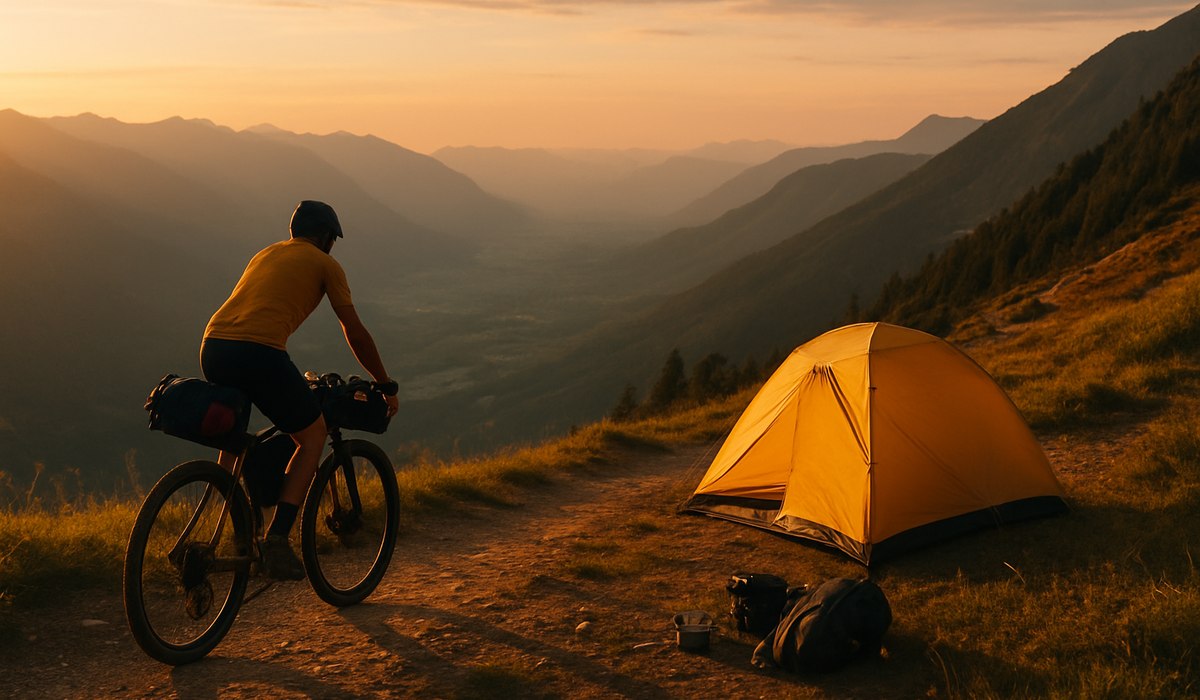
Image generated by AI
Bikepacking Camping Explodes as America's Hottest Outdoor Trend
Bikepacking camping is reshaping how Americans explore the nation's most spectacular natural landscapes. This hybrid adventure discipline merges bicycle touring with wilderness camping, allowing travelers to access remote destinations unreachable by foot alone. From Colorado's high-altitude passes to the Pacific Coast's dramatic bluffs, thousands of adventurers are pedaling into America's backcountry with minimalist gear and maximalist ambitions. The movement represents a fundamental shift in how outdoor enthusiasts approach travel, sustainability, and exploration during 2026.
What Is Bikepacking Camping?
Bikepacking differs fundamentally from traditional bicycle touring. While touring cyclists often follow established roads and stay in accommodations, bikepacking participants carry everything needed for wilderness camping on specially designed bicycles or mountain bikes. Riders pack ultralight gear into frame bags, seat bags, and handlebar rolls—distributing weight efficiently for off-road performance. The practice emphasizes self-sufficiency, minimal environmental impact, and intimate connection with landscapes traversed. Many practitioners combine gravel roads, singletrack trails, and forest service routes into multi-day journeys. Unlike car camping, bikepacking camping requires cyclists to remain active throughout their adventure, generating a unique sense of accomplishment and physical engagement with terrain.
Why Americans Are Embracing This Outdoor Adventure Movement
The surge in bikepacking camping popularity stems from converging cultural and practical factors. Post-pandemic travelers seek solitary or small-group adventures that minimize crowding at traditional campgrounds. The activity aligns perfectly with sustainability-conscious values, eliminating vehicle emissions while reducing carbon footprints compared to RV-based camping. Bikepacking camping also democratizes backcountry access—many scenic routes cost nothing and require no permits. Equipment manufacturers have capitalized on this momentum, developing specialized bikepacking gear that makes the pursuit more accessible to beginners. According to cycling exploration advocates, this trend appeals to people who want transformative outdoor experiences without technical climbing expertise or mountaineering certifications required for alpine hiking.
Best U.S. Routes for Bikepacking Adventures
Several American corridors have emerged as premier bikepacking camping destinations. The Kokopelli Trail in Utah and Colorado offers stunning desert geology across 142 miles of manageable terrain. California's Lost Coast Trail Bikepacking Route combines redwood forests with Pacific Ocean vistas, challenging experienced riders with technical descents. Montana's Great Divide Mountain Bike Route stretches 2,745 miles from Canada to Mexico, accommodating segment-based adventures. The Katy Trail State Park in Missouri provides beginner-friendly bikepacking camping opportunities through pastoral Americana landscapes. Eastern options include Pennsylvania's Ghost Town Trail, featuring converted railroad beds and primitive camping access. The Arizona Trail offers diverse elevation zones and desert solitude for intermediate cyclists. Many routes now feature dedicated bikepacking camping infrastructure, including designated fire rings and water sources at established intervals.
Essential Gear and Preparation Tips
Successful bikepacking camping requires careful equipment selection prioritizing lightweight functionality. A quality gravel bike or hardtail mountain bike forms the foundation, paired with frame bags, seat bags, and handlebar rolls for load distribution. Ultralight tents weighing under two pounds protect against elements without sacrificing packability. Sleeping systems combining rated sleeping bags with insulated pads prevent heat loss in cool mountain nights. Water filtration systems eliminate dependence on designated sources, expanding route flexibility. Multi-tool kits address mechanical issues in remote locations where bike shops don't exist. Navigation tools—GPS devices or waterproof map cases—prevent disorientation on unmarked sections. Cyclists should practice camping setups before embarking on multi-day journeys. Physical conditioning through graduated training rides builds endurance for sustained pedaling with loaded equipment.
| Aspect | Details | Typical Weight | Cost Range |
|---|---|---|---|
| Bikepacking Bike | Gravel or hardtail mountain bike | 28-32 lbs | $1,200-$3,500 |
| Shelter System | Ultralight tent with footprint | 2-3 lbs | $300-$800 |
| Sleep System | Sleeping bag + insulated pad | 2-4 lbs | $400-$1,200 |
| Cooking Setup | Lightweight stove + pot + utensils | 1-2 lbs | $80-$200 |
| Water System | Filter + bottles/hydration bladder | 1.5 lbs | $50-$150 |
| Navigation | GPS device or map case | 0.3-0.5 lbs | $50-$400 |
| Total Base Weight | Without food/water/clothing | 35-45 lbs | $2,500-$6,500 |
What This Means for Travelers
Bikepacking camping represents a significant opportunity for adventurers seeking authentic outdoor engagement:
-
Plan multi-day itineraries on established routes like the Kokopelli Trail or Great Divide Mountain Bike Route, starting with 2-3 day segments before committing to longer expeditions.
-
Invest in proper equipment gradually—prioritize a reliable gravel bike and sleeping system before accumulating specialized bikepacking bags and accessories.
-
Research route conditions through cycling exploration communities and official trail databases, noting water availability, elevation profiles, and seasonal closures before departure.
-
Build physical conditioning through 3-4 months of regular cycling training, progressively increasing distance and loaded weight to prevent injury on multi-day journeys.
-
Join local bikepacking camping communities on platforms like Bikepacking.com forums to gain route recommendations, gear advice, and safety information from experienced practitioners.
-
Consider guided adventures if you lack experience, booking packaged bikepacking trips through outfitters providing support vehicles and established camping areas.
Frequently Asked Questions
Is bikepacking camping suitable for beginners?
Yes, beginners should start with shorter routes (under 50 miles) on maintained gravel roads. Building skills gradually on easy terrain before attempting technical mountain trails prevents overextension. Many resources exist for learning bikepacking camping fundamentals without expensive guides.
What season offers optimal bikepacking camping conditions?
Late spring through early fall (May-September) provides mild temperatures and reliable weather for most American routes. Regional variations matter—desert routes work year-round, while mountain passes remain snow-blocked until June.
How much daily mileage should bikepacking camping trips include?
Conservative estimates suggest 30-50 miles daily for loaded riding, balancing exploration time with camp setup and rest requirements. Experienced cyclists on gravel roads might comfortably cover 60+ miles daily.
What permits or permissions are required for bikepacking camping adventures?
Most established bikepacking routes cross public lands requiring no permits. However, some national forests mandate notifications. Always verify regulations with local agencies before embarking on cycling exploration projects.
Related Travel Guides
- Toronto Pearson Airport Hits Massive Travel Setback as Air Canada and Jazz Aviation Cancel 13 Flights Disrupting North American Routes
- Boeing 787 Dreamliner's Advanced Turbulence System Reshapes Aircraft Safety Standards in Modern Aviation
- Inside the Hidden World of Ultra-Long-Haul Aviation: How Airlines Keep Crews Alert on 18+ Hour Flights
Disclaimer
This article covers bikepacking camping trends and general practices for informational purposes. Information reflects conditions as of May 2026. Always verify current trail conditions, permit requirements, and seasonal closures through official sources like the National Forest Service, Bureau of Land Management, and local park agencies. Consult with experienced cyclists and outfitters before attempting challenging routes. Individual fitness, experience levels, and equipment capabilities vary significantly—assess personal limitations honestly before embarking on bikepacking camping
Disclaimer
This article is for informational and educational purposes only. It does not constitute legal, financial, or professional advice. While we strive to provide accurate and up-to-date information, travel policies, regulations, and conditions change rapidly. Always verify information with official sources before making travel decisions. Nomad Lawyer makes no representations about the accuracy, reliability, completeness, or suitability of the information provided. Readers should consult qualified professionals for advice specific to their circumstances. The views expressed in this article are those of the author and do not necessarily reflect the views of Nomad Lawyer.
Raushan Kumar
Founder & Lead Developer
Full-stack developer with 11+ years of experience and a passionate traveller. Raushan built Nomad Lawyer from the ground up with a vision to create the best travel and law experience on the web.
Learn more about our team →