
Best Time to Visit Montenegro 2026: Seasonal Guide to Adriatic Beaches and Highland Hiking
Maximize your Montenegro trip by timing your visit to avoid peak August crowds while ensuring Adriatic waters are warm and Durmitor hiking trails are snow-free.

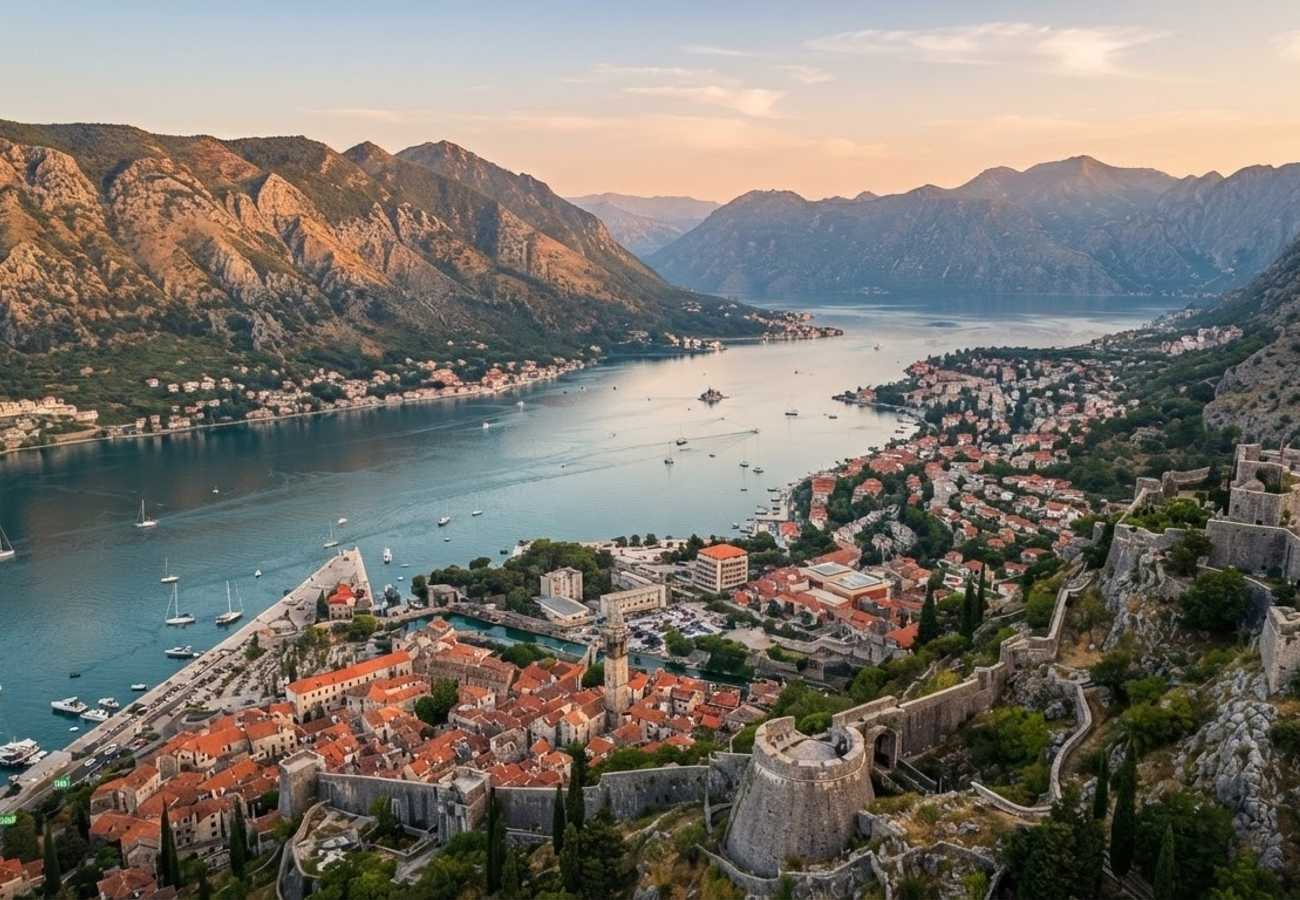
Image generated by AI
Montenegro's geography creates a stark divide between its Mediterranean coastline and Alpine interior. Timing a visit is not merely about weather, but about accessibility; the window for swimming in the Adriatic differs significantly from the window for trekking in the Prokletije mountains.
Regional Climate Dynamics
Montenegro operates under two distinct climate zones. The Adriatic coast and the Bay of Kotor follow a classic Mediterranean pattern: hot, dry summers and mild, wetter winters. In contrast, the highlands—including Durmitor National Park and the Bjelasica and Prokletije ranges—experience an Alpine climate characterized by cooler summers and heavy winter snowfall that often persists on high-altitude trails into June.
Our analysis of the regional temperature variance is most evident when comparing coastal hubs to mountain bases:
- Budva Riviera (July): Daytime highs frequently exceed 30°C.
- Žabljak (July): Located at 1,450 meters above sea level, typical summer highs hover in the low 20s, providing an ideal environment for trekking to Bobotov Kuk or Black Lake without heat exhaustion.
Seasonal Operational Windows
The availability of tourism infrastructure fluctuates sharply by region and month. From mid-May to late September, coastal hotels, beach clubs, and tour operators operate at full capacity. However, many seaside businesses begin winding down in the second half of September, with some closing entirely by early October.
In the interior, the calendar shifts:
- Hiking: Most high-altitude routes are only fully accessible from June to September.
- Winter Sports: Ski areas in Durmitor and Kolašin are active from late December through March.
Coastal Seasonality and Water Temperatures
For travelers prioritizing the beach, the primary window runs from late May to late September.
- Early Season (June): Water temperatures around Bar, Budva, and Kotor typically reach the low 20s Celsius.
- Peak Season (July–August): Sea temperatures in the Bay of Kotor and the Budva Riviera climb several degrees higher.
- Regional Variance: The sheltered waters of Kotor and Perast warm faster than the open sea, making them viable for swimming by late May. The long sandy stretch of Velika Plaža near Ulcinj absorbs heat rapidly, often feeling like a full summer resort by the first half of June.
Infrastructure and Crowd Density
Beach services, including sunbed rentals and water sports, generally launch in May but reach full operational capacity in June. August represents the peak of congestion; at Slovenska Beach in Budva or the Kotor old town strips, loungers are often fully occupied by mid-morning.
The High Season Impact: July and August
July and August provide guaranteed sunshine and a vibrant event calendar, but they come with significant logistical trade-offs. Coastal temperatures often exceed 30°C, with heatwaves pushing mid-30s in urban areas like Budva.
Key High-Season Events:
- KotorArt Festival: Runs through July and August, featuring classical concerts and theater.
- Jaz Beach Electronic Music Festival: Typically occurs in late August and early September.
- Ulcinj Beach Parties: Themed DJ nights are frequent along Velika Plaža.
From a logistical perspective, this window is the most challenging. Waterfront apartments in Kotor and hotels near Mogren Beach in Budva frequently sell out weeks in advance. Budget travelers will find that rates can double compared to May or October, and hosts often enforce stricter minimum-stay requirements.
Regional Comparison Data
| Region | Peak Activity Window | Avg. Summer High | Primary Draw | Key Challenge |
|---|---|---|---|---|
| Adriatic Coast | June – September | 29°C to 32°C | Beaches & Nightlife | Extreme August Crowds |
| Bay of Kotor | May – September | 25°C to 30°C | Sightseeing & Cruising | Cruise Ship Congestion |
| Highlands | June – September | Low 20s°C | Hiking & Nature | Late Snow (until June) |
| Ski Resorts | December – March | Below 0°C | Skiing/Snowboarding | Limited Off-Season Access |
Why This Matters: Industry Analysis
For the modern traveler, the "peak" season in Montenegro is becoming a bottleneck. The concentration of cruise ship arrivals in Kotor and the surge of regional tourists in Budva during August create a diminished experience characterized by traffic jams and inflated pricing.
Our analysis suggests a strategic shift toward the "shoulder" months of May, June, and September. During these periods, the Adriatic remains warm enough for swimming, but the "towel struggle" for beach space vanishes. Furthermore, the price delta is significant; coastal apartment rates in Kotor, Budva, and Ulcinj often drop precipitously by mid-September once school holidays end.
For those combining coast and mountains, the ideal itinerary must be sequenced. Visiting the highlands in May is risky due to lingering snow, whereas a September trip allows for warm sea swims followed by crisp, accessible mountain trekking.
Forward Outlook
Expect continued growth in the "digital nomad" and "slow travel" sectors in Montenegro, which will likely push demand further into the shoulder seasons. As infrastructure improves in the interior, Žabljak and Kolašin may see a shift toward year-round viability, reducing the extreme seasonality currently seen in the coastal regions.
Timing is the difference between a crowded beach chair and a private cove.
Related Travel Guides
Disclaimer
This article is for informational and educational purposes only. It does not constitute legal, financial, or professional advice. While we strive to provide accurate and up-to-date information, travel policies, regulations, and conditions change rapidly. Always verify information with official sources before making travel decisions. Nomad Lawyer makes no representations about the accuracy, reliability, completeness, or suitability of the information provided. Readers should consult qualified professionals for advice specific to their circumstances. The views expressed in this article are those of the author and do not necessarily reflect the views of Nomad Lawyer.
Preeti Gunjan
Contributor & Community Manager
A passionate traveller and community builder. Preeti helps grow the Nomad Lawyer community, fostering engagement and bringing the reader experience to life.
Learn more about our team →