
10 Best Roman Ruins Worldwide: Iconic Sites from Pompeii to Ephesus Attracting Millions in 2026
Explore the world's most spectacular Roman ruins—from the Colosseum's 80,000-seat arena to Pompeii's ash-preserved streets. A complete guide to 10 must-visit archaeological sites.

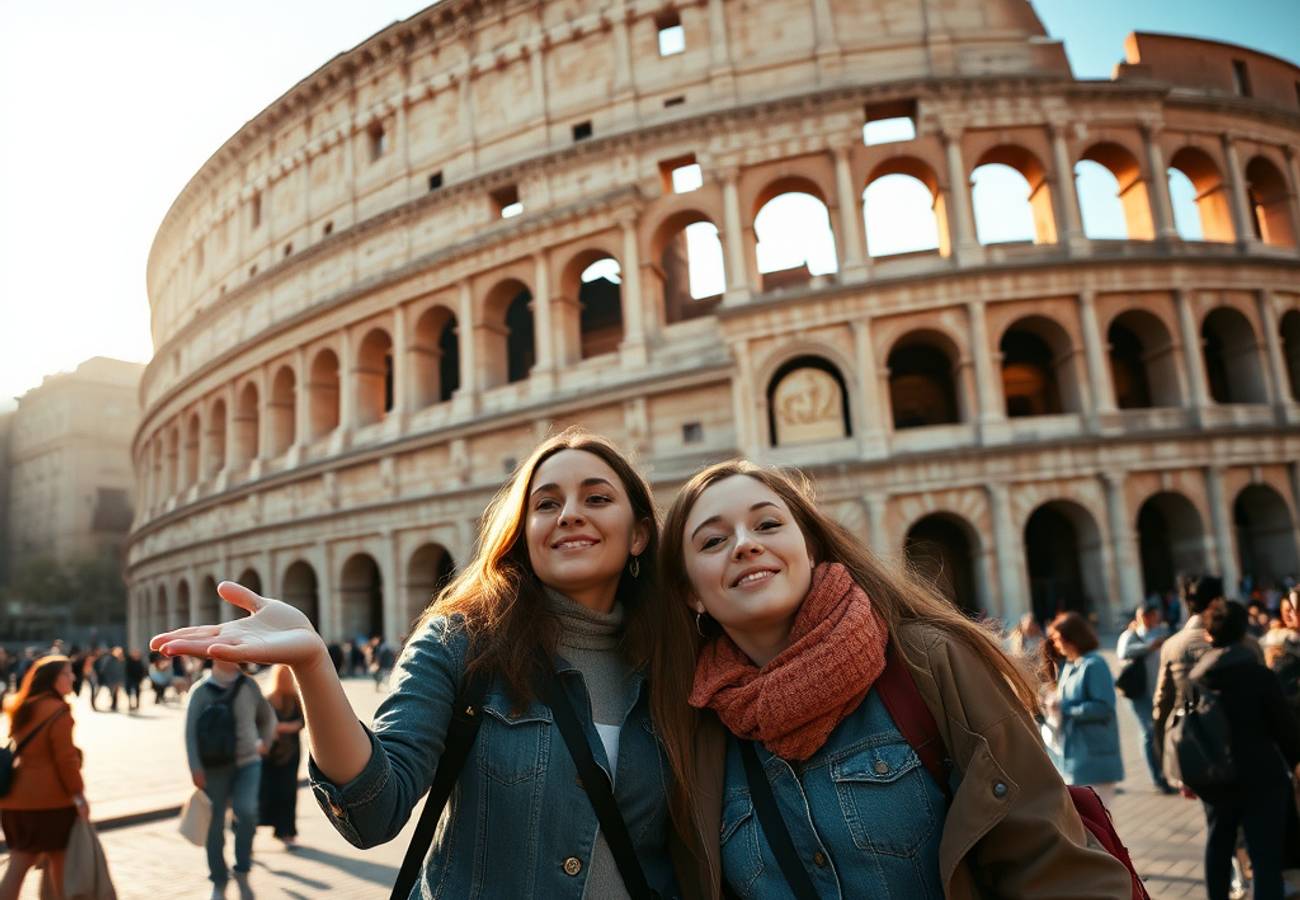
Image generated by AI
The Roman Empire stretched across three continents and left behind some of the most breathtaking monuments ever constructed. Today, these ruins tell stories of gladiatorial combat, engineering marvels, and daily life frozen in time by volcanic ash. Whether you're a history buff or simply curious about humanity's greatest civilizations, these ten sites rank among the world's most important archaeological treasures.
The Colosseum: Rome's Ultimate Amphitheater
The Colosseum stands as the most recognizable Roman ruin on the planet. Completed in 80 AD, this iconic amphitheater could accommodate up to 80,000 spectators for gladiator battles and wild animal hunts. What's truly astounding isn't just its scale—it's the engineering beneath the surface.
The underground hypogeum reveals an intricate network of tunnels and chambers where gladiators waited for battle and stage crews operated complex lifting mechanisms to raise props and animals into the arena. Recent restoration work has opened previously hidden sections, offering visitors an unprecedented look at ancient Roman ingenuity.
Reddit: "Standing in front of the Colosseum hits different in person. The sheer size and history is overwhelming." — r/travel
Pompeii: A City Frozen in Time
When Mount Vesuvius erupted on August 24, 79 AD, it didn't destroy Pompeii—it preserved it. The volcanic ash created a perfect time capsule, keeping the ancient city remarkably intact for nearly 2,000 years.
Walking through Pompeii's stone streets feels like stepping into someone's home yesterday. You'll see intact bakeries with bread still in ovens (archaeologists discovered 81 carbonized loaves), elaborate frescoes on house walls, and the Forum where citizens once gathered. The Roman Baths showcase sophisticated plumbing that rivals modern standards. For the best experience, visit early morning during spring or fall when temperatures are coolest and crowds are thinnest.
Hadrian's Wall: England's 73-Mile Frontier
Stretching 73 miles across northern England, Hadrian's Wall represents one of the Roman Empire's most ambitious defensive projects. Construction began in 122 AD under Emperor Hadrian's orders, creating a barrier that housed thousands of soldiers protecting the frontier against northern tribes.
Today's hiking trails follow sections of the original wall, offering panoramic views across rolling countryside. Housesteads Roman Fort, one of the best-preserved installations along the wall, contains fascinating artifacts including leather shoes, writing tablets with military reports, and personal letters that humanize soldiers stationed at this remote outpost.
Pont du Gard: France's Engineering Triumph
At 160 feet tall, the Pont du Gard near Nîmes, France was the highest bridge ever constructed by the Roman Empire. This three-tiered aqueduct delivered fresh water to the city through an ingenious system of 52 remarkably structured arches.
You can walk across the top tier—the original water channel—and grasp the sheer scale of Roman hydraulic engineering. Bring a picnic and enjoy views from the Gardon River banks for a perspective that truly captures the monument's grandeur.
Ephesus: Classical Grandeur in Turkey
The Library of Celsus in Ephesus, Turkey remains one of the world's most photogenic ancient structures. This wealthy Roman city also housed the Temple of Artemis (one of the Seven Wonders of the Ancient World) and a magnificent theatre capable of holding thousands of spectators.
Marble-paved streets wound past terraced houses decorated with intricate mosaics and frescoes. Ephesus sprawls across uneven terrain, so comfortable walking shoes and water are essential for exploring this sprawling archaeological wonder.
Roman Theatre of Orange: A Living Relic
Built around 40 BC by soldiers of the Second Legion during Julius Caesar's conquest of Gaul, the Roman Theatre of Orange in France's Rhone Valley defies age. Its 10,000-seat capacity and remarkable acoustics mean performers can be heard clearly without microphones—the theatre still hosts festivals, operas, and light shows today.
This isn't just a museum piece. It's a functioning venue where visitors experience theatre much as ancient Romans did, making it one of the world's best-preserved Roman structures.
Diocletian's Palace: Croatia's Living Monument
Emperor Diocletian built his retirement palace around 305 AD in Split, Croatia, creating a hybrid structure combining villa, fortress, and fortification. What makes Diocletian's Palace extraordinary is its transformation: today, thousands of residents and workers live and conduct business within the ancient walls.
This unique combination of archaeological significance and living community creates an enticing blend of ancient heritage and modern Mediterranean life. The basement chambers are particularly worth exploring for their scale and historical importance.
Ostia Antica: Rome's Port City
Located near Rome, Ostia Antica served as the empire's primary port. Walking this archaeological site means decoding intricate mosaics, examining warehouse complexes that stored grain shipments, and understanding the commercial networks that sustained Rome's 1 million inhabitants.
Hadrian's Villa: Imperial Retreat Near Rome
Just outside Rome, Emperor Hadrian's sprawling retreat showcases his architectural ambitions. This massive villa complex features Greek statuary, reflecting pools, and theatre spaces that transported visitors to the height of Roman luxury and innovation.
The Roman Forum: Rome's Civic Center
The Roman Forum served as ancient Rome's political, commercial, and social heart. Walking among its remaining columns and archways, you witness where senators debated, merchants negotiated, and citizens gathered for centuries. For comprehensive historical context on Roman governance and law, consult UNESCO's World Heritage resources.
Planning Your Roman Ruins Adventure
Most of these sites require comfortable walking shoes, plenty of water, and sun protection. Early morning visits typically offer smaller crowds and cooler temperatures. Consider hiring archaeologist-led guides who bring centuries-old stones to life with detailed narratives about daily life, engineering achievements, and historical events.
These crumbling stones speak louder than any textbook—book your ticket today.
Related Travel Guides
Disclaimer
This article is for informational and educational purposes only. It does not constitute legal, financial, or professional advice. While we strive to provide accurate and up-to-date information, travel policies, regulations, and conditions change rapidly. Always verify information with official sources before making travel decisions. Nomad Lawyer makes no representations about the accuracy, reliability, completeness, or suitability of the information provided. Readers should consult qualified professionals for advice specific to their circumstances. The views expressed in this article are those of the author and do not necessarily reflect the views of Nomad Lawyer.
Raushan Kumar
Founder & Lead Developer
Full-stack developer with 11+ years of experience and a passionate traveller. Raushan built Nomad Lawyer from the ground up with a vision to create the best travel and law experience on the web.
Learn more about our team →