
Vieques Beach Market Analysis 2026: Comparing Wildlife Refuge vs. Developed Coastlines
An analytical breakdown of Vieques' beach infrastructure and accessibility, contrasting the Vieques National Wildlife Refuge's raw appeal with the developed amenities of Sun Bay and Esperanza.

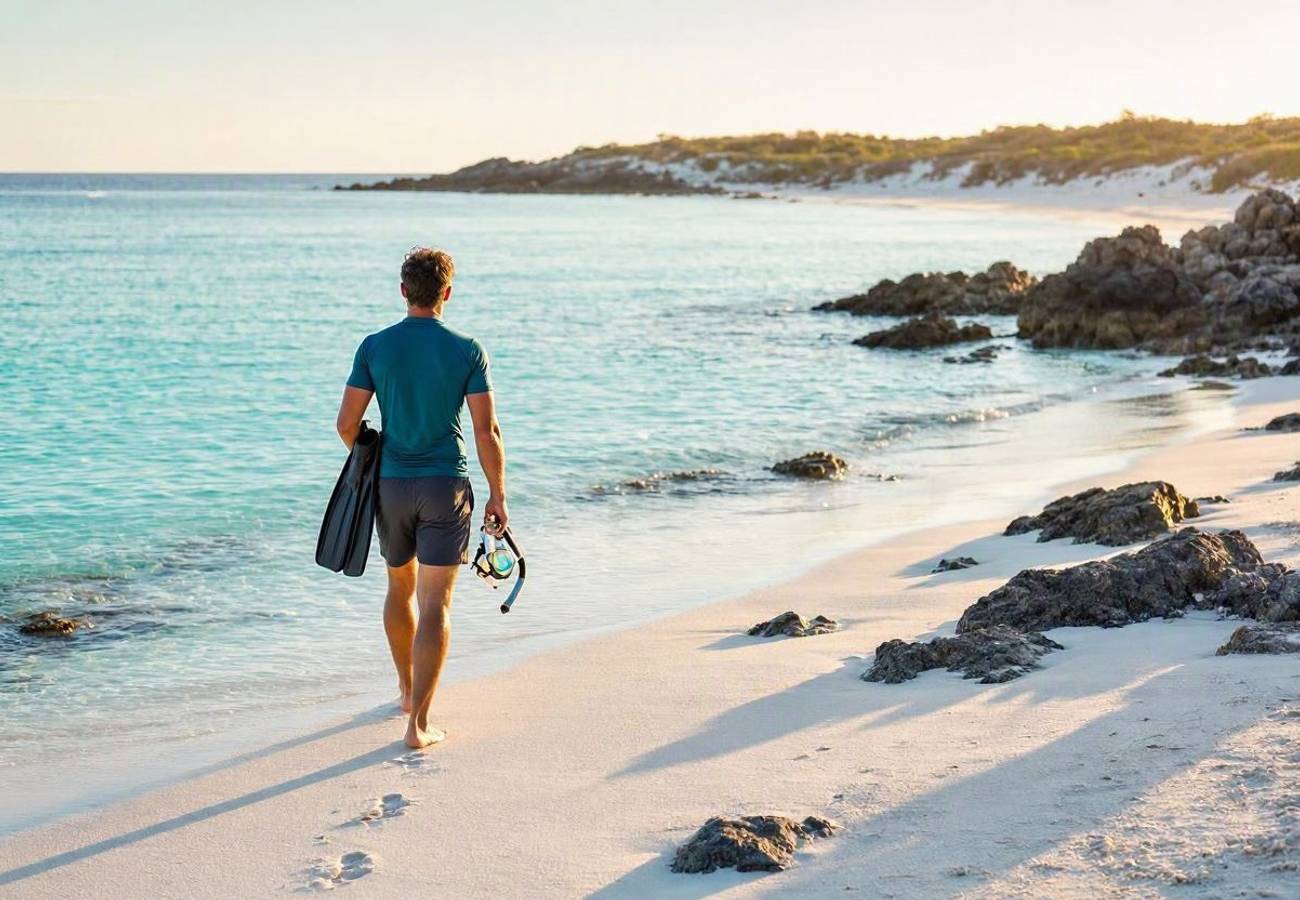
Image generated by AI
Visitor distribution in Vieques has shifted toward a bifurcated model, where 2026 data shows a stark divide between those seeking "managed" tourism at Balneario Sun Bay and those opting for "raw" experiences within the Vieques National Wildlife Refuge. This divergence signals a broader trend in Caribbean travel: the rise of the "nature-first" traveler who prioritizes ecological authenticity over traditional resort amenities.
The Infrastructure Gap in Numbers
The Vieques beach ecosystem is not uniform; it is split between high-service hubs and protected wilderness. For the traveler, this means the "cost" of a beach day is measured not just in currency, but in preparation and logistics.
Sun Bay (Balneario Sun Bay) represents the peak of the island's developed infrastructure. It is the primary node for travelers requiring bathrooms, showers, and professional lifeguard staffing. In contrast, the beaches within the Vieques National Wildlife Refuge—specifically Caracas and La Chiva—operate on a near-zero service model. Data indicates that these refuge beaches attract a higher percentage of snorkeling enthusiasts due to superior water clarity, yet they offer virtually no onsite facilities.
The "remote" end of the spectrum is anchored by Punta Arenas (Green Beach) and Playa Negra. While Playa Negra is a high-value asset for photography and hiking due to its rare black volcanic sand, it is a low-value asset for swimming. The current trend shows travelers using Playa Negra as a secondary "sightseeing" stop rather than a primary destination, often pairing it with a visit to the more accessible Esperanza Beach.
Comparative Analysis: Service Levels vs. Natural Value
To understand the trade-offs of each location, one must look at the correlation between accessibility and amenities. The following table breaks down the primary beach categories based on 2026 operational standards.
| Beach Category | Primary Example | Amenity Level | Water Condition | Primary Use Case |
|---|---|---|---|---|
| Developed Hub | Sun Bay | High (Showers/Staff) | Calm/Protected | Families & First-timers |
| Refuge-Managed | Caracas / La Chiva | Low (Basic Picnic) | High Clarity/Cove | Snorkeling & Nature |
| Remote/Wild | Punta Arenas | Minimal/None | Variable/Open | Adventure & Isolation |
| Scenic/Niche | Playa Negra | None | High Current | Photography & Hiking |
This distribution mirrors wider patterns seen in UNWTO (World Tourism Organization) reports, where there is an increasing global demand for "off-the-beaten-path" destinations that maintain strict environmental protections.
What This Means for Travelers
The data suggests that a "one-size-fits-all" approach to a Vieques itinerary will lead to logistical failure. Because the Wildlife Refuge has strict access hours and limited services, booking and scheduling must be precise.
If you are planning a visit in 2026, the following data-backed strategies are essential:
- The "Refuge Window" Strategy: Plan all visits to Caracas, La Chiva, and Navío for the early morning. Water clarity is highest before midday, and you must exit the refuge before the evening closure.
- Equipment Independence: Do not rely on rentals inside the refuge. Bringing your own mask and snorkel is non-negotiable for La Chiva, where the rocky edges provide the best fish sightings.
- The Safety Pivot: If traveling with nervous swimmers or small children, prioritize Sun Bay and Media Luna. The protected-bay geography of these sites significantly reduces the risk associated with the unpredictable shore breaks found at more open coasts.
- Logistical Buffering: For trips to Punta Arenas, ensure a full fuel tank and offline maps. The distance from town conveniences makes these areas high-risk for travelers without a prepared contingency plan.
Projection: The Future of Vieques Tourism
Based on current trajectories, we expect a further increase in the "Eco-Luxury" segment. As travelers move away from the crowded hubs of mainland Puerto Rico, the demand for guided, low-impact tours in the Wildlife Refuge is projected to climb. This will likely lead to a rise in specialized tour operators who bridge the gap between the "raw" nature of the refuge and the need for safety and comfort.
Furthermore, as IATA (International Air Transport Association) tracks shifts in regional connectivity, improved access to Puerto Rico's smaller airports may increase the volume of visitors to Vieques. This puts additional pressure on the U.S. Fish and Wildlife Service, which manages the refuge, to balance tourism growth with the preservation of critical bird habitats and coral reef health.
FAQ: Vieques Beach Trends 2026
Is it safe to swim at Playa Negra? Generally, no. While visually stunning, Playa Negra is characterized by strong currents. It is recommended for hiking and photography. For swimming, pivot to Esperanza Beach or Sun Bay.
Which beach is best for snorkeling without a boat? La Chiva (Blue Beach) is the top choice for shore-entry snorkeling due to its exceptional clarity and rocky structures. Caracas is a strong secondary option for more casual swimmers.
Do I need a 4x4 vehicle to reach the refuge beaches? While some areas are accessible via standard rentals, a Jeep or 4x4 is highly recommended for Navío and Punta Arenas to avoid vehicle damage and ensure reliable access to remote trailheads.
What is the best time to visit the Wildlife Refuge? Early morning is optimal. This ensures you beat the midday heat, capture the best water visibility for snorkeling, and exit the area before the official refuge closing times.
The divide between curated comfort and raw wilderness is what defines the Vieques experience in 2026.
Related Travel Guides
Disclaimer
This article is for informational and educational purposes only. It does not constitute legal, financial, or professional advice. While we strive to provide accurate and up-to-date information, travel policies, regulations, and conditions change rapidly. Always verify information with official sources before making travel decisions. Nomad Lawyer makes no representations about the accuracy, reliability, completeness, or suitability of the information provided. Readers should consult qualified professionals for advice specific to their circumstances. The views expressed in this article are those of the author and do not necessarily reflect the views of Nomad Lawyer.
Preeti Gunjan
Contributor & Community Manager
A passionate traveller and community builder. Preeti helps grow the Nomad Lawyer community, fostering engagement and bringing the reader experience to life.
Learn more about our team →