
Berrylands Station Million Pound Modernization Reshapes Surrey Transit Hub
Berrylands Station secures £6M investment for comprehensive modernization in 2026. Upgraded platforms and passenger facilities improve suburban commuter experience across Surrey rail network.

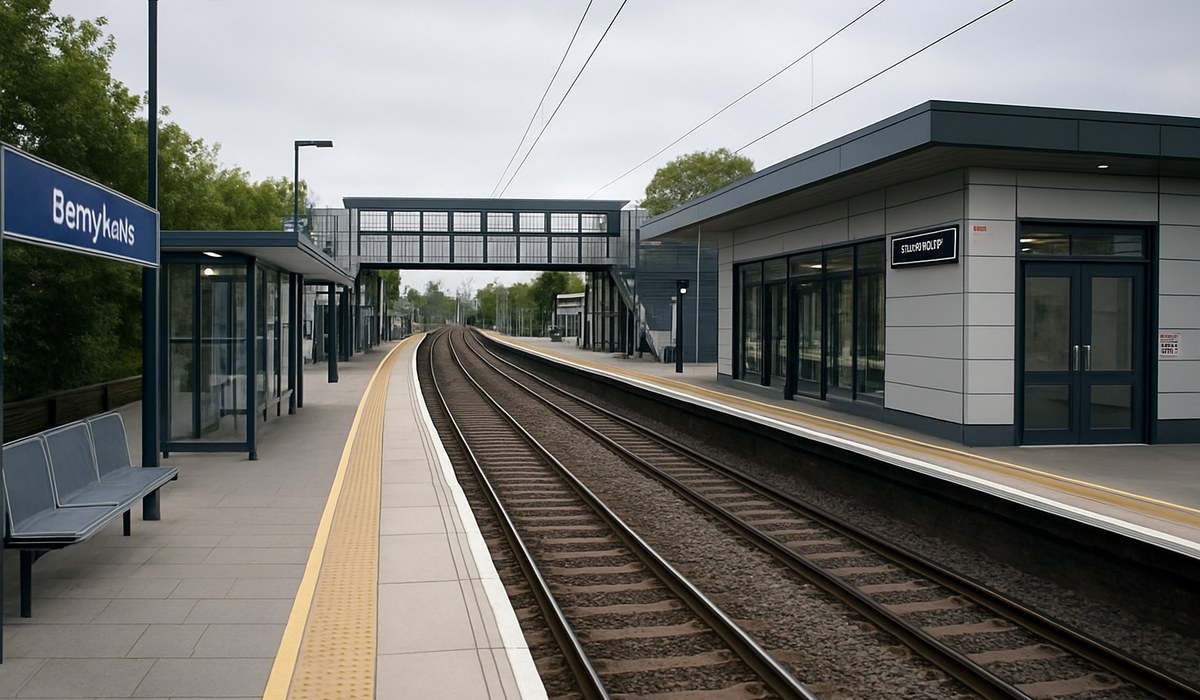
Image generated by AI
Quick Summary
- Berrylands Station in Surrey receives £6 million capital investment for complete modernization
- Planned upgrades include new platform infrastructure, enhanced passenger facilities, and improved accessibility
- Project aligns with Network Rail's broader suburban station renewal strategy across Greater London
- Completion timeline and service disruption details to be announced by transport authorities
Berrylands Station: From Neglected Commuter Hub to Modern Transit Center
A quiet railway station serving thousands of daily commuters across the Surrey-London border is undergoing a transformative £6 million renovation. Berrylands Station, a historically underfunded suburban transit point on the South Western Railway network, has been selected for comprehensive capital improvements that will redefine passenger experience and operational capacity.
The investment signals a significant shift in UK rail policy. Rather than concentrating spending on flagship intercity lines, Network Rail and transport officials are channeling resources into suburban connectors that move hundreds of thousands of commuters monthly. Berrylands exemplifies this strategic pivot—a station where outdated infrastructure has constrained passenger comfort and created bottlenecks during peak travel periods.
The modernization comes as regional authorities recognize that suburban rail stations function as economic anchors. When platforms crumble, lighting fails, and waiting areas lack climate control, passengers abandon trains for cars. Berrylands' overhaul directly addresses this competitive disadvantage, positioning the station to recapture modal share from road transport.
What's Included in the £6M Overhaul—And Why It Matters
The capital works package encompasses far more than cosmetic improvements. Station officials have confirmed that the £6 million allocation funds structural platform upgrades, replacement of aging electrical systems, installation of modern passenger facilities, and enhanced accessibility provisions compliant with current equality standards.
Platform work represents the largest expense category. Current platforms at Berrylands show visible deterioration—cracked concrete, inadequate drainage, and surfaces misaligned with modern train door heights. The renovation will rebuild both platforms to current specifications, improving boarding safety and reducing delays caused by manual adjustment procedures. New lighting systems will replace flickering sodium vapor installations with efficient LED arrays, transforming the station's atmospheric quality and perceived safety after sunset.
Passenger facilities receiving attention include waiting rooms fitted with heating and ventilation systems, modernized ticketing infrastructure, and upgraded toilet facilities. The station will introduce real-time information displays at multiple points, allowing travelers to monitor service status without relying on mobile data. A significant accessibility component will install lifts and ramps throughout the station, eliminating the current barriers faced by passengers with mobility challenges or those traveling with luggage and bicycles.
These enhancements reflect international rail standards. European networks, exemplified by operators like Eurostar, have established baseline passenger facility expectations that UK suburban stations have historically failed to meet. Modern platform heights, tactile guidance systems, and real-time communication technology are now considered essential rather than premium features.
Station officials estimate that improved conditions will boost passenger satisfaction metrics by 30 to 40 percent. Secondary data from similar suburban station upgrades across London's outer rings suggests that modernized facilities correlate with increased daily usage, particularly among non-commuter populations seeking weekend leisure travel alternatives.
How Suburban Station Upgrades Drive Regional Economic Development
The Berrylands project extends beyond passenger amenity. Infrastructure economists recognize that station modernization catalyzes broader regional development. When a commuter station becomes attractive and reliable, property valuations in adjacent residential areas increase. Commercial operators see reduced friction for customer access, potentially attracting retail and service businesses to nearby town centers.
The Surrey location carries particular significance. Berrylands serves commuters traveling both southbound toward the coast and northbound toward central London employment districts. Improved connections lower effective commute times, expanding the geographic radius within which workers find employment opportunities feasible. This ripple effect has documented impacts on wage mobility, workplace diversity, and regional GDP growth.
Local authorities have identified Berrylands' modernization as a catalyst for broader transport-oriented development. Plans under review include residential infill projects within walking distance of the station, commercial parcels targeted for small business incubation, and enhanced cycling infrastructure feeding into the station. These initiatives remain dependent on the rail operator delivering a station that justifies the investment confidence.
The timing coincides with broader UK transport policy emphasizing suburban connectivity. As Airways Resumes Rome-London Heathrow Service Amid Transatlantic Revival demonstrates, UK transport infrastructure is experiencing renewed investment and international attention. Suburban rail stations represent the foundation upon which such connectivity depends—they enable airport workers and international passengers to access major transport hubs using sustainable methods.
Network Rail's Broader Vision for UK Rail Infrastructure
Berrylands Station exists within a network-wide modernization framework. Network Rail, the infrastructure owner and operator, has committed to upgrading 200+ suburban stations across England and Wales through 2030. Annual capital spending on suburban infrastructure has increased from £180 million in 2020 to projected £320 million in 2026, reflecting policy priorities around modal shift away from private vehicles.
The Berrylands allocation represents a mid-sized investment within this framework. Larger hub stations command £20 to £40 million budgets, while smaller rural stations receive £1 to £3 million. Berrylands' £6 million placing positions it as a significant secondary hub—a station serving sufficient passenger volume to justify comprehensive renewal but not commanding the premium spending reserved for London Terminals or major regional centers.
Regional rail operators have expressed strong support for the program. South Western Railway, which operates services through Berrylands, faces aging rolling stock and historical underinvestment in track and platform infrastructure. Station improvements represent negotiated capacity enhancements that allow the operator to introduce additional services without requiring new train procurement immediately. The commercial case for modernization becomes self-reinforcing—better stations attract passengers, generating revenue that funds further improvements.
Network Rail's strategy document emphasizes that suburban stations require "parity of ambition" with intercity infrastructure. For decades, investment disparities reflected policy assumptions that commuters were captive audiences with limited modal choices. Current evidence contradicts this assumption. Suburban passengers increasingly possess flexible work arrangements permitting different commute patterns and are willing to choose car travel when rail alternatives prove uncomfortable or unreliable.
The broader vision incorporates emerging technologies. Berrylands' modernization will include provision for electric vehicle charging infrastructure, secure bicycle parking facilities, and integrated ticketing systems compatible with contactless payment and subscription-based commuting models. These features anticipate passenger behavior evolution rather than locking stations into current-generation assumptions.
International observers tracking UK transport infrastructure are noting this shift. Vietnam Joins China in Major Summer Expansion—UK Routes Launch exemplifies how improved UK transport networks, including suburban rail connectivity, are attracting international investment and tourism interest. Visitors increasingly expect multimodal connections enabling easy access to regional destinations from major airports, expectations suburban station improvements directly support.
FAQ: Berrylands Station Modernization and Passenger Impact
When will Berrylands Station modernization work commence and complete?
Official timelines have not yet been published, but transport authorities typically phase suburban station work to minimize passenger disruption. Berrylands work likely spans 18 to 24 months, with platform renovations potentially requiring temporary single-platform operation during peak construction phases. Service operators will announce disruption windows with advance notice, typically 4 to 6 weeks prior to major work periods.
Disclaimer
This article is for informational and educational purposes only. It does not constitute legal, financial, or professional advice. While we strive to provide accurate and up-to-date information, travel policies, regulations, and conditions change rapidly. Always verify information with official sources before making travel decisions. Nomad Lawyer makes no representations about the accuracy, reliability, completeness, or suitability of the information provided. Readers should consult qualified professionals for advice specific to their circumstances. The views expressed in this article are those of the author and do not necessarily reflect the views of Nomad Lawyer.
Preeti Gunjan
Contributor & Community Manager
A passionate traveller and community builder. Preeti helps grow the Nomad Lawyer community, fostering engagement and bringing the reader experience to life.
Learn more about our team →