
Berkshire Hathaway Increases Delta Air Lines Stake by 44% to $5.4 Billion in 2026 Strategic Pivot
Berkshire Hathaway has aggressively expanded its position in Delta Air Lines, increasing its stake by 44% to approximately $5.4 billion, signaling a major reversal in its aviation investment strategy.

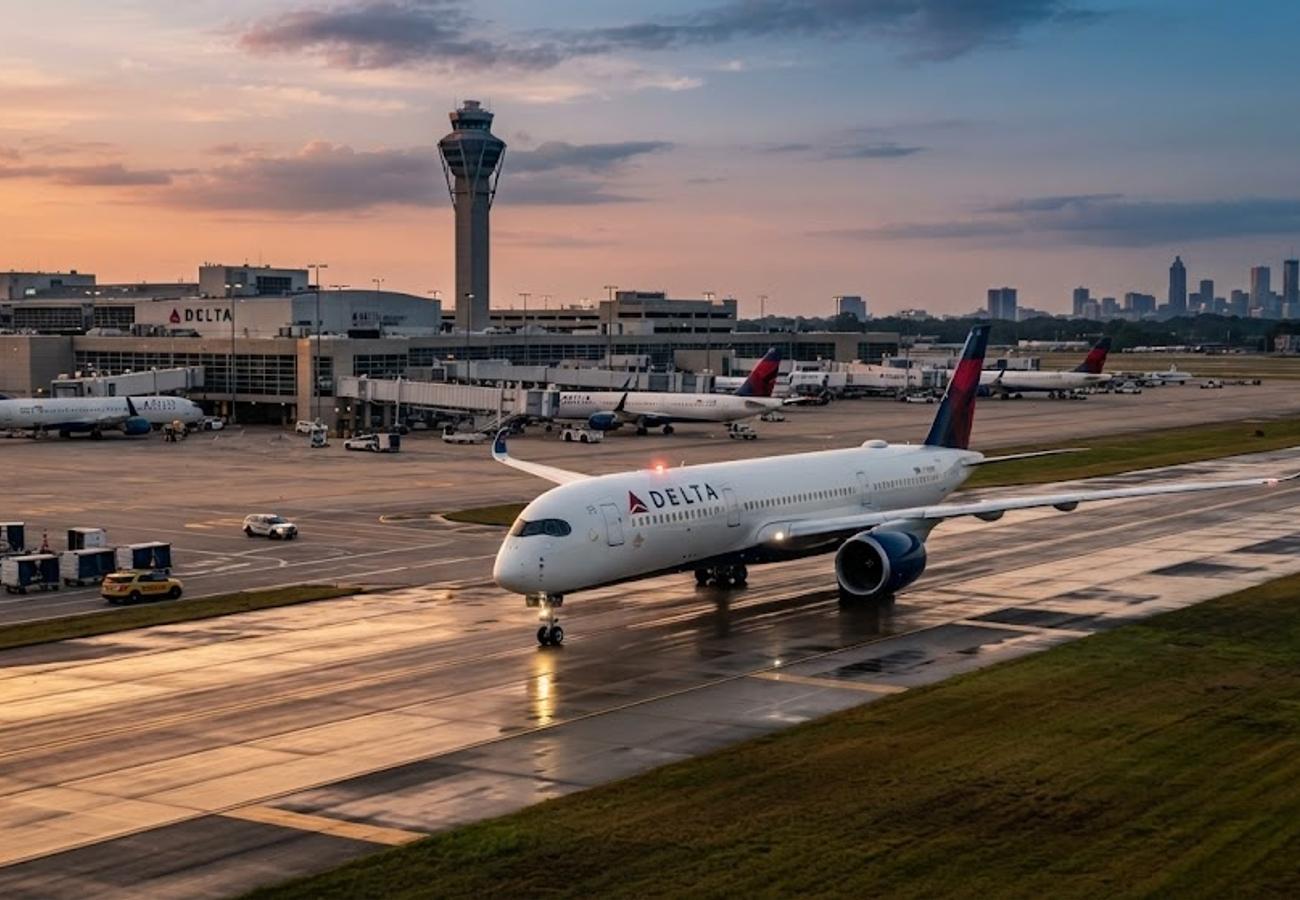
Image generated by AI
Berkshire Hathaway has surged its investment in Delta Air Lines by 44% during the second quarter of 2026, bringing the total market value of the holding to roughly $5.4 billion. This aggressive accumulation represents a complete reversal of the firm's 2020 strategy when it fully liquidated its airline portfolio.
The move marks a significant return to a sector that was previously deemed too volatile for the investment conglomerate. By scaling its position so rapidly in the first half of 2026, Berkshire Hathaway is signaling a new conviction regarding the financial viability and structural evolution of the modern aviation industry.
From Pandemic Liquidation to a $5.4 Billion Reentry
The current investment trajectory stands in stark contrast to the events of 2020. During the height of the global pandemic, when travel plummeted and carriers faced existential financial threats, Berkshire Hathaway exited all U.S. airline holdings, including Delta. At that time, the divestment was viewed by market analysts as a fundamental rejection of the airline business model, which had been criticized for historically destroying shareholder value.
However, 2026 has seen a dramatic shift in this philosophy. Regulatory filings indicate that Berkshire re-entered the aviation space in the first quarter of 2026, establishing an initial position valued at approximately $2.6 billion. The subsequent growth in the second quarter—a 44% increase—has pushed the total valuation to $5.4 billion.
This rapid scaling suggests that the investment is no longer a mere "starter" position or a speculative test. Instead, Delta now sits among Berkshire’s primary equity holdings, alongside its traditional strongholds in technology, consumer brands, and financial services.
Strategic Diversification Driving Delta's Appeal
Industry reports suggest that Delta Air Lines has evolved significantly since the 2020 crash, moving away from a pure "seat-mile" commodity model. The carrier has focused heavily on high-margin premium products and a robust loyalty ecosystem, which provides a financial cushion against the volatility of fuel prices and ticket demand.
Delta's current business model integrates several diversified revenue streams:
- Co-branded Credit Partnerships: High-margin financial products that generate steady income.
- Loyalty Program Monetization: Turning frequent flyer data and rewards into a scalable financial asset.
- Maintenance and Repair Services: Providing technical infrastructure that serves as a B2B revenue driver.
- Equity Stakes in Partners: Strategic minority investments in other aviation entities.
For a value-driven investor, these elements transform Delta from a traditional transportation company into a hybrid of travel technology and financial services. This diversification reduces the risk associated with the cyclical nature of air travel.
Impact on Passenger Experience and Infrastructure
While a corporate investment shift may seem distant from the average flyer, the financial stability provided by such high-profile backing often trickles down to the cabin. Delta has consistently prioritized the "premiumization" of its fleet, focusing on upgraded airport lounges and enhanced business-class cabins.
The airline's strategic focus on key hubs—specifically Atlanta, New York, and Los Angeles—allows it to maintain high yields on high-demand routes. The influx of capital and the endorsement from a firm like Berkshire Hathaway can bolster Delta's ability to finance long-term upgrades, including new aircraft acquisitions and digital transformation tools intended to streamline the passenger journey.
Shifting the Berkshire Investment Playbook
The decision to reinvest billions into Delta provides a glimpse into the evolving capital allocation strategy at Berkshire Hathaway. Recent portfolio movements show a trend of opportunistic, data-driven shifts, including increased exposure to large-cap technology and selective reductions in banking holdings.
Observers note that while the firm's leadership remains constant, the influence of a broader investment team is becoming more apparent. The willingness to return to a sector that was once publicly shunned indicates a pragmatic approach: if the underlying economics of an industry change, the investment rules change with them.
Berkshire is currently managing a massive cash reserve. By pivoting toward a mature company like Delta—which offers steady cash generation through its loyalty and payment systems—Berkshire is hedging against a world of fluctuating interest rates by owning a piece of the structural growth in global travel.
Market Implications for the Aviation Sector
The "Berkshire Effect" often triggers a ripple effect across the stock market. A multibillion-dollar endorsement of Delta may lead other institutional investors to re-evaluate the risk profiles of other major carriers. It suggests that the post-pandemic era of aviation is not just about recovery, but about a fundamental shift in how airlines generate profit.
For Delta, this investment serves as a validation of its disciplined approach to capacity management and balance-sheet health. It signals to the market that Delta is viewed as a resilient entity capable of navigating wage pressures and fuel volatility without compromising long-term profitability.
A Case Study in Institutional Adaptation
The Delta investment serves as a real-time experiment in institutional flexibility. Because the move follows a period of public skepticism regarding airlines, it will be closely monitored as a benchmark for Berkshire's performance in the mid-to-late 2020s.
If the $5.4 billion stake continues to grow or yields high returns, it will validate the theory that the "new" airline model—centered on loyalty and premium services—is fundamentally different from the "old" model that plagued investors for decades. Conversely, any significant downturn would reignite the debate over whether the aviation industry is inherently too unstable for long-term value investing.
The return of one of the world's most famous investors to the skies suggests that for Delta, the flight path toward profitability is now seen as stable.
Related Travel Guides
Disclaimer
This article is for informational and educational purposes only. It does not constitute legal, financial, or professional advice. While we strive to provide accurate and up-to-date information, travel policies, regulations, and conditions change rapidly. Always verify information with official sources before making travel decisions. Nomad Lawyer makes no representations about the accuracy, reliability, completeness, or suitability of the information provided. Readers should consult qualified professionals for advice specific to their circumstances. The views expressed in this article are those of the author and do not necessarily reflect the views of Nomad Lawyer.
Preeti Gunjan
Contributor & Community Manager
A passionate traveller and community builder. Preeti helps grow the Nomad Lawyer community, fostering engagement and bringing the reader experience to life.
Learn more about our team →