
Belize Barrier Reef Diving Guide 2026: Comparing Local Reefs, Turneffe, and Lighthouse Atolls
A comprehensive analysis of Belize's diving infrastructure, comparing the logistical differences between local barrier reef sites and offshore atolls like the Great Blue Hole for 2026.

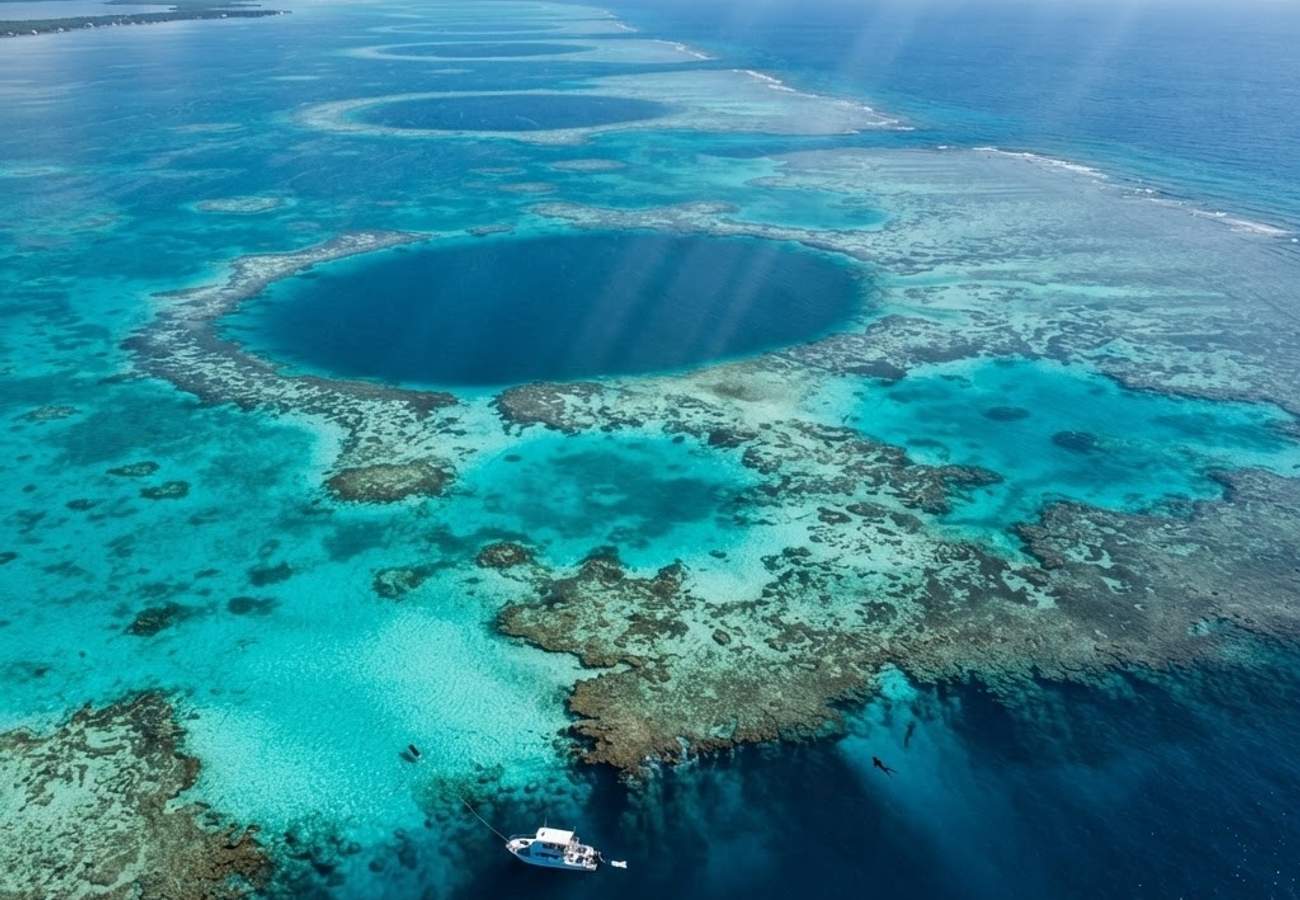
Image generated by AI
Belize offers a tiered diving experience that separates shallow coastal gardens from deep-water oceanic walls. Success in planning a trip depends on balancing the accessibility of the 185-mile barrier reef with the high-exposure environment of the offshore atolls.
The Belizean diving ecosystem is split into two distinct operational zones: the inner barrier reef and the three offshore atolls (Turneffe, Lighthouse, and Glover’s). While the Great Blue Hole dominates marketing, the actual diving value is distributed across these varying depths and logistical zones.
Local Barrier Reef Operations
For divers prioritizing maximum bottom time and minimum transit, basing operations on the barrier reef is the most efficient strategy. Primary hubs include Ambergris Caye, Caye Caulker, Hopkins, and Placencia.
- Ambergris Caye (San Pedro): The highest concentration of operators. Standard two-tank morning trips typically depart at 8:30 am, returning by early afternoon.
- Caye Caulker: A lower-cost alternative to Ambergris, offering PADI and SSI centers with access to sites like Esmeralda and Tuffy Canyon.
- Hopkins & Placencia: Southern gateways providing access to spur-and-groove coral and seasonal whale shark encounters at Gladden Spit during spring full moons.
Local reef depths generally range between 60 to 80 feet. These sites are ideal for Open Water or Advanced Open Water certifications due to modest currents and protected leeward conditions.
Offshore Atoll Logistics
The three atolls—Turneffe, Lighthouse, and Glover’s—are oval coral rings rising from deep water. They offer superior visibility and higher probabilities of pelagic sightings, including eagle rays and reef sharks.
Turneffe Atoll The most accessible atoll, characterized by mangrove-lined channels and lagoons. It serves as a bridge for divers transitioning from shallow reefs to vertical walls.
- Transit: 1.5 to 2 hours each way from Ambergris Caye or Caye Caulker.
- Dive Profiles: A mix of 40-foot coral gardens and 80-foot walls. High-current sites like "The Elbow" are reserved for experienced divers.
Lighthouse Reef & The Great Blue Hole The most exposed atoll and home to the Great Blue Hole. Logistics here are demanding, with departures often scheduled between 5:30 and 6:30 am.
- Transit: Up to 2.5 hours each way.
- The Blue Hole Experience: A descent to approximately 130 feet to view ancient stalactites. Bottom time is limited to 8 to 10 minutes.
- Additional Sites: Most operators bundle the Blue Hole with dives at Half Moon Caye and Long Caye, which often provide better coral and marine life than the Blue Hole itself.
Operational Data and Cost Comparison
| Dive Zone | Avg. Transit Time | Typical Depth | Estimated Cost (USD) | Visibility |
|---|---|---|---|---|
| Local Barrier Reef | 10–20 Minutes | 60–80 Feet | $110 – $150 | 40–60 Feet |
| Turneffe Atoll | 1.5–2 Hours | 40–80 Feet | $200 – $250 | 60–100 Feet |
| Lighthouse Reef | 2–2.5 Hours | Up to 130 Feet | Varies (Package) | 60–100 Feet |
Why This Matters: Industry Analysis
From a logistical perspective, the "Blue Hole Trap" is a common mistake for first-time visitors. Many divers allocate their entire budget and time to a single day at Lighthouse Reef, ignoring the fact that the Blue Hole is a geological dive rather than a biological one.
Our analysis of the route maps indicates that the highest "Information Gain" for a diver occurs at Turneffe Atoll. It provides the wall-diving experience of the offshore atolls without the extreme transit times and depth restrictions of the Blue Hole. For travelers, the real impact is the visibility delta: during rainy months, coastal runoff can make nearshore waters milky, making the 60-100 foot visibility of the atolls a necessity rather than a luxury.
Forward Outlook
We expect a shift toward "Atoll-Basing" rather than "Day-Tripping." As dive lodges on Turneffe and Glover's Reef expand, more divers will likely bypass the 5-hour round-trip commutes from San Pedro in favor of residential dive packages. This shift will reduce the reliance on high-speed transit boats and allow for more sustainable, multi-day exploration of the eastern walls.
Precision in site selection determines the quality of the Belizean experience.
Related Travel Guides
Disclaimer
This article is for informational and educational purposes only. It does not constitute legal, financial, or professional advice. While we strive to provide accurate and up-to-date information, travel policies, regulations, and conditions change rapidly. Always verify information with official sources before making travel decisions. Nomad Lawyer makes no representations about the accuracy, reliability, completeness, or suitability of the information provided. Readers should consult qualified professionals for advice specific to their circumstances. The views expressed in this article are those of the author and do not necessarily reflect the views of Nomad Lawyer.
Preeti Gunjan
Contributor & Community Manager
A passionate traveller and community builder. Preeti helps grow the Nomad Lawyer community, fostering engagement and bringing the reader experience to life.
Learn more about our team →