
Battery-Powered Fleet of 15 Ships to Transform Danube and Black Sea River Cruising
A major electrification project introduces 15 battery-powered river cruise ships for the Danube and Black Sea, featuring EST-Floattech technology for AmaWaterwa

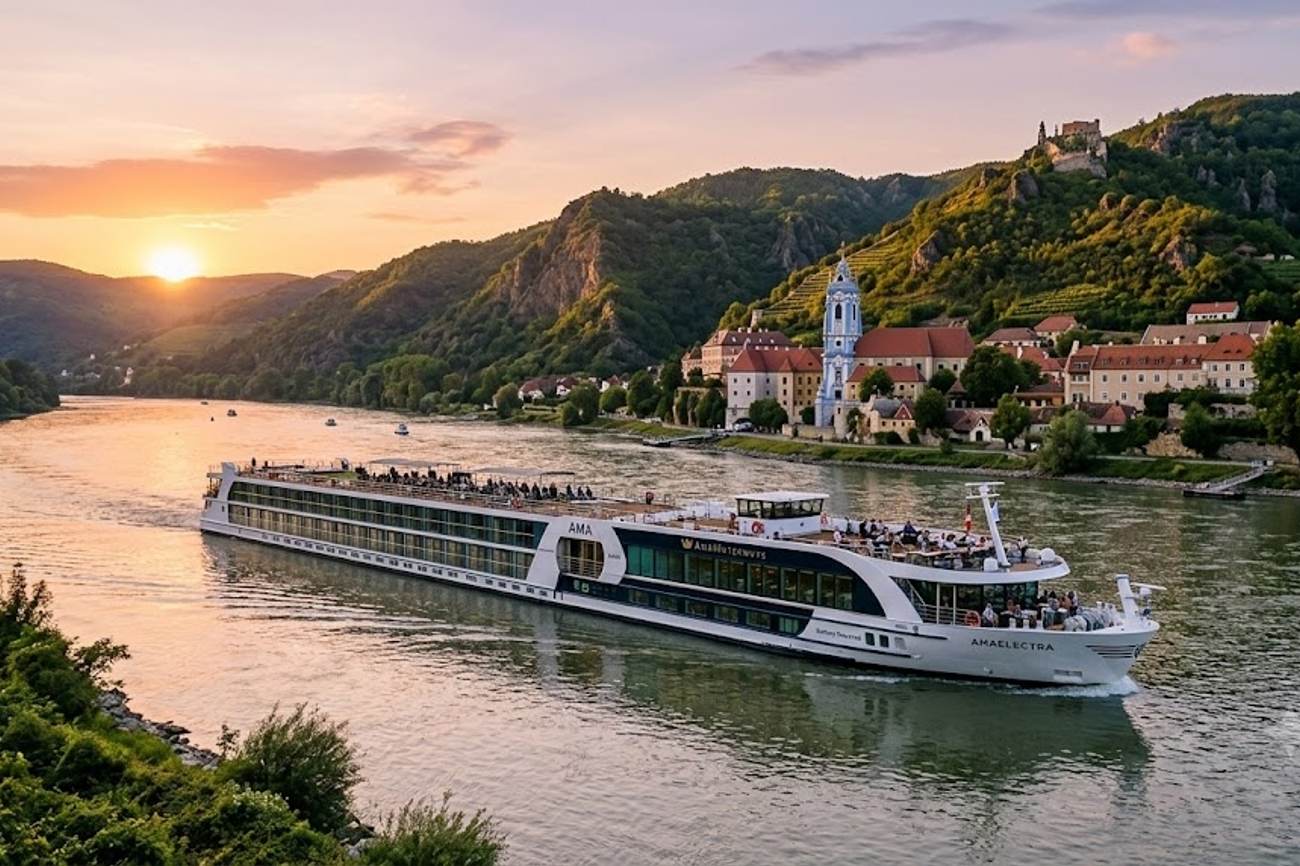
Image generated by AI
Electrification of Europe's Waterways
European river cruising is entering a high-tech transition as a fleet of 15 new vessels prepares to enter service. These ships are designed to mitigate the environmental impact of tourism in sensitive urban centers like Vienna, utilizing advanced battery systems to reduce reliance on traditional combustion engines.
The project focuses on the Danube and the broader Black Sea region, where the proximity of ships to residential areas makes noise and emission reduction a priority. By shifting to partial electric sailing, these vessels can operate more discreetly while docked or navigating city centers.
Technical Specifications and Infrastructure
The electrification is powered by the Octopus High Energy platform from EST-Floattech. Dutch system integrator Van Tiem Elektro is managing the implementation, ensuring the battery arrays integrate seamlessly with existing ship architecture via MODbus string controllers.
Construction and outfitting are split between two primary European hubs:
- De Gerlien van Tiem in Druten, Netherlands.
- Vahali Shipyards in Ghent, Belgium.
Each vessel is equipped with 650 kWh of battery capacity. Collectively, the 15-ship fleet represents a total capacity of 9.75 MWh (rounded to 9.7 MWh in official project announcements).
Operational Impact for Cruise Lines
Industry leaders AmaWaterways and Uniworld are identified as operators connected to this program. The battery systems are not intended for full-electric long-haul transit but are designed for three specific critical functions:
- Partial Electric Sailing: Reducing fuel consumption during low-speed maneuvers.
- Hotel Loads: Powering onboard amenities (lighting, climate control, galleys) while moored, eliminating the need for idling diesel generators.
- Emergency Backup: Providing a redundant power source for critical ship systems.
The technology has already secured rigorous type approvals from leading maritime authorities, including DNV, Bureau Veritas, Lloyd’s Register, ABS, and RINA.
Deployment Timeline and Scope
Deliveries for the new fleet are scheduled to continue through 2030. While the project confirms the total number of ships and their general operating regions, specific vessel names and individual itineraries remain undisclosed.
Because cruise operators frequently calibrate schedules based on seasonal demand, these ships are being deployed as a cohesive fleet program rather than as 15 distinct, pre-assigned routes.
Project Data Summary
| Item | Confirmed Detail |
|---|---|
| Total New Vessels | 15 |
| Battery Technology | EST-Floattech Octopus High Energy |
| Capacity Per Vessel | 650 kWh |
| Total Fleet Capacity | 9.75 MWh (Approx. 9.7 MWh) |
| System Integrator | Van Tiem Elektro |
| Outfitting Yards | De Gerlien van Tiem (NL), Vahali Shipyards (BE) |
| Identified Operators | AmaWaterways, Uniworld |
| Primary Regions | Danube and Black Sea |
| Delivery Window | Through 2030 |
| Primary Energy Uses | Partial sailing, hotel loads, emergency backup |
| Certification/Approvals | DNV, BV, LR, ABS, RINA |
Fleet Deployment Status
| Vessel | Public Name | Battery Capacity | Operating Region | Individual Itinerary |
|---|---|---|---|---|
| Vessel 1-15 | Not Disclosed | 650 kWh (each) | Danube/Black Sea | Not Published |
Key Takeaways
- Scale of Investment: One of the largest river-cruise electrification contracts for EST-Floattech.
- Environmental Gain: Significant reduction in noise and air pollution for riverside cities.
- Hybrid Utility: Batteries serve as both propulsion aids and "shore power" replacements for hotel loads.
- Strategic Reach: Focused on the high-traffic corridors of the Danube and Black Sea.
FAQ
Which cruise lines are using these battery ships? AmaWaterways and Uniworld are the operators publicly associated with this electrification program.
Will these ships be 100% electric? No. The batteries are designed for partial electric sailing, managing hotel loads, and providing emergency backup power.
When will these ships be available for passengers? The delivery program is ongoing, with vessels expected to enter service through 2030.
Related Travel Guides
Disclaimer
This article is for informational and educational purposes only. It does not constitute legal, financial, or professional advice. While we strive to provide accurate and up-to-date information, travel policies, regulations, and conditions change rapidly. Always verify information with official sources before making travel decisions. Nomad Lawyer makes no representations about the accuracy, reliability, completeness, or suitability of the information provided. Readers should consult qualified professionals for advice specific to their circumstances. The views expressed in this article are those of the author and do not necessarily reflect the views of Nomad Lawyer.
Raushan Kumar
Founder & Lead Developer
Full-stack developer with 11+ years of experience and a passionate traveller. Raushan built Nomad Lawyer from the ground up with a vision to create the best travel and law experience on the web.
Learn more about our team →