
Bangladesh Reopens Sundarbans Mangrove Forest to Eco-Tourism
Bangladesh's Sundarbans mangrove forest reopens on September 1, 2026, following a three-month seasonal conservation closure to protect breeding wildlife.

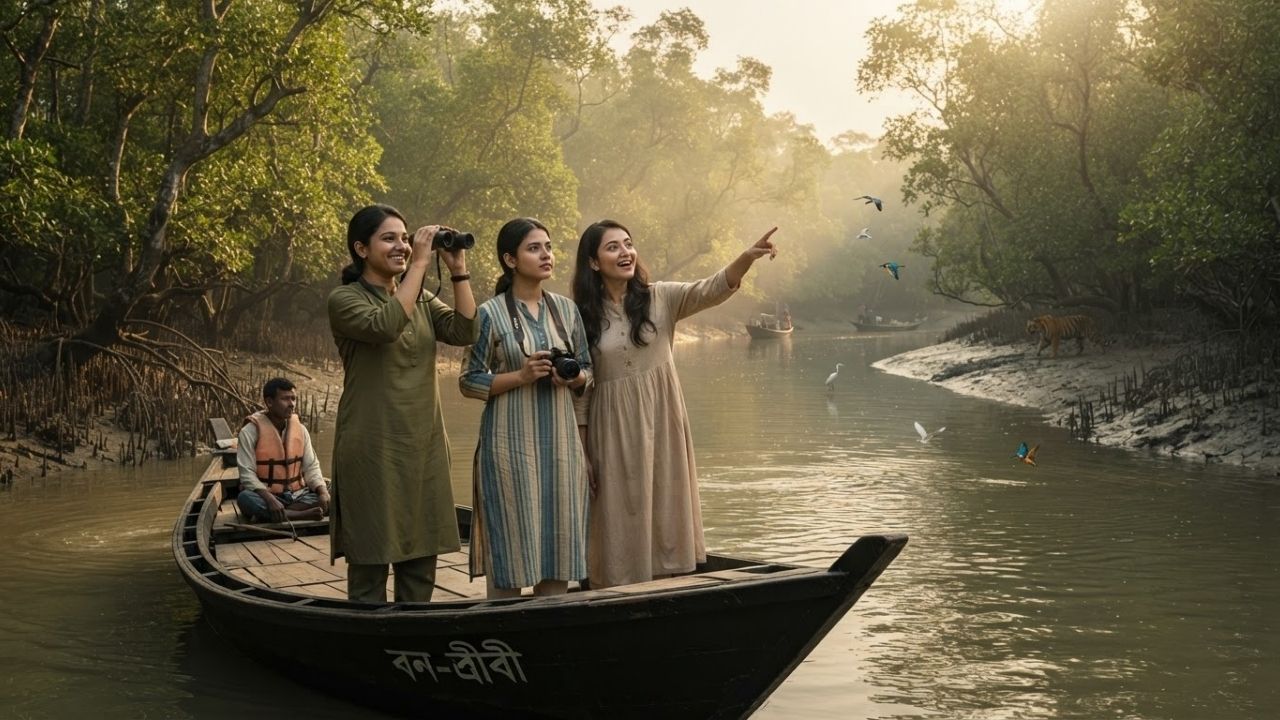
Image generated by AI
Bangladesh will reopen the Sundarbans mangrove forest to eco-tourism on September 1, 2026, ending a three-month seasonal conservation closure designed to allow fish breeding and natural ecosystem recovery.
Reopening the World's Largest Mangrove Forest
The Sundarbans, the world's largest mangrove forest, has entered a new season as visitors, fishermen, and forest-dependent communities return after a three-month environmental shutdown. The forest remained completely closed from June 1 to August 31 as part of an annual conservation programme.
This seasonal closure is a critical protection measure. The monsoon period is vital for the survival of aquatic species and overall forest health. During these months, fish breed in rivers and canals, wildlife activity patterns adapt, and natural ecosystems recover from human footprint pressure. The reopening allows tour operators to resume river cruises, forest walks, birdwatching tours, and wildlife-focused journeys under new regulatory guidelines.
Balancing Eco-Tourism and Sustainable Livelihoods
Tour operators have prepared their vessels for the new season, repairing passenger boats and cleaning visitor docks. However, the forest is not just a destination for travelers; it is a primary source of income for thousands of local families. Coastal villages in Khulna and Satkhira depend directly on fishing, honey collection, and tourist services to support their livelihoods.
To manage access, the Forest Department regulates entries using Boat Licence Certificates (BLC). This mechanism ensures that fishing activities remain controlled, preventing over-fishing and resource depletion. Hundreds of boats operating in these zones must register for licenses, allowing guards to monitor resource extraction.
Sundarbans Conservation Shutdown and Reopening Profile (2026)
| Operational Parameter / Date | Specification / Detail | Strategic Conservation & Livelihood Impact |
|---|---|---|
| Seasonal Closure Window | June 1 to August 31 (3 Months) | Protects breeding fish populations during monsoon season |
| Official Reopening Date | September 1, 2026 | Resumes eco-tourism tours and regulated fishing activities |
| Visitor Activities Permitted | River cruising, trail hiking, birdwatching | Promotes low-impact travel under strict environmental rules |
| Regulating Authority | Forest Department of Bangladesh | Manages permits, enforces safety, and controls illegal fishing |
| Licensing Mechanism | Boat Licence Certificates (BLC) | Monitors vessel counts in Khulna and Satkhira districts |
| Core Ecological Target | Mangrove forest and native fauna | Mitigates pressures from climate change and rising salinity |
Enforcing Security and Environmental Standards
To address safety concerns among travelers and local workers in remote areas, the Forest Department has increased monitoring across all forest zones. Stations and camps have been instructed to provide security while enforcing environmental laws.
Strict rules are active for this season:
- Hunting and Fishing Gear Banned: Guards are searching vessels for prohibited nets or hunting tools.
- Waste Management Rules: Tourists and operators must follow guidelines regarding litter disposal.
- Single-Use Plastics Prohibited: Visitors are advised to avoid single-use plastics to protect the fragile aquatic environment.
Salinity changes, climate change, and human encroachment continue to press this fragile mangrove system, making strict monitoring essential to protect the UNESCO Biosphere Reserve.
Destination Specialist Local Insider Tips
To help travelers experience the Sundarbans responsibly, local travel specialists recommend the following insider tips:
- Choose Eco-Certified Vessel Operators: Book your river cruise with operators who use low-emission engines, follow strict waste-disposal rules, and do not carry single-use plastics.
- Obtain Your Permits via Khulna or Satkhira: Ensure your tour company has secured valid entry permits and Boat Licence Certificates from the Forest Department before you board.
- Bring Binoculars for Wildlife Watching: Spotting the elusive Bengal tiger, estuarine crocodiles, or endemic birds requires patience. Quiet early morning boat excursions offer the best sightings.
- Minimize Plastic Footprint: Carry reusable water flasks and metal food containers. Avoid packing pre-wrapped snack packets that can end up polluting the mangrove waterways.
- Hire Registered Forest Guides: Never walk forest trails (like Katka or Hiron Point) without an armed forest guard and a registered local guide to ensure safety.
Future Outlook
The reopening of the Sundarbans marks a key moment for Bangladesh's eco-tourism and coastal economy. The transition to community-supported conservation ensures that local economies benefit from international visitors, creating a sustainable framework for the protection of this unique mangrove ecosystem.
Related Travel Guides
Disclaimer
This article is for informational and educational purposes only. It does not constitute legal, financial, or professional advice. While we strive to provide accurate and up-to-date information, travel policies, regulations, and conditions change rapidly. Always verify information with official sources before making travel decisions. Nomad Lawyer makes no representations about the accuracy, reliability, completeness, or suitability of the information provided. Readers should consult qualified professionals for advice specific to their circumstances. The views expressed in this article are those of the author and do not necessarily reflect the views of Nomad Lawyer.
Preeti Gunjan
Contributor & Community Manager
A passionate traveller and community builder. Preeti helps grow the Nomad Lawyer community, fostering engagement and bringing the reader experience to life.
Learn more about our team →