
Kunduz Province: Northern Afghanistan's Evolving Cultural Tourism
Northern Afghanistan's Kunduz Province welcomes domestic and international travelers, introducing multilingual information boards to promote its Silk Road heritage.

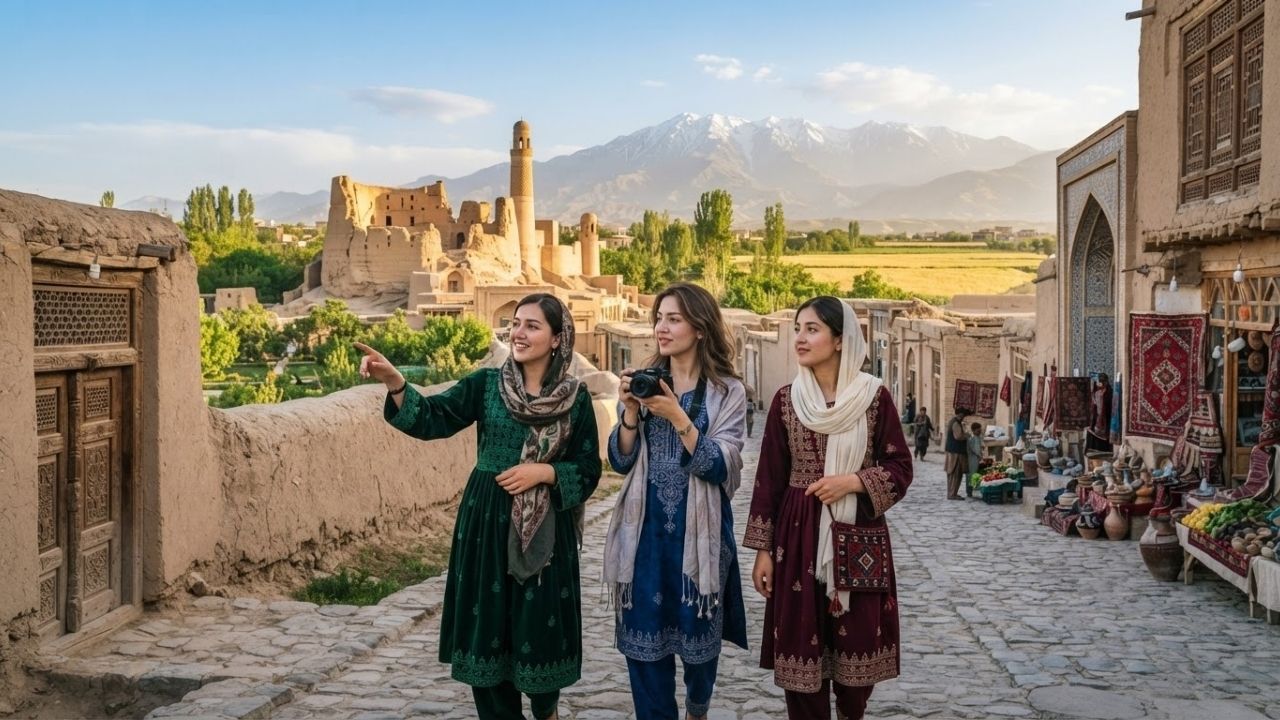
Image generated by AI
Northern Afghanistan's Kunduz Province is experiencing a notable travel shift, welcoming over 40,000 domestic tourists alongside arriving international travelers seeking low-density exploration of its ancient Silk Road heritage.
Reorganizing Visitor Services in Northern Afghanistan
Local tourism authorities in Kunduz are building organized visitor services to improve travelers' confidence and navigation. The Directorate of Information and Culture has installed multilingual information and guidance boards at its main headquarters.
These new facilities display historical context and route details in Pashto, Dari, and English. The availability of clear, multilingual documentation helps international travelers understand the historical significance of the region, explore destinations beyond the provincial capital, and navigate routes safely.
Silk Road Antiquities and Historical Value
Located in northern Afghanistan, Kunduz served as a vital crossroads connecting Central Asian trading networks with the ancient Silk Road. The province contains clay fortresses, ancient ruins, and historic shrines reflecting Greco-Bactrian, Buddhist, and early Islamic layers.
For modern visitors, the attraction is the region's raw, uncommercialized history. By presenting reliable details in English alongside Pashto and Dari, local authorities aim to make these heritage sites accessible to visiting researchers, independent historians, and niche adventure travelers.
Kunduz Province Tourism Profile and Infrastructure Metrics
| Parameter / Indicator | Current Value / Detail | Practical & Strategic Significance |
|---|---|---|
| Domestic Arrivals | Approximately 40,000 travelers | Sustains local hospitality, transport, and food vendors |
| Visitor Services Hub | Directorate of Information and Culture | Coordinates regional registries and guide services |
| Multilingual Guideboards | Pashto, Dari, and English | Increases visitor confidence and helps navigate historical sites |
| Regional Geography | Northern Afghanistan | Crossroads connecting central valleys with the Amu Darya basin |
| Core Historic Asset | Silk Road heritage ruins | Attracts niche researchers, archaeologists, and history buffs |
Domestic Tourism and Local Economic Support
Alongside international arrivals, domestic travel is the primary driver of the province's visitor economy. Approximately 40,000 Afghan tourists traveled across the province to explore scenic locations, rivers, and outdoor recreational areas.
This internal movement provides economic support to local communities. Increased domestic travel generates demand for transport operators, traditional eateries, fruit markets, and local guest rooms, helping distribute travel spending outside major urban centers.
Destination Specialist Local Insider Tips
To help travelers visit the region safely and respectfully, local specialists recommend the following insider tips:
- Engage the Directorate of Information and Culture: Upon arriving in Kunduz city, visit the Directorate to review the Pashto, Dari, and English guideboards and register your travel route.
- Hire Registered Local Guides: Engage local guides recommended by the Directorate to ensure accurate historical context and navigation through remote ruins.
- Observe Local Dress and Etiquette: In northern Afghanistan, wear traditional loose-fitting clothing (such as shalwar kameez for men) and modest dress. Women should cover their heads in public.
- Carry Cash (Afghanis): Remote districts do not accept digital cards. Carry local currency (Afghani) in small denominations for bazaar purchases and transport.
- Understand Security Protocols: Travel in northern Afghanistan is highly regulated. Always carry valid identity documents, permits, and check road conditions with local guides.
Future Outlook
By improving communication, installing multilingual information boards, and protecting cultural monuments, Kunduz Province aims to strengthen its position as an emerging historical and cultural destination. The coordination of domestic travel flows alongside regulated international entries provides a foundation for the preservation of northern Afghanistan's heritage.
Related Travel Guides
Disclaimer
This article is for informational and educational purposes only. It does not constitute legal, financial, or professional advice. While we strive to provide accurate and up-to-date information, travel policies, regulations, and conditions change rapidly. Always verify information with official sources before making travel decisions. Nomad Lawyer makes no representations about the accuracy, reliability, completeness, or suitability of the information provided. Readers should consult qualified professionals for advice specific to their circumstances. The views expressed in this article are those of the author and do not necessarily reflect the views of Nomad Lawyer.
Preeti Gunjan
Contributor & Community Manager
A passionate traveller and community builder. Preeti helps grow the Nomad Lawyer community, fostering engagement and bringing the reader experience to life.
Learn more about our team →