
Transcontinental River Deltas: How Dhaka's Direct New York Flight Ambition Opens Bangladesh to Global Travelers
Targeting a 2027 launch connecting Dhaka's Hazrat Shahjalal International Airport with New York's JFK, Bangladesh prepares for nonstop flights powered by new Boeing 787 Dreamliners and FAA Category 1 safety benchmarks.

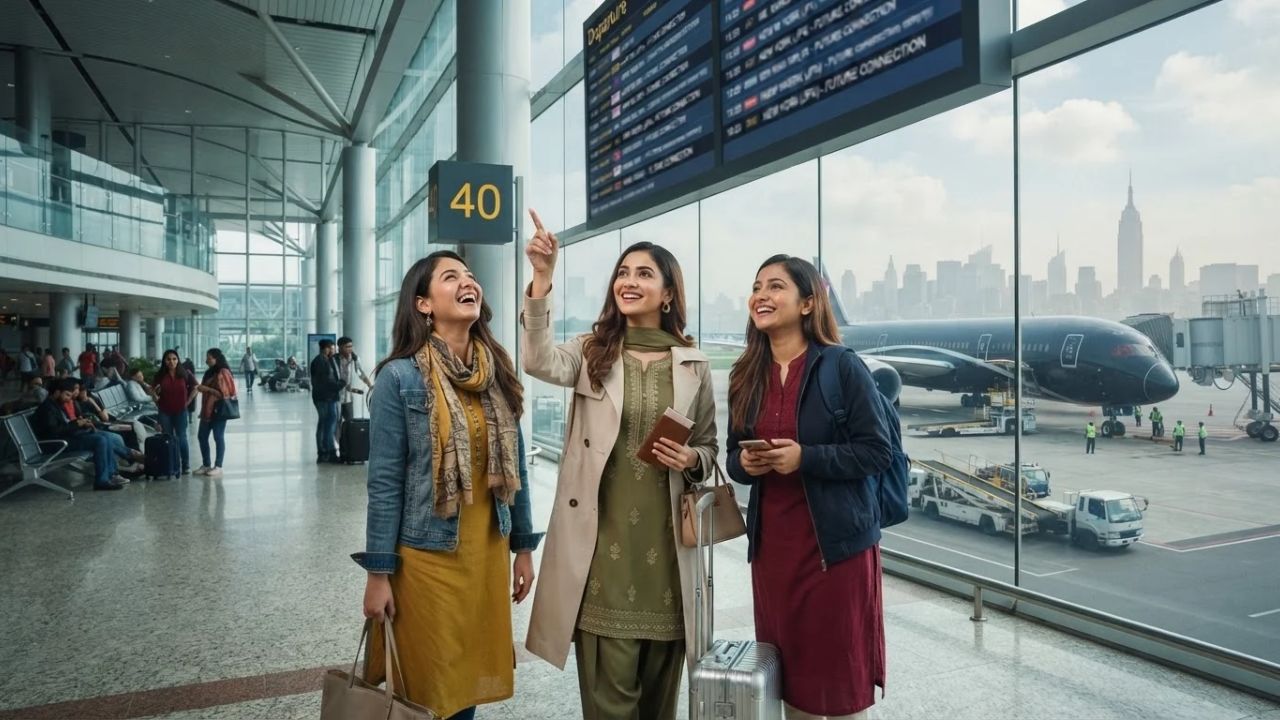
Connecting Dhaka directly with New York unlocks access to Bangladesh's rich riverine heritage, historic mosques, and ancient mangrove forests.
While over 300,000 members of the Bangladeshi diaspora call North America home, reaching the Bengal delta currently demands grueling multi-stop layovers across the Middle East or Europe that stretch travel times past twenty-four hours. That historic logistical barrier is moving toward resolution as civil aviation authorities establish a 2027 target to inaugurate nonstop commercial flights between Dhaka's Hazrat Shahjalal International Airport and New York's John F. Kennedy International Airport (JFK). Supported by an expansive fleet agreement to acquire 14 new Boeing aircraft—encompassing long-haul Boeing 787 Dreamliner and Boeing 737 MAX aircraft—this transcontinental corridor promises to transform Bangladesh from an overlooked transit destination into a directly accessible cultural frontier for international travelers, business investors, and visiting expatriates.
The resumption of a nonstop American link represents a pivotal milestone for South Asian aviation. For decades, international travelers seeking out Bangladesh's river networks, Mughal architecture, and virgin mangrove forests faced convoluted booking procedures and exhausting transfer hubs. A direct connection between the financial capital of the United States and the dynamic center of the Bengal delta provides an uninterrupted conduit that supports commercial trade across textiles, technology, and manufacturing, while opening up rural artisan communities to global cultural tourism.
The Transcontinental Blueprint: The 2027 Dhaka-JFK Aviation Milestone
Establishing a direct 8,000-mile flight between Dhaka and New York requires extensive technical and regulatory coordination. Before flag carrier Biman Bangladesh Airlines can roll its twin-engine Dreamliners onto JFK's runways, the Civil Aviation Authority of Bangladesh must secure Category 1 status under the International Aviation Safety Assessment (IASA) program administered by the US Federal Aviation Administration (FAA).
FAA Category 1 certification serves as the global benchmark for civil aviation oversight. It confirms that a nation's regulatory bodies fully comply with International Civil Aviation Organization (ICAO) standards across flight operations, personnel licensing, aircraft airworthiness, and safety inspection systems. Aviation officials in Dhaka are actively completing regulatory assessments and infrastructure overhauls to fulfill these rigorous technical mandates well ahead of the 2027 operational window.
On the ground, Hazrat Shahjalal International Airport in Dhaka is undergoing modernization to support long-haul intercontinental operations. Upgrades to air traffic management systems, modernized baggage routing technologies, expanded terminal gates, and enhanced international security screening protocols ensure that the capital's aviation hub can seamlessly process thousands of daily transatlantic travelers. The acquisition of 14 modern Boeing aircraft equips Biman with the extended range, superior fuel efficiency, advanced cabin pressurization, and operational reliability required to operate nonstop polar and transatlantic routes sustainably.
What Makes Bangladesh Different: Estuaries, Ancient Silk, and Mangrove Wilderness
Bangladesh remains one of South Asia’s most genuine travel destinations, largely untouched by mass commercial tourism. The country is shaped by more than 700 rivers that weave through the world’s largest river delta, creating an aquatic geography where boats serve as the primary pulse of daily life.
To the southwest lies the Sundarbans, the planet's largest continuous halophytic mangrove forest and an internationally celebrated UNESCO World Heritage site. Spanning the coastal fringe of the Bay of Bengal, this tidal wilderness shelters the world’s largest population of wild Royal Bengal tigers, estuarine saltwater crocodiles, spotted deer, and rare river dolphins. Exploring the Sundarbans involves boarding specialized silent motor cruisers or traditional wooden country boats, navigating serpentine brackish canals where dense sundari trees knit together to form a cathedral of living mangrove canopy.
In the southeast, Cox’s Bazar offers the world’s longest unbroken natural sea beach, unrolling over 120 kilometers of golden sand framed by jungle-clad coastal hills. Further inland, the northeastern district of Sreemangal provides a dramatic shift in scenery. Known as the tea capital of Bangladesh, Sreemangal is blanketed with rolling emerald tea gardens, rubber estates, and the pristine rainforest of Lawachara National Park, home to the endangered Western Hoolock Gibbon.
In Dhaka itself, history speaks through architectural layers. Old Dhaka is an intoxicating maze of historic neighborhoods, where 17th-century Mughal monuments like Lalbagh Fort and the riverfront palace of Ahsan Manzil stand steps away from historic Shankhari Bazaar, where generational artisans carve traditional conch-shell jewelry. Navigating the Buriganga River aboard historic century-old paddle-wheel "Rocket" steamers reveals the authentic maritime soul of Bengal, celebrated extensively by the Bangladesh Tourism Board.
Visitor Insider Tips: Navigating the Bengal Delta Like an Insider
Traveling through Bangladesh requires local knowledge to navigate cultural nuances, monsoon seasons, and urban transportation:
- Target the Winter Window: Plan your journey between November and February. During these winter months, the monsoon rains have departed, humidity drops significantly, and daytime temperatures hover comfortably between 65°F and 75°F, creating pleasant conditions for river cruising and heritage walks. Avoid the peak monsoon season between June and August unless you are specifically chasing rain-swept rural photography.
- Bypass Dhaka Gridlock via Metro Rail: Surface traffic in central Dhaka can be notoriously slow. Make strategic use of the modern Dhaka Metro Rail (MRT Line 6), which glides elevated above the city's main avenues, linking northern residential hubs like Uttara directly with downtown commercial centers in Motijheel within minutes. For short neighborhood hops through historic quarters, hire pedal cycle-rickshaws, agreeing on the fare before boarding.
- Savor Bengal's Legendary Gastronomy: Do not leave Old Dhaka without eating authentic kacchi biryani—succulent raw marinated mutton and aromatic chinigura rice slow-cooked in sealed copper degchi pots with saffron, ghee, and whole spiced potatoes. Along riverfront stalls, sample shorshe ilish, fresh river shad steamed in pungent ground mustard gravy, and finish your meal with creamy mishti doi (sweet baked yogurt) served in terracotta pots.
- Local Etiquette and Attire: Bangladesh is a culturally conservative society. Dress modestly by keeping shoulders and knees covered, especially when visiting mosques, Hindu temples, or rural villages. Remove shoes before entering sacred sites or private homes. When eating street snacks or paying vendors, always present money and accept food using your right hand.
Cultural and Environmental Context: Delta Ecology and Craft Preservation
Because Bangladesh occupies the dynamic confluence of the Ganges, Brahmaputra, and Meghna rivers, ecological stewardship is woven into national survival. The Sundarbans acts as a monumental natural buffer, absorbing the violent storm surges and high-speed winds of seasonal tropical cyclones before they strike populated inland farming districts. Preserving this delicate tidal forest requires strict limits on industrial shipping corridors, regulated tourist vessel permits, and zero-plastic bans across forest reserve perimeters.
Tourism also provides a lifeline to traditional artisanal heritage. In nearby historic settlements like Sonargaon, generational weavers continue to hand-loom Jamdani textiles using fine cotton muslin and intricate geometric motifs—a heritage craft recognized by UNESCO as Intangible Cultural Heritage. By patronizing genuine artisan cooperatives, community-run eco-resorts in the Sundarbans, and rural homestays in Sreemangal, travelers ensure that tourism revenue directly empowers local families, safeguarding ancestral craft traditions while strengthening community resilience against environmental changes.
FAQ: Visiting Bangladesh 2026
When will direct flights between Dhaka and New York commence? Civil aviation authorities are actively targeting 2027 to launch nonstop commercial flights between Dhaka's Hazrat Shahjalal International Airport and New York's JFK.
What certification is required before the route can operate? Bangladesh must achieve FAA Category 1 status under the International Aviation Safety Assessment program to ensure regulatory and operational compliance with US commercial flight standards.
What aircraft will Biman Bangladesh Airlines operate on long-haul routes? Biman is integrating 14 new Boeing aircraft into its fleet, deploying advanced Boeing 787 Dreamliners and Boeing 737 MAX jets for intercontinental service.
What is the ideal season to visit Bangladesh? The optimal travel window is the cool, dry winter between November and February, when comfortable temperatures make wildlife expeditions and city explorations pleasant.
Across winding tidal estuaries and vibrant historic quarters, Bangladesh invites discerning travelers to witness a land where water shapes the spirit and hospitality knows no bounds.
Related Travel Guides
Disclaimer
This article is for informational and educational purposes only. It does not constitute legal, financial, or professional advice. While we strive to provide accurate and up-to-date information, travel policies, regulations, and conditions change rapidly. Always verify information with official sources before making travel decisions. Nomad Lawyer makes no representations about the accuracy, reliability, completeness, or suitability of the information provided. Readers should consult qualified professionals for advice specific to their circumstances. The views expressed in this article are those of the author and do not necessarily reflect the views of Nomad Lawyer.
Raushan Kumar
Founder & Lead Developer
Full-stack developer with 11+ years of experience and a passionate traveller. Raushan built Nomad Lawyer from the ground up with a vision to create the best travel and law experience on the web.
Learn more about our team →