
Ditch the Scorching Heat: Five High-Altitude and Coastal US Havens for Coolcation Travel in 2026
From sub-freezing summer snows in Alaska's Denali to Pacific fog over San Francisco and crisp alpine waters at Lake Tahoe, discover five refreshing escapes redefining warm-weather travel.

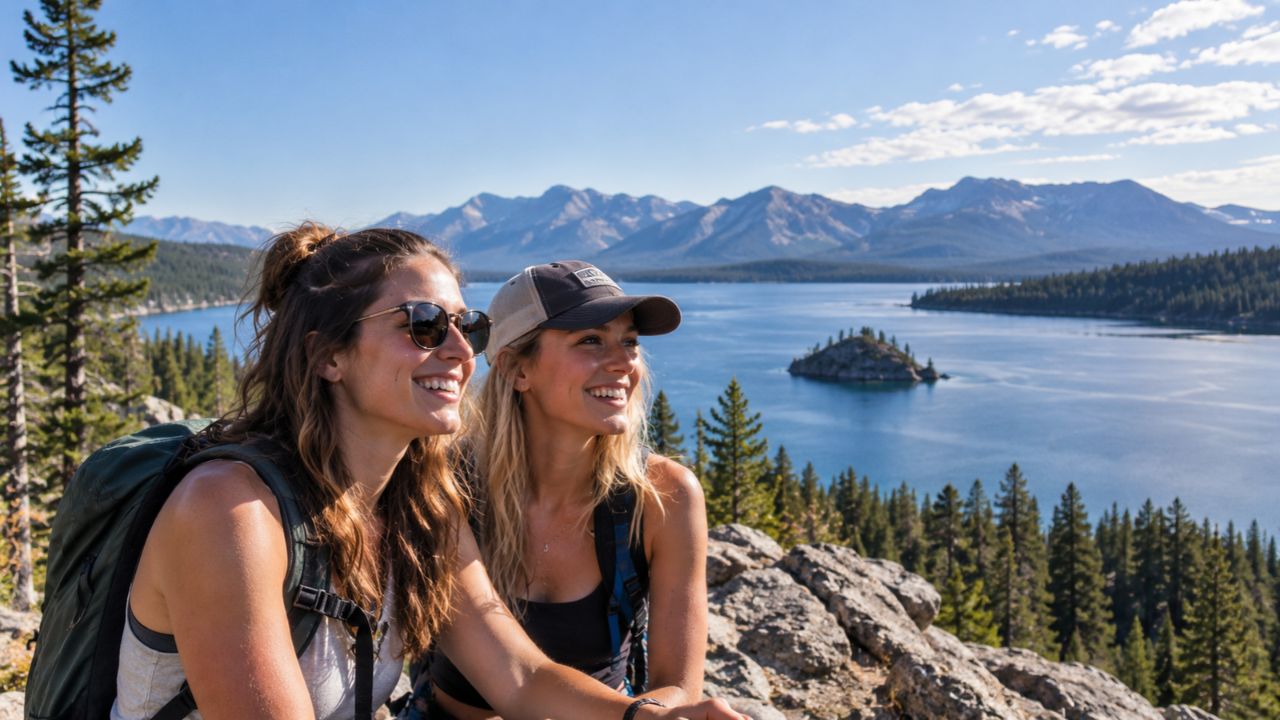
High-altitude national parks and ocean-tempered coastlines provide refreshing relief from extreme summer temperatures across North America.
While triple-digit asphalt temperatures bake southern and central metropolitan corridors throughout midsummer, daytime mercury readings at Alaska's Denali plunge as low as 33°F, where fresh snow regularly dusts high tundra ridges in July. As extreme summer heatwaves become an annual reality across North America, vacationers are abandoning traditional sun-scorched beach holidays in favor of the rapidly expanding "coolcation" movement. Rather than spending hard-earned vacation days retreating into air-conditioned hotel rooms, purposeful travelers are steering toward northern latitudes, oceanic fog corridors, and elevated mountain passes where the air remains crisp, invigorating, and naturally temperate.
The United States harbors a remarkable collection of climatic sanctuaries where geography, elevation, and marine air currents defy seasonal scorch. Whether tracking wildlife across subarctic tundra, sailing across deep alpine waters in the Sierra Nevada, or wandering historic Atlantic seafaring villages wrapped in ocean breezes, these five distinct destinations demonstrate that summer travel can deliver physical rejuvenation rather than heat exhaustion.
The Coolcation Migration: Why Travelers Seek Sub-75 Degree Climates
The growing desire for temperate summer travel reflects a profound change in outdoor recreation. Extended periods of intense heat restrict daytime physical activity, increase dehydration risks on wilderness trails, and turn urban sightseeing into an exhausting ordeal. In contrast, destinations maintaining daytime temperatures below 80°F empower travelers to hike for hours, explore outdoor cultural markets, and sleep soundly with open windows without artificial cooling.
This migration toward cool climates is reshaping itinerary planning across the American West, Alaska, and the New England coast. By intentionally selecting regions governed by maritime upwelling or mountain relief, travelers discover that summer can offer refreshing morning chills and crisp afternoon breezes. From national parks overseen by the National Park Service to coastal peninsulas, these five cooler havens provide an antidote to blistering heatwaves.
What Makes These Five Sanctuaries Different: Microclimates and Wild Topography
Each of these five destinations possesses a unique geological and atmospheric profile that shields it from continental summer heat:
1. Denali National Park, Alaska: Subarctic Glacial Solitude
For those seeking the ultimate cold-summer refuge, Denali National Park in interior Alaska offers an incomparable wilderness sanctuary. Official records from the National Park Service indicate that summer temperatures across Denali typically fluctuate between 33°F and 75°F. Sudden snow squalls can sweep across the tundra at any point during July and August, especially across elevated ridgelines. The park's undisputed centerpiece is Mount McKinley, rising to 20,310 feet as North America’s highest peak. Most summer exploration unfolds along the historic Denali Park Road, where transit buses transport visitors deep into subarctic wilderness populated by grizzly bears, moose, caribou, and Dall sheep. For travelers visiting in 2026, checking up-to-date park alerts is vital: the ongoing Pretty Rocks landslide has interrupted road access beyond the halfway mark, restricting visitor buses to East Fork Bridge at mile 43 for the duration of the 2026 summer season.
2. San Francisco, California: The Pacific's Natural Air Conditioner
While mainland California experiences blistering interior heat, San Francisco presents an entirely inverted seasonal rhythm. Deep ocean upwelling in the Pacific draws heavy marine layers through the Golden Gate, shrouding the city in its legendary summer fog. State travel guidelines from Visit California note that June, July, and August remain predominantly cloudy, windy, and chilly, while September and October traditionally usher in the warmest, sunniest weeks of the year. This marine moderation allows urban explorers to cross the Golden Gate Bridge, tour the historic prison cellblocks of Alcatraz Island, and stroll along Fisherman’s Wharf in comfortable sweaters while inland valleys swelter past 100°F. San Francisco also acts as a cool base for regional day excursions into ancient redwood groves at Muir Woods, the seaside art colony of Sausalito, or the scenic coastline of Monterey.
3. Lake Tahoe, California and Nevada: High Sierra Alpine Respite
Perched at an elevation of 6,225 feet in the Sierra Nevada mountain range, Lake Tahoe combines intense pine scent, crystal-clear cobalt waters, and moderate mountain temperatures. According to regional records from Visit Lake Tahoe, average daytime highs in July and August hover near 79°F, while nighttime temperatures drop to crisp averages of approximately 43°F in July and 42°F in August. This pronounced diurnal range ensures bright, sunny days ideal for kayaking, open-water paddleboarding, and shoreline hiking, followed by chilly mountain evenings that invite outdoor fire pits. Surrounded by granite peaks and national forest lands, Tahoe feels thousands of miles removed from the desert heatwaves of neighboring valleys.
4. North Cascades National Park, Washington: Rugged Glacial Spires
Referred to by mountaineers as the "American Alps," North Cascades National Park in northern Washington State offers an untouched mountain sanctuary defined by serrated granite horns, hanging glaciers, and deep rainforest valleys. Summer daytime temperatures at Newhalem Creek average comfortably in the 70s°F, creating pleasant conditions for strenuous backcountry trekking, alpine photography, and wildlife observation. However, visitors organizing itineraries in 2026 must take note of local recovery efforts: municipal and park services surrounding Stehekin Landing have been restricted following severe flood damage, although passenger ferry operations across Lake Chelan and selected private tour operators continue to transport travelers into this remote roadless community.
5. Maine Coast: Atlantic Maritime Tradition
The ragged, granite-bound coastline of Maine provides an Atlantic refuge where sea breezes continuously moderate summer warmth. Tourism documentation published by Visit Maine shows that while daytime highs occasionally reach the 80s°F on peak summer afternoons, coastal nights remain refreshingly cool. Another official state tourism guide records average July temperatures at approximately 70°F, creating an ideal setting for relaxed outdoor exploration. Centered around Mount Desert Island, the harbor town of Bar Harbor, and the rocky headlands of Acadia National Park, visitors can hike cliffside paths, cycle historic carriage roads, and enjoy freshly caught lobster dinners without the oppressive humidity of southern Atlantic coastlines.
Visitor Insider Tips: Layers, Route Protocols, and Coastal Etiquette
Navigating cool-climate summer havens demands specific preparation and local know-how:
- Master the Three-Layer Rule: In destinations like San Francisco, Denali, and Lake Tahoe, temperatures can swing by 35°F within a single afternoon. Always carry a moisture-wicking base layer, an insulating fleece, and a windproof, water-resistant outer shell. In San Francisco, stepping around a single street corner from the sheltered Mission District into the fog-swept avenues of the Sunset District can drop ambient temperatures by 15°F instantly.
- Secure Denali and North Cascades Transit Early: Given the 2026 Pretty Rocks landslide restrictions at Denali (mile 43 East Fork Bridge turnaround), seat capacity on park transit buses is strictly limited. Reserve your bus departures months in advance. Similarly, if traveling to Stehekin in the North Cascades, book your Lake Chelan ferry tickets and confirm lodge availability well before arrival due to post-flood operational limits.
- Beat the Acadia Cadillac Mountain Rush: In Acadia National Park, Cadillac Mountain stands as one of the first locations in the United States to greet the morning sun. Vehicle reservations are mandatory for summit sunrise access during peak summer. If permits are sold out, hike the South Ridge Trail in the pre-dawn chill for an uncrowded summit experience.
- Savor Region-Specific Culinary Specialties: Fuel your cooler adventures with local gastronomy. Slurp hot New England clam chowder in Bar Harbor, sample Dungeness crab sandwiches near Fisherman’s Wharf in San Francisco, feast on wild Alaskan salmon in Denali, and try wild huckleberry pancakes in the North Cascades.
- Respect Fragile Alpine and Tundra Flora: Subarctic tundra in Denali and alpine meadows in the North Cascades possess exceptionally brief summer growing windows. Stay firmly on established gravel paths or durable rock surfaces. Stepping off-trail crushes delicate lichen and wildflowers that require decades to regenerate.
Cultural and Environmental Context: Permafrost Shifts and Alpine Fragility
The very geographical features that make these destinations cool and inviting also expose them to intense environmental vulnerability. The Pretty Rocks landslide in Denali National Park directly illustrates the destabilizing effects of climate volatility in subarctic regions. Rising average winter temperatures have accelerated the degradation of deep permafrost beneath Polychrome Pass, causing the rock glacier to slide downward across the roadway at unprecedented speeds. This ecological reality forces park managers to balance public visitor access against the physical safety of mountain transit.
Similarly, in Lake Tahoe, preserving the lake's world-renowned water clarity has become an urgent civic priority. Runoff from shoreline developments, motorized boat traffic, and invasive aquatic species threaten to cloud the lake’s sapphire waters. Local conservation initiatives rely heavily on strict watercraft inspection stations and regional shuttle systems to minimize automotive runoff into alpine streams.
Along the Maine coast, warming waters in the Gulf of Maine present long-term challenges to generational lobstering families and traditional fishing wharves. Tourism boards and seafood cooperatives work closely together to promote sustainable catch standards, ensuring that visitor demand supports working waterfronts without depleting wild marine populations. Travelers who choose coolcation escapes carry a direct responsibility to support local conservation trusts, respect wildlife distance regulations, and practice rigorous environmental stewardship across these precious temperate refuges.
FAQ: Visiting Cool US Destinations 2026
What are the summer temperature ranges in Denali National Park? Summer temperatures in Denali typically range between 33°F and 75°F. Sudden snowfall can occur at high elevations even during July and August.
Why is San Francisco so chilly and foggy during the summer months? Cold Pacific Ocean upwelling generates a heavy marine layer that pulls cool fog through the Golden Gate, making June, July, and August cloudy and cold compared to warmer inland California.
What is the status of the Denali Park Road in 2026? Due to the Pretty Rocks landslide, bus access along Denali Park Road in 2026 is limited to the East Fork Bridge at mile 43 for the rest of the summer season.
What daytime and nighttime temperatures should visitors expect at Lake Tahoe? Lake Tahoe averages daytime highs around 79°F in July and August, while evening lows drop to a crisp 43°F and 42°F respectively.
When continental heatwaves rise, true escape lies where ocean breezes chill the pines and mountain summits still remember the winter snow.
Related Travel Guides
Disclaimer
This article is for informational and educational purposes only. It does not constitute legal, financial, or professional advice. While we strive to provide accurate and up-to-date information, travel policies, regulations, and conditions change rapidly. Always verify information with official sources before making travel decisions. Nomad Lawyer makes no representations about the accuracy, reliability, completeness, or suitability of the information provided. Readers should consult qualified professionals for advice specific to their circumstances. The views expressed in this article are those of the author and do not necessarily reflect the views of Nomad Lawyer.
Raushan Kumar
Founder & Lead Developer
Full-stack developer with 11+ years of experience and a passionate traveller. Raushan built Nomad Lawyer from the ground up with a vision to create the best travel and law experience on the web.
Learn more about our team →