
Baltimore Fourth of July Heat Emergency: 112°F Heat Index, Code Red Alert, Air Quality Crisis Hit Maryland Travelers
Baltimore and Maryland face a dangerous Fourth of July weather nightmare with 112°F heat index, Code Red alerts, hazardous air quality, and severe thunderstorms threatening millions of holiday travelers this weekend.

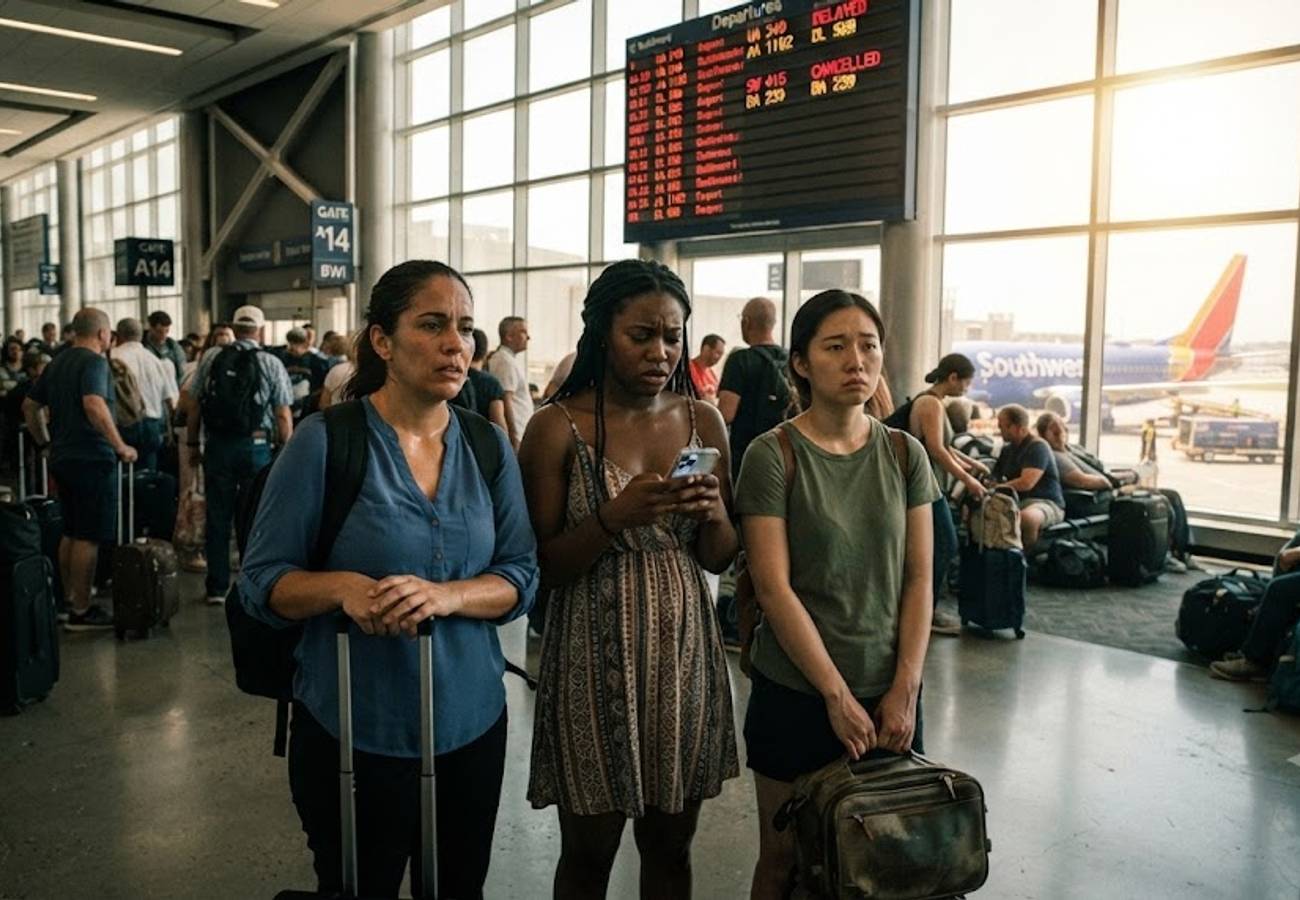
Image generated by AI
The Perfect Storm: Baltimore Faces Dangerous Holiday Heat Convergence
Baltimore and Maryland are bracing for one of the most dangerous weather events of the summer, and it's hitting precisely when millions of Americans are planning Fourth of July travel and outdoor celebrations. What began as a typical summer heat wave has escalated into a multi-layered public health emergency combining extreme heat, hazardous air quality, and violent thunderstorms—all converging on the busiest holiday weekend of the year.
The situation is dire enough that city officials have declared a Code Red Extreme Heat Alert, and the National Weather Service has issued an Extreme Heat Warning extending through Friday, July 3, 2026. But here's what makes this particular weather event so dangerous for travelers: the conditions are compounding in ways that create cascading hazards.
Heat Index Hits 112°F: What That Actually Means for Your Body
The headline number everyone's focused on is the 112°F heat index—and it's worth understanding why meteorologists upgraded their warnings. Unlike simple air temperature, the heat index combines actual temperature with humidity to measure how hot conditions actually feel.
On Thursday, Baltimore's forecast called for approximately 100°F with humidity pushing the apparent temperature to between 110°F and 112°F. Friday gets worse: daytime highs climbing to approximately 103°F with the same dangerous heat index range. This isn't just uncomfortable—it's medically dangerous.
Reddit: "I've lived through heat waves, but 112 heat index overnight with no relief is a completely different beast. My AC barely keeps up." — r/travel
According to NOAA climate data, prolonged exposure to heat index values above 103°F significantly increases risk of heat exhaustion and heat stroke, particularly for vulnerable populations including elderly residents, young children, pregnant women, and individuals with cardiovascular or respiratory conditions.
Code Red Alert: Baltimore Opens Emergency Cooling Response
What separates this weather event from typical summer heat is the institutional response. Baltimore City activated a Code Red Extreme Heat Alert—a formal emergency declaration that triggers expanded public safety measures.
The city opened additional cooling centers across neighborhoods, expanded operating hours at public facilities, and kept community swimming pools open extended hours. This isn't bureaucratic theater. These resources exist because heat waves kill people, particularly those without reliable air conditioning in older urban housing stock.
Officials specifically urged residents to check on elderly neighbors, individuals living alone, and anyone without air conditioning. Pet owners were advised to minimize outdoor exposure for animals, since pavement temperatures can exceed 140°F under direct sunlight.
The Overnight Problem Nobody Talks About
Here's the insidious aspect of this particular heat wave: overnight temperatures are refusing to drop below 80°F across Baltimore and surrounding communities.
Normally, cooler nights provide crucial recovery time for the human body after daytime heat exposure. But when nighttime lows stay in the 80s, that recovery never happens. Over consecutive days, cumulative heat stress accumulates—and that's when heat-related illnesses spike most dramatically.
Health experts consistently identify this pattern—warm days combined with warm nights—as the defining characteristic of particularly lethal heat waves. It's not the peak temperature that kills people. It's the lack of relief.
Air Quality Collapses: Code Orange Alert Issued
While heat dominates the headlines, air quality has deteriorated to hazardous levels. The National Weather Service issued a Code Orange Air Quality Alert because elevated temperatures accelerate ground-level ozone formation and other pollutant accumulation.
For sensitive groups—and this includes asthmatics, people with COPD, older adults, and young children—outdoor physical activity becomes genuinely dangerous. EPA air quality guidance specifically recommends that sensitive individuals restrict outdoor exposure during Code Orange conditions, particularly during afternoon hours when pollution peaks.
The double-hammer effect of extreme heat combined with poor air quality creates a compounding public health crisis that emergency planners weren't necessarily built to manage simultaneously.
Severe Thunderstorms Coming: The Weekend Curveball
Just when the situation seemed as bad as it could get, meteorologists identified developing severe thunderstorm potential for both Friday afternoon and Saturday—Independence Day itself.
The primary hazard is damaging wind gusts, though heavy rain and lightning remain secondary concerns. These storms could develop rapidly and unpredictably, creating dangerous conditions for outdoor Fourth of July celebrations, fireworks displays, and community events.
This timing is particularly problematic for travelers. The convergence of peak travel volume, extreme daytime heat, hazardous air quality, and thunderstorm potential creates a perfect recipe for transportation disruptions. Flight delays, highway incidents, and event cancellations become increasingly likely.
Temperature Forecast: A Grim Weekend Outlook
Friday's forecast: high near 103°F, heat index between 110°F–112°F, then scattered storms developing late afternoon.
Saturday (Independence Day): high around 100°F, heat index exceeding 105°F early, then widespread evening downpours with gusty winds arriving.
Sunday offers marginal improvement: temperatures dropping to approximately 93°F with lingering scattered showers.
The forecast essentially guarantees dangerous conditions throughout the entire holiday period, with no meaningful relief until late Sunday at the earliest.
Travel Disruption Warnings for Holiday Weekend
The combination of extreme heat, poor air quality, and thunderstorm potential means travelers should expect significant complications.
Baltimore-Washington International Airport and regional highways historically experience congestion during Fourth of July travel, and these weather conditions only amplify delays. Airlines may issue ground stops due to severe thunderstorms. Highway accident rates increase during extreme heat due to tire failures and reduced visibility from heat shimmer.
Anyone planning to travel into or through Baltimore/Maryland this weekend should:
- Monitor official weather updates continuously
- Delay non-essential travel if possible
- Prepare for potential flight delays or cancellations
- Carry extra water and electrolyte replacements
- Avoid outdoor activities during peak heat hours (noon–6 PM)
- Check vehicle air conditioning systems before departing
What Public Health Officials Want You to Know
Stay hydrated before you feel thirsty—thirst is a late indicator of dehydration. Drink water continuously throughout the day.
Limit outdoor exposure during peak heat hours (typically noon–6 PM). Schedule outdoor activities for early morning or evening when temperatures are lowest.
Never leave children or pets in vehicles, even briefly. Interior temperatures exceed 130°F within minutes under direct sunlight.
Check on vulnerable neighbors regularly, particularly those living alone or without reliable air conditioning.
Monitor changing weather conditions if you're planning any outdoor activities. Severe thunderstorms can develop rapidly with minimal warning.
The Fourth of July heat emergency in Baltimore is a reminder that extreme weather doesn't respect holiday schedules—only preparation and awareness do.
Related Travel Guides
Disclaimer
This article is for informational and educational purposes only. It does not constitute legal, financial, or professional advice. While we strive to provide accurate and up-to-date information, travel policies, regulations, and conditions change rapidly. Always verify information with official sources before making travel decisions. Nomad Lawyer makes no representations about the accuracy, reliability, completeness, or suitability of the information provided. Readers should consult qualified professionals for advice specific to their circumstances. The views expressed in this article are those of the author and do not necessarily reflect the views of Nomad Lawyer.
Raushan Kumar
Founder & Lead Developer
Full-stack developer with 11+ years of experience and a passionate traveller. Raushan built Nomad Lawyer from the ground up with a vision to create the best travel and law experience on the web.
Learn more about our team →