
Bahamas Beautiful Wave Beach: Grand Bahama's Serene Family Escape 2026
Grand Bahama unveils its stunning wave-free shoreline in 2026—a tranquil family destination offering pristine views, calm waters, and peaceful seclusion away from crowded Caribbean beaches.

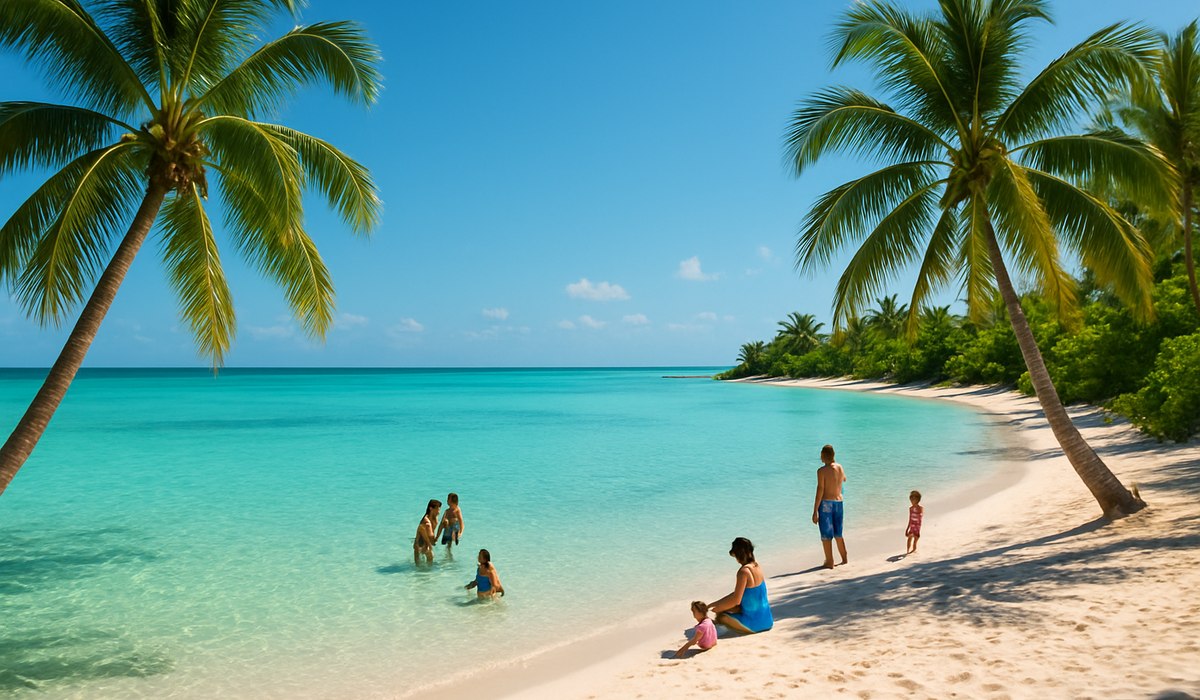
Image generated by AI
Grand Bahama's Hidden Bahamas Beautiful Wave-Free Sanctuary Attracts Families in 2026
Grand Bahama is capturing traveler attention this spring with its remarkable stretch of wave-free shoreline that defies the typical Caribbean beach experience. Unlike crowded resort zones overrun with surfers and water sports enthusiasts, this peaceful stretch remains refreshingly serene and family-focused. The beach's calm, protected waters and pristine conditions make it an increasingly popular choice for parents seeking quiet relaxation alongside children who prefer gentler ocean environments.
Why This Bahamas Beach Stands Out From The Rest
Grand Bahama's wave-free beach represents a distinct departure from conventional Caribbean tourism. Most islands market dramatic, powerful swells ideal for action seekers. This destination instead celebrates stillness. The beach's natural geography—sheltered by reef formations and strategic positioning within the island's coastal framework—creates exceptionally calm conditions year-round.
The setting eliminates typical beach hazards like riptides and undertow. Visibility extends remarkably far into the shallow waters, allowing parents to monitor children playing freely. The absence of heavy wave action means no aggressive currents or dangerous conditions that plague more exposed shorelines. Additionally, the reduced wave presence naturally deters large crowds of surfers and jet-ski operators, preserving tranquility that increasingly scarce throughout the Caribbean. This combination transforms the beach into something genuinely exceptional within a region often defined by tourism intensity.
What Makes It Perfect For Families
Family vacations require more than beautiful scenery—they demand safety, comfort, and activities suited to all ages. This Grand Bahama bahamas beautiful wave destination excels across all parameters. The shallow, calm waters allow toddlers and weak swimmers to build confidence without parental anxiety. Children aged five through twelve discover natural exploration opportunities in tide pools and shallow reef areas.
The peaceful atmosphere creates space for meaningful family bonding. Rather than fighting crowds or managing competing noise, families find themselves able to converse, read, and relax simultaneously. Beach amenities nearby include shaded pavilions, fresh water facilities, and dining options featuring local cuisine. The environment naturally encourages unplugged time—no overwhelming distractions, no pressure to purchase expensive activities.
For multigenerational trips, the accessible terrain suits elderly relatives and those with mobility challenges. The gradual depth progression and absence of undertow eliminate common concerns preventing grandparents from fully participating in beach time. Photography enthusiasts appreciate the consistent lighting and minimal crowd interference during golden hours.
Best Time to Visit
Grand Bahama's wave-free beach remains accessible throughout the year, though seasonal variations affect comfort and crowds. April through June represents the ideal window—temperatures hover between 75-85°F with manageable humidity. Ocean temperatures reach comfortable swimming levels after winter's cooler period.
The pre-summer season offers advantages beyond weather. Tourist volume remains moderate compared to winter's peak season (December-March) when cruise ships saturate nearby ports. July and August bring hot, humid conditions alongside occasional afternoon thunderstorms. September through November coincide with hurricane season, though direct hits remain statistically unlikely.
Winter months (December-March) attract maximum visitors seeking escape from northern cold, making beaches noticeably busier. However, calm ocean conditions persist throughout winter, and this season suits travelers unable to travel during summer months.
How to Get There
Reaching Grand Bahama requires flying into Freeport International Airport, the island's primary aviation hub. Major airlines including Delta, Southwest, and American Airlines operate daily flights from major U.S. cities. Flight times typically range from 2-3 hours depending on departure point. Ground transportation options include rental cars, taxi services, and hotel shuttle arrangements.
The wave-free beach itself is accessible via approximately 15-20 minutes' driving from Freeport's downtown district. Parking facilities accommodate daily visitors, and access roads maintain excellent condition. First-time visitors should consult TripAdvisor for current directions and real traveler reviews regarding accessibility details.
Nearby Attractions And Amenities
Beyond the beach itself, Grand Bahama offers complementary attractions enhancing family vacation value. The Bahamas National Trust manages several nature preserves featuring mangrove boardwalks and bird-watching opportunities. Local restaurants serve authentic Bahamian seafood and international cuisine within 10-15 minutes' driving distance.
Garden of Groves, a privately maintained botanical garden, provides educational botanical experiences suitable for curious children. The facility combines peaceful walking trails with interactive elements and shade structures perfect for midday breaks. Aquatic attractions including guided snorkel tours and shallow-water dolphin encounters appeal to adventure-seeking families.
Retail shopping in Freeport's downtown district offers souvenirs and necessities without requiring expensive resort mark-ups. Local artisan markets feature handcrafted goods reflecting authentic Bahamian culture and supporting community craftspeople.
| Feature | Details |
|---|---|
| Water Temperature | 75-82°F (year-round swimming comfortable) |
| Average Wave Height | Under 1 foot (exceptionally calm) |
| Beach Composition | White sand with gradual depth progression |
| Crowd Level | Minimal to moderate (never overcrowded) |
| Access Hours | Sunrise to sunset (public beach) |
| Parking Availability | Ample free parking year-round |
| Nearest Airport | Freeport International (15-20 minutes) |
| Peak Season | December-March (moderate crowds) |
| Shoulder Season | April-June (optimal conditions) |
What This Means for Travelers
Grand Bahama's wave-free beach addresses specific vacation priorities reshaping Caribbean travel patterns:
-
Prioritize Calm Water Exploration: Book early for April-May visits when conditions peak and crowds remain manageable. Reserve accommodations within 10-15 minute beach radius to minimize daily transit.
-
Plan Family-Specific Activities: Schedule mornings for beach time when children maintain peak energy. Allocate afternoons for botanical gardens and cultural attractions requiring less water exposure.
-
Budget Strategically: Take advantage of public beach access to reduce daily resort fees. Pack coolers with provisions from Freeport's markets rather than purchasing overpriced beachfront concessions.
-
Leverage Off-Peak Advantages: Consider traveling during September-October for significantly reduced airfare and accommodation rates despite slightly elevated humidity. Hurricane risk remains statistically minimal.
-
Verify Current Conditions: Contact the Bahamas Ministry of Tourism before finalizing travel plans to confirm seasonal conditions and any infrastructure updates affecting beach accessibility.
FAQ
What makes this Grand Bahama beach different from typical Bahamas beaches? This particular stretch features wave-free conditions due to natural reef protection and coastal geography. Unlike other Caribbean beaches designed for surfing or water sports, this destination prioritizes calm, shallow waters ideal for young children and families seeking relaxation rather than action-based activities.
Is the beach free to access? Yes, the beach operates as public shoreline with no entrance fees. Parking remains free year-round. Families incur costs only for dining, guided tours, or attractions at nearby facilities—the beach itself welcomes visitors at no charge.
What's the best time to visit with young children? April through June offers optimal conditions—warm water (75-85°F), manageable humidity, and moderate crowds. Water remains calm throughout these months, and school schedules align perfectly with these dates for families with school-age children.
Can elderly relatives or mobility-limited visitors access this beach? Absolutely. The gradual depth progression, absence of dangerous currents, and flat sandy terrain make this beach exceptionally accessible for older visitors and those with physical limitations. Nearby parking facilitates
Disclaimer
This article is for informational and educational purposes only. It does not constitute legal, financial, or professional advice. While we strive to provide accurate and up-to-date information, travel policies, regulations, and conditions change rapidly. Always verify information with official sources before making travel decisions. Nomad Lawyer makes no representations about the accuracy, reliability, completeness, or suitability of the information provided. Readers should consult qualified professionals for advice specific to their circumstances. The views expressed in this article are those of the author and do not necessarily reflect the views of Nomad Lawyer.
Preeti Gunjan
Contributor & Community Manager
A passionate traveller and community builder. Preeti helps grow the Nomad Lawyer community, fostering engagement and bringing the reader experience to life.
Learn more about our team →