
Australia Travel Chaos: Massive Inbound Tourism Surge Overwhelms Sydney and Melbourne Airports, Triggering Severe Terminal Disruptions
As millions of international tourists aggressively flood the country, Sydney and Melbourne airports are buckling under unprecedented capacity strain, creating massive terminal congestion and severe domestic travel chaos.

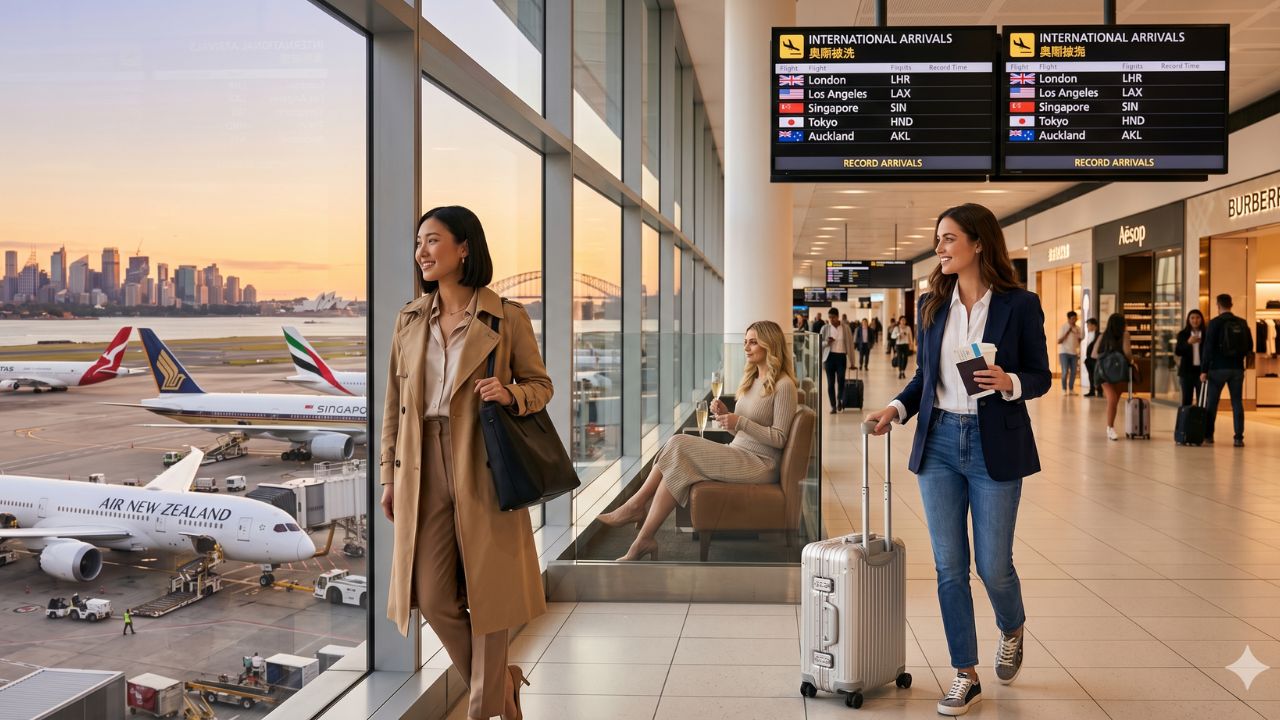
Image generated by AI
A Massive Capacity Meltdown Paralyzes Australian Hubs
While massive sectors of the global passenger network frequently battle highly unpredictable labor shortages, synchronized logistical bottlenecks, and horrific commercial fleet constraints, unprecedented surges in inbound leisure travel remain the absolute most terrifying catalyst for cascading airport disruptions. Delivering highly urgent, breaking airline news, verified Oceanic aviation trackers confirm that a catastrophic operational bottleneck has actively generated severe travel chaos across the massive Australian aviation network. Today, June 3, 2026, severe terminal distress forcefully emerged following an unprecedented, overwhelming surge of international tourists violently flooding into Sydney and Melbourne airports, completely pushing local aviation infrastructure to its absolute breaking point.
While desperate travelers usually attempt to navigate sudden, terrifying flight cancellations caused by severe weather, these exclusive aviation updates reveal a highly systemic, incredibly disruptive capacity crisis triggered by pure passenger volume. Verified government data confirms that this massive operational strain is a direct result of millions of inbound tourists arriving from New Zealand, the United Kingdom, the United States, China, India, and Japan. This horrific logistical overload is actively destroying the operational efficiency of Australia's primary gateways, violently stranding domestic commuters in massive security queues and forcing legacy carriers like Qantas, Virgin Australia, Emirates, Singapore Airlines, and Air New Zealand to frantically adjust their flight schedules to prevent total terminal gridlock.
Expanded Overview: The Scale of the Transcontinental Crisis
The sudden, highly publicized exposure of this massive regional operational bottleneck serves as an undeniable example of how rapidly a heavily reliant transit network can completely disintegrate under extreme passenger pressure. The massive disruption has explicitly drawn international attention to the incredibly complex, highly fragile operational ecosystem that links Australia to the world's major economic centers. For a massive continental region heavily reliant on incredibly robust, high-frequency inbound flight schedules, even a slight miscalculation in border processing speed requires incredibly precise management by airport authorities to prevent total collapse.
The terrifying reality of this crisis is found in the sheer volume of high-capacity aircraft abruptly dumping thousands of passengers into Australian arrival halls simultaneously. Government statistics shockingly reveal that international visitors in the year ending December 2025 made a staggering 8.9 million trips to the country. This catastrophic influx instantly paralyzes both inbound and outbound traffic at major hubs. When mega-hubs like Sydney and Melbourne simultaneously fail to rapidly process international customs traffic, the localized ripple effects violently spiral into a massive, unmanageable wave of terminal congestion nationwide, severely delaying connecting domestic flights to regional destinations.
Section-Wise Breakdown of the Connectivity Crisis
The Sydney and Melbourne Meltdown
Australia’s largest airports are currently experiencing a terrifying resurgence in international travel that they are visibly struggling to safely contain. Sydney Airport is aggressively leading international travel volume but is reporting record, highly dangerous crowding during peak arrival periods, stretching border force personnel to their absolute limits. Simultaneously, Melbourne Airport is reporting record capacity strain, with legacy airlines operating relentless staged flights from Asia, Europe, and North America. This massively increased air travel has violently strained basic passenger services, resulting in excruciatingly lengthy queues that snake outside terminal doors. Both airports are currently locked in a desperate race to optimize traveler processing before the pressure completely collapses daily operations.
The Global Aviation Response
Airlines both within and outside Australia have forcefully responded to this extreme spike in demand by heavily enlarging their service offerings. Major legacy carriers, including Qantas, Virgin Australia, Emirates, Singapore Airlines, and Air New Zealand, have aggressively increased their seating capacity to capitalize on the boom. While highly profitable for the airlines, these massive capacity dumps create severe logistical nightmares on the ground. To alleviate the terrifying pressure on Sydney and Melbourne, smart international carriers are heavily targeting secondary hubs; Adelaide Airport, for example, is experiencing massive growth as Emirates and Air New Zealand eagerly route flights there to completely bypass East Coast terminal gridlock.
The Economics of Airport Congestion
Despite the grueling travel chaos, the resurgence of international visitor arrivals brings massive, undeniable economic advantages to the Australian market. The total spending of international visitors violently surged to an incredible $55.7 billion for the 12 months ending December 2025—a massive 14% year-over-year increase. These funds aggressively fuel transport, retail, lodging, and food sectors. Sydney and New South Wales predictably captured the highest number of arrivals, while Melbourne remains heavily preferred by affluent visitors from the UK and USA. Queensland continues to absorb massive influxes of New Zealanders and Japanese tourists seeking premium holiday destinations.
Verified Australian Tourism and Arrival Data
To fully comprehend the massive operational scale and severe capacity strain dictating this highly volatile national crisis, the following tables explicitly detail the exact short-term arrival metrics and financial impacts officially recorded for December 2025:
Short-Term Visitor Arrivals (December 2025 Peak)
| Global Source Market | Total Monthly Arrivals | Primary Impact Zone |
|---|---|---|
| New Zealand | 142,420 Arrivals | Massive strain on East Coast trans-Tasman routes. |
| United Kingdom | 138,610 Arrivals | Heavy congestion in Melbourne and Sydney arrivals. |
| United States | 102,590 Arrivals | Surging demand for premium transpacific connectivity. |
| China | 83,120 Arrivals | Rapidly rebounding group and leisure travel. |
| India | 46,860 Arrivals | High-frequency VFR (Visiting Friends/Relatives) traffic. |
| Japan | 42,050 Arrivals | Concentrated capacity strain on Queensland hubs. |
2025 Annual Economic Impact Summary
| Tourism Economic Metric | Verified 2025 Data | National Infrastructure Impact |
|---|---|---|
| Total International Trips | 8.9 Million | Pushes major East Coast airports to the breaking point. |
| Total Visitor Spending | $55.7 Billion | Massive 14% YoY increase fueling regional economies. |
| Airlines Expanding Capacity | Qantas, Virgin, Emirates, Air NZ | Dumping thousands of extra seats into strained terminals. |
Passenger Impact: Navigating the Analytical Meltdown
For the modern commuter attempting to navigate this highly volatile Australian network, the passenger impact of this massive inbound surge is completely exhausting. Reliable domestic scheduling is the absolute backbone of multi-city itineraries frequently booked by international tourists.
- Anticipate Overwhelming Terminal Congestion: Because massive amounts of wide-body aircraft are arriving simultaneously, thousands of passengers are dumped into Sydney and Melbourne customs halls. Expect hours-long delays for border processing, baggage retrieval, and biosecurity screening.
- Prepare for Severe Domestic Delays: The massive international influx is violently delaying outbound domestic flights as ground crews struggle to turn aircraft around. Build massive time buffers of at least 4 hours if connecting from an international arrival to a domestic Australian flight.
- Bypass the East Coast Gridlock: Passengers must aggressively utilize secondary airports whenever possible. Booking direct international flights into Adelaide, Brisbane, or Perth completely bypasses the terrifying, unmanageable terminal chaos currently destroying the passenger experience in Sydney and Melbourne.
Conclusion: A Highly Volatile Transit Crisis
The massive, highly publicized inbound tourism surge currently flooding Australia represents a severe, terrifying operational crisis for the national travel sector. By actively forcing millions of passengers through strained East Coast gateways, this extreme passenger volume guarantees an incredibly stressful, highly exhausting travel experience. As operational teams frantically battle sudden logistical puzzles and severe border processing backlogs, passengers are heavily urged to aggressively monitor their bookings, thoroughly verify their electronic visas prior to boarding, and fully expect massive, cascading flight disruptions amidst unprecedented Australian travel chaos.
Key Takeaways
- Massive Terminal Gridlock: An unprecedented surge of 8.9 million international trips in 2025 has completely overwhelmed Sydney and Melbourne airports, triggering severe travel chaos.
- Top Source Markets Overloading Hubs: Massive arrival volumes from New Zealand, the UK, the USA, China, India, and Japan are pushing East Coast infrastructure to its absolute breaking point.
- Airlines Pumping Capacity: Qantas, Virgin Australia, Emirates, and Air New Zealand have aggressively increased flight capacity, successfully dumping thousands of highly profitable tourists into strained terminals daily.
- Massive Economic Windfall: Despite the agonizing airport disruptions, the inbound surge generated a massive $55.7 billion in visitor spending, heavily propping up the Australian hospitality sector.
- Passenger Survival Tactics: Travelers are aggressively urged to arrive at the airport extremely early, completely avoid connecting through Sydney or Melbourne if possible, and meticulously verify electronic visa status to prevent devastating boarding denials.
Disclaimer: The specific arrival metrics, economic spending data, and airline operational capacity expansions presented in this report are based on verified government data regarding the Australian tourism market for the year ending December 2025. Official airline routing, terminal congestion levels, and local border processing speeds are highly volatile and subject to continuous, real-time update based on active airline directives, fluctuating seasonal demand, and sudden airport staffing shifts. Prospective passengers are urgently advised to fiercely monitor their specific booking status and verify active flight schedules directly via the airline's official portal prior to airport arrival.
Disclaimer
This article is for informational and educational purposes only. It does not constitute legal, financial, or professional advice. While we strive to provide accurate and up-to-date information, travel policies, regulations, and conditions change rapidly. Always verify information with official sources before making travel decisions. Nomad Lawyer makes no representations about the accuracy, reliability, completeness, or suitability of the information provided. Readers should consult qualified professionals for advice specific to their circumstances. The views expressed in this article are those of the author and do not necessarily reflect the views of Nomad Lawyer.
Kunal K Choudhary
Co-Founder & Contributor
A passionate traveller and tech enthusiast. Kunal contributes to the vision and growth of Nomad Lawyer, bringing fresh perspectives and driving the community forward.
Learn more about our team →