
Australia Moves to Give Users Control Over Social Media Algorithms Putting Tourism Marketing in New Territory
Australia Moves to Give Users Control Over Social Media Algorithms Putting Tourism Marketing in New Territory

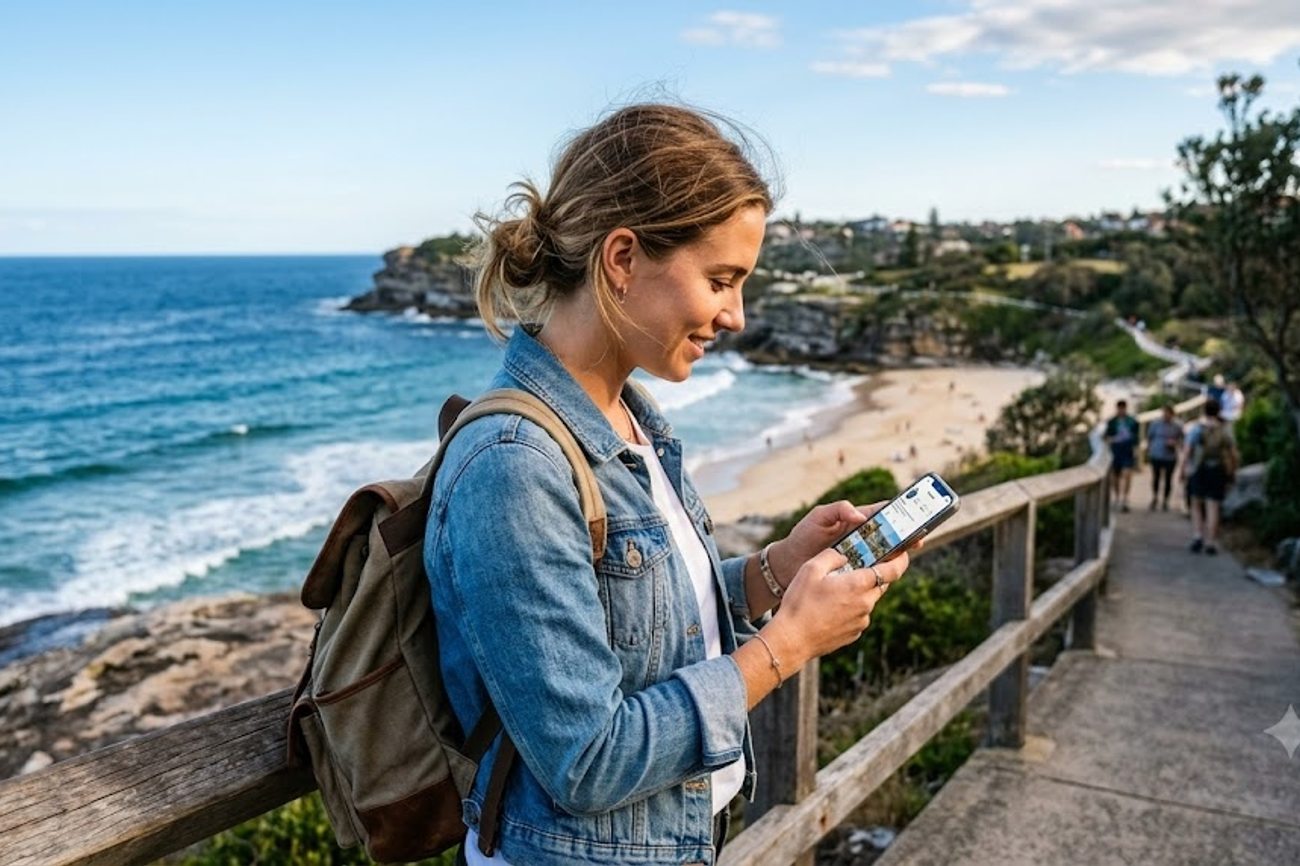
Image generated by AI
[Canberra, September 2026] — The Australian government has unveiled a draft legislative proposal that would allow citizens to opt out of personalized social media algorithms, potentially disrupting how millions of travelers discover destinations and book accommodations.
The "My Feed, My Way" provision, part of the broader Digital Duty of Care legislation released in September 2026 by the Albanese government, seeks to shift control of content recommendation systems from platform providers to the end user. If enacted, digital service providers must notify all users—both new and existing—of their ability to customize their feed settings. This would enable Australians to choose a non-algorithmic default feed, removing the personalized recommendations that currently drive a significant portion of travel inspiration and discovery.
The Digital Duty of Care Trigger
The proposed rules are the latest escalation in Australia's aggressive push toward online safety and platform accountability. Rather than focusing solely on content moderation, the government is now targeting the architectural design of social media platforms. The "My Feed, My Way" initiative specifically addresses the "recommendation engines" used by platforms to keep users engaged by serving content based on predicted interests.
This policy follows a strict regulatory trajectory. On December 10, 2025, Australia implemented a ban on social media accounts for users under 16. According to the eSafety Commissioner, platforms including TikTok, Instagram, Facebook, X, Snapchat, Threads, Twitch, YouTube, Kick, and Reddit were required to take reasonable steps to purge underage users. By mid-December 2025, these platforms had removed approximately 4.7 million accounts belonging to users under the age of 16.
The government is now expanding its scope from age-based restrictions to general platform design. The Prime Minister of Australia has positioned this as a move toward a "safer online environment" where users are not passively subjected to algorithmic curation.
Tourism Sector Exposure
While the legislation is not a tourism policy by design, the visitor economy is uniquely vulnerable to changes in algorithmic discovery. Modern travel marketing relies heavily on "discovery-based" browsing—where a user sees a viral reel of a hidden beach or a luxury hotel and is prompted to book.
The following sectors are most exposed to the potential shift in feed dynamics:
- Destination Marketing Organizations (DMOs): Entities like Tourism Australia rely on platforms like Instagram and TikTok to stimulate global conversations and showcase user-generated content.
- Boutique Accommodation & Hotels: Small-scale operators who lack massive advertising budgets often rely on "algorithmic luck" to reach new audiences.
- Airlines & Tour Operators: Companies utilizing targeted ad placements that rely on algorithmic profiling to find "high-intent" travelers.
- Local Tourism Businesses: Regional operators who use geo-targeted algorithmic feeds to attract domestic travelers.
The stakes are high given the current scale of the industry. Data from Tourism Research Australia highlights the massive economic footprint at risk:
| Tourism Indicator | Figure | Context/Timeline |
|---|---|---|
| International Trips | 8.5 Million | Year ending March 2026 |
| Holiday Trips | 3.7 Million | 14% increase vs March 2025 |
| Holiday Spend (In-Country) | A$13.5 Billion | 22% increase |
| Total International Spend | A$57.6 Billion | 16% increase |
| Tourism GDP | A$81.1 Billion | 2024–25 Period |
| Economy Share | 2.9% | 2024–25 Period |
| Tourism Employment | 727,000 Jobs | March 2026 (Up 4% YoY) |
Practical Traveler Advisory and Strategic Insights
For the average person booking a trip, the impact is less about "rules" and more about "visibility."
1. The End of the "Perfect" Suggestion Currently, if you search for "Sydney hotels," your feed will suddenly be flooded with luxury stays and dining options in New South Wales. Under "My Feed, My Way," if you choose a non-personalized feed, those tailored suggestions will vanish. You will see content chronologically or based on who you explicitly follow, rather than what an AI thinks you want.
2. Shift to Active Searching Travelers will likely move away from "passive discovery" (finding a place because it appeared in their feed) toward "active searching" (using search engines or direct booking sites). The "serendipity" of travel discovery—finding a hidden gem via a TikTok algorithm—could decrease for those who opt out of personalization.
3. Less Targeted Advertising You will see fewer ads for flights and hotels that feel "spookily accurate" to your recent conversations or browsing history. While this increases privacy, it removes the convenience of receiving timely deals on routes you are actually considering.
The Path to Implementation
The "My Feed, My Way" proposal is currently in a targeted consultation phase, having been released on September 8, 2026. It is not yet law, and there is currently no empirical evidence that it has decreased travel bookings or advertising reach.
However, the trajectory is clear. The Australian government is moving toward a model where the "black box" of the algorithm is optional. Tourism marketers are now being forced to diversify their digital strategies. Instead of relying on the "For You" page of TikTok or the "Explore" tab of Instagram, businesses are being encouraged to build direct-to-consumer relationships through email lists, loyalty programs, and SEO-driven websites.
The immediate future will likely involve a period of hybridity. Platforms will likely attempt to nudge users toward keeping their personalized feeds active, citing the "convenience" of tailored content. Meanwhile, the eSafety Commissioner will monitor whether platforms are providing clear, transparent options for users to switch their feed settings without penalty.
FAQ: Australia Social Media Rules 2026
Does this change my Australian visa or entry requirements? No. These rules apply strictly to digital platform design and social media feed algorithms. They have no impact on border controls, visa applications, or entry requirements for international visitors.
Will I still be able to see travel content on Instagram or TikTok? Yes. You will still see content from accounts you follow. However, the "recommended" content from accounts you do not follow will no longer be tailored to your specific interests if you choose the non-personalized option.
Are these rules already in effect? No. The "My Feed, My Way" provision is currently a draft proposal under consultation as of September 2026. It has not yet been enacted as a legal requirement for social media platforms.
Which platforms are affected by these proposed changes? The rules target "digital service providers" and social media platforms. Based on previous age-restriction rules, this likely includes Facebook, Instagram, TikTok, X, YouTube, Snapchat, and Reddit.
The era of algorithmic serendipity is facing its first major regulatory challenge in the Southern Hemisphere.
Related Travel Guides
- TUI Extends Sybille Reiss Leadership Role to 2030 Amid New Workforce and AI Transformation
- Visa Study Shows Adoption of Digital Remittances Accelerates in Asia Pacific, with Trust Emerging as a Critical Enabler
- US Healthcare Jobs Face AI Revolution: EMTs and Paramedics Among 10 Professions With Near-Zero Replacement Risk
Disclaimer
This article is for informational and educational purposes only. It does not constitute legal, financial, or professional advice. While we strive to provide accurate and up-to-date information, travel policies, regulations, and conditions change rapidly. Always verify information with official sources before making travel decisions. Nomad Lawyer makes no representations about the accuracy, reliability, completeness, or suitability of the information provided. Readers should consult qualified professionals for advice specific to their circumstances. The views expressed in this article are those of the author and do not necessarily reflect the views of Nomad Lawyer.
Kunal K Choudhary
Co-Founder & Contributor
A passionate traveller and tech enthusiast. Kunal contributes to the vision and growth of Nomad Lawyer, bringing fresh perspectives and driving the community forward.
Learn more about our team →