
Australia, Malaysia, Japan, China, and India Strengthen Air Travel Networks: Malaysia Airlines Expands Brisbane Service to Daily Operations by October 2026
Malaysia Airlines increases Brisbane flights from 5 to 6 weekly services in August 2026, reaching daily operations by October. A330neo aircraft deployment enhances Asia-Pacific connectivity.

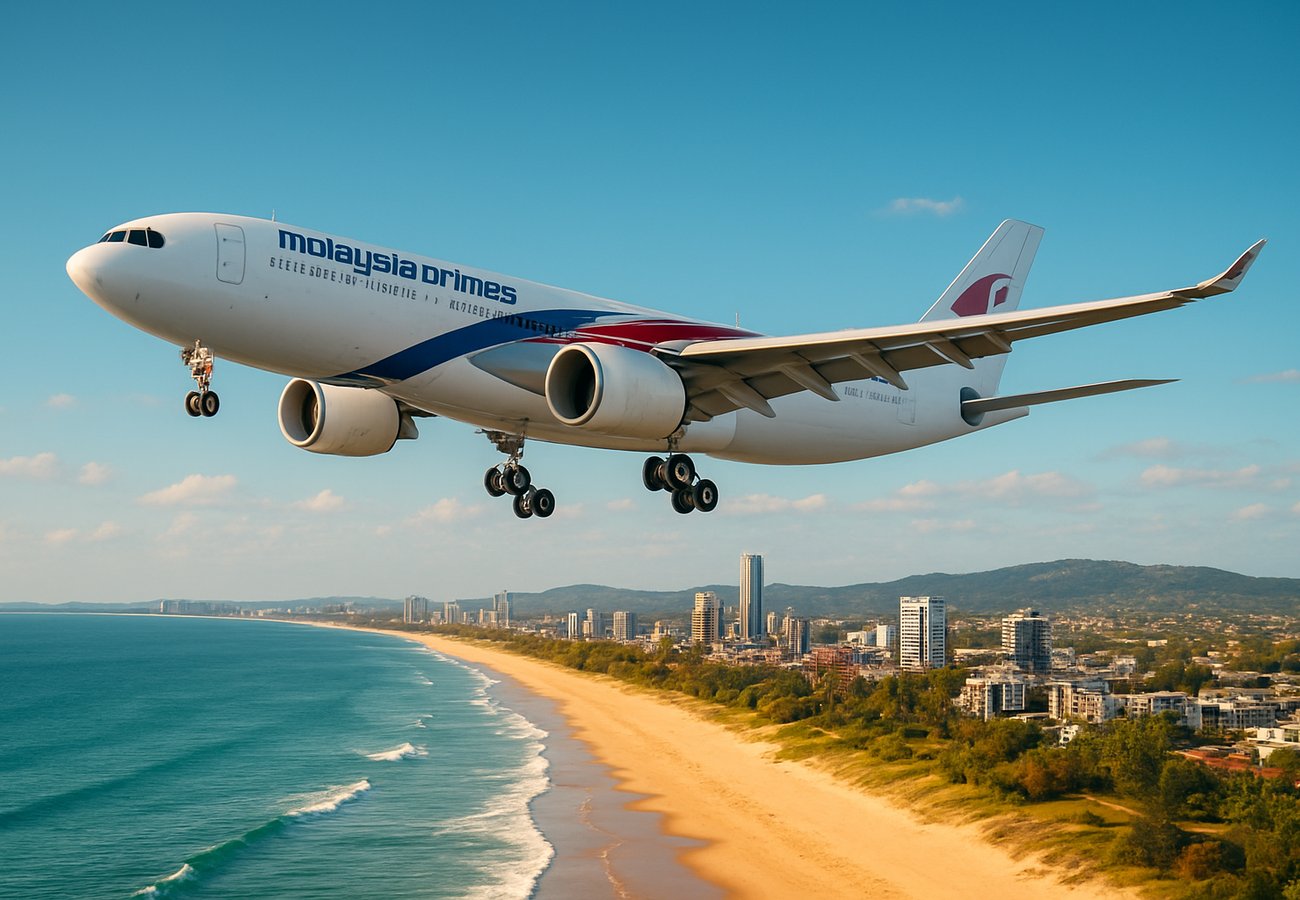
Image generated by AI
Malaysia Airlines Accelerates Brisbane Route Expansion Amid Strong Regional Demand
Malaysia Airlines is significantly deepening its aviation presence between Australia and Southeast Asia, capitalizing on rising passenger demand across the Kuala Lumpur–Brisbane corridor. The airline will increase service frequency from five weekly flights to six services beginning August 2026, with a transition to daily operations scheduled for late October 2026. This strategic expansion underscores robust outbound and inbound travel momentum between Australia, Malaysia, Japan, China, and India, reinforcing Kuala Lumpur as a critical regional aviation gateway.
The expansion builds on the successful relaunch of the Brisbane route in late 2025, which has already achieved passenger load factors approaching 90%, demonstrating sustained demand across leisure, business, and transit travel segments. The introduction of new-generation Airbus A330neo aircraft is transforming the route into a premium long-haul offering, aligning with broader Asia-Pacific tourism recovery trends and strengthening connectivity between Oceania and key global markets.
Brisbane Emerges as Australia's High-Growth Aviation Gateway
Brisbane Airport is undergoing rapid transformation, supported by strong international travel demand and strategic airline investments. The decision to scale up Malaysia Airlines operations reflects the city's growing importance as a long-haul hub in Queensland.
The airport recorded 25 million passengers in 2025, marking a record year and demonstrating resilience amid global aviation uncertainties. With 35 international destinations now connected to Brisbane, the city is positioning itself as a vital entry point for travelers heading into Australia and the wider Oceania region.
This expansion aligns with broader travel recovery patterns across the Asia-Pacific, where international passenger volumes have been steadily rebounding, driven by:
- Pent-up demand from travel restrictions
- Relaxed travel protocols
- Improved airline capacity and fleet modernization
Fleet Modernization: A330neo Deployment Signals Competitive Advantage
Next-Generation Aircraft Enhances Passenger Experience
A key highlight of this route expansion is the gradual introduction of the Airbus A330neo, a next-generation widebody aircraft engineered for operational efficiency and passenger comfort. This aircraft upgrade is expected to significantly enhance the onboard experience on the Kuala Lumpur–Brisbane route.
Key improvements delivered by the A330neo include:
- Enhanced fuel efficiency, supporting sustainable aviation goals and reducing operational costs
- Improved cabin pressure and air quality, reducing long-haul fatigue for international travelers
- Modern in-flight entertainment systems and premium seating configurations
- Reduced noise footprint, benefiting both passengers and airport communities
For long-haul travelers, particularly those connecting between Australia and Europe, India, or North Asia, these upgrades contribute to a more seamless and comfortable journey.
Kuala Lumpur Reinforces Strategic Position as Asia-Pacific Transit Hub
The increase in Brisbane flights extends beyond point-to-point demand—it substantially strengthens Kuala Lumpur's position as a central transit hub connecting multiple continents and enabling efficient multi-destination travel.
From Kuala Lumpur, travelers gain efficient access to:
- India (key metros and secondary cities)
- Japan (including resumed connectivity to Fukuoka)
- China (new routes such as Shenzhen and Changsha)
- Europe via onward connections
This hub strategy is particularly relevant for travelers seeking cost-effective and time-efficient routing options between Australia and Asia or Europe. The airline's broader network expansion reflects a deliberate focus on high-demand, high-yield routes, ensuring commercial sustainability while meeting evolving traveler preferences.
Economic and Tourism Ripple Effects Across Australia and Asia
Queensland's Inbound Tourism Sector Poised for Growth
The expansion is expected to deliver substantial benefits for Queensland's tourism sector. Increased seat capacity translates to:
- Higher inbound visitor numbers from Malaysia, India, China, and Japan
- Greater accessibility for international tourists exploring Brisbane and surrounding regions
- Strengthened business travel flows supporting trade and investment activities
Tourism authorities have consistently identified aviation capacity as a key driver of international visitor growth. With more frequent flights, Brisbane becomes increasingly competitive against other Australian gateways like Sydney and Melbourne.
Enhanced Outbound Travel Options for Australian Residents
For Australian travelers, the added frequency offers:
- Greater flexibility in travel planning and scheduling
- Improved access to multi-destination itineraries across Asia
- Competitive pricing due to increased capacity and market competition
This expansion is particularly significant as Australians increasingly explore Southeast Asia, Japan, and India for both leisure and business travel purposes.
What This Means for Travelers
Smart Routing Strategies for Multi-Country Itineraries
Travelers can leverage the expanded Kuala Lumpur hub to design efficient, cost-effective itineraries:
- Combine Australia–Malaysia–India trips with minimal transit time
- Explore Japan and China through a single stopover in Kuala Lumpur
- Use Malaysia as a budget-friendly alternative hub compared to traditional transit points like Singapore or Bangkok
Optimal Booking Timing Amid Rising Demand
With frequencies increasing gradually through August and October:
- Early booking for peak travel seasons (year-end holidays, spring travel) is advisable to secure preferred flights
- Mid-week departures may offer better availability and competitive pricing
- Flexible travel dates can help secure optimal fares and preferred flight times
Network Expansion Signals Confidence in Asia-Pacific Aviation Recovery
Malaysia Airlines' broader network strategy—resuming routes to Japan and expanding into China—highlights a wider industry trend: Asia-Pacific is regaining its position as a global aviation powerhouse. According to data from the International Air Transport Association (IATA), international traffic in the region has been steadily climbing, supported by:
- Reopening of major economies and removal of travel restrictions
- Growing middle-class travel demand across emerging markets
- Expansion of airline fleets and route networks
- Improved airport infrastructure and connectivity
The Brisbane route stands out as a high-performing corridor, making it a priority for capacity growth and strategic investment.
Sustainable Growth and Long-Term Market Strategy
The airline's expansion reflects a disciplined approach to network planning, focusing on routes with proven demand and long-term growth potential. High load factors and consistent passenger volumes have made Brisbane one of Malaysia Airlines' standout destinations.
Simultaneously, the introduction of fuel-efficient aircraft like the A330neo aligns with broader industry goals around sustainable aviation and reduced carbon emissions. According to FlightAware's aviation analytics, modern widebody aircraft deployments are increasingly central to airline strategies balancing capacity growth with environmental responsibility.
A New Phase of Connectivity Between Continents
The strengthening of air links between Australia, Malaysia, Japan, China, and India marks a new chapter in global connectivity. Brisbane's rise as a dynamic international gateway, combined with Kuala Lumpur's strategic positioning, is reshaping travel flows across the Asia-Pacific region.
For travelers, this translates into:
- Greater choice in routing and airline options
- Improved comfort through modern aircraft deployment
- More seamless global connectivity and reduced travel friction
- Enhanced competitive pricing due to increased capacity
The expansion demonstrates how strategic airline investments in high-demand corridors create cascading benefits across tourism, trade, and economic development throughout the region.
Related Travel Guides
- Korean Air, Asiana, Qantas, United, and Delta Enter Emergency Mode: Unpaid Leave, Route Cuts, and Record Fuel Surcharges Reshape Global Aviation in April 2026
- China Completes the World's Tallest Bridge: The Huajiang Grand Canyon Megastructure Opens
- New London Heathrow to Seoul Incheon Direct Route Transforms UK-Asia Travel With Boeing 787-9 Daily Service
Disclaimer
This article is for informational and educational purposes only. It does not constitute legal, financial, or professional advice. While we strive to provide accurate and up-to-date information, travel policies, regulations, and conditions change rapidly. Always verify information with official sources before making travel decisions. Nomad Lawyer makes no representations about the accuracy, reliability, completeness, or suitability of the information provided. Readers should consult qualified professionals for advice specific to their circumstances. The views expressed in this article are those of the author and do not necessarily reflect the views of Nomad Lawyer.
Kunal K Choudhary
Co-Founder & Contributor
A passionate traveller and tech enthusiast. Kunal contributes to the vision and growth of Nomad Lawyer, bringing fresh perspectives and driving the community forward.
Learn more about our team →