
Athens Tram Network Expansion 2026: Piraeus to Perama Extension Unlocks Salamina Island Access
Greece is expanding the Athens tram system from Piraeus to Perama, creating a sustainable multimodal link to Salamina Island and the industrial waterfronts of Drapetsona and Keratsini.

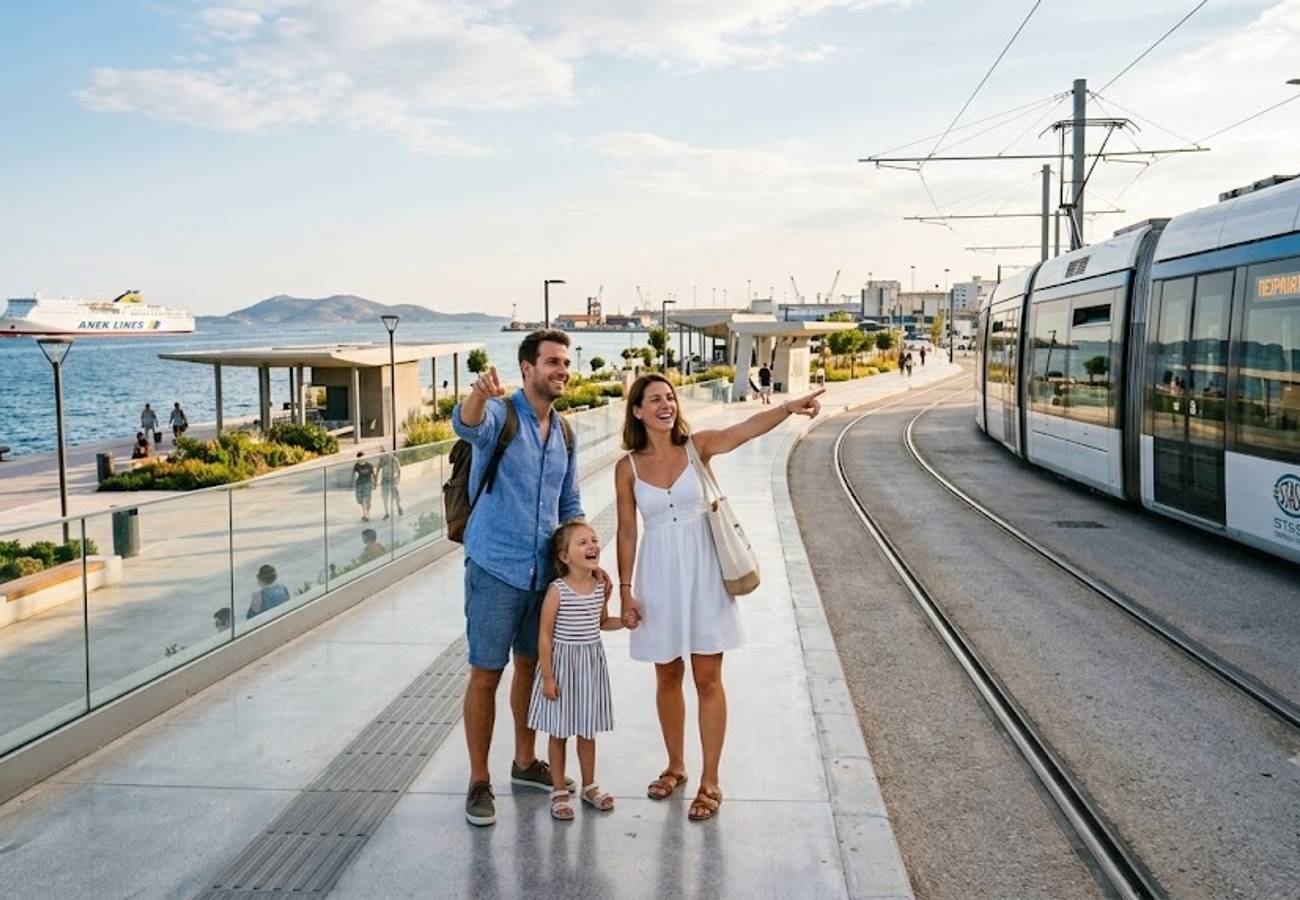
Image generated by AI
The western edge of the Athens metropolitan area is set for a mobility revolution. A planned tram extension from Piraeus to Perama will bridge the gap between the city's historic center and the gateway to Salamina Island.
The Local Trend Revealed: Shifting the Tourist Compass Westward
For decades, international visitors to Athens have adhered to a predictable loop: the Acropolis, Plaka, and perhaps a trip to the Athens Riviera. However, a strategic shift in urban planning is now redirecting attention toward Western Attica. The proposed expansion of the Athens tram system—stretching from Piraeus through Drapetsona and Keratsini to the Perama Ferry Terminal—is designed to break the reliance on private cars and buses in one of the city's most congested corridors.
This is not merely a commuting project; it is a diversification strategy. By integrating electric tram services with maritime connections, Greece is opening up "authentic" Athens. Drapetsona and Keratsini, long defined by their industrial and shipping identities, are undergoing a metamorphosis. Urban renewal projects have transformed these districts into areas of interest featuring waterfront promenades and community markets, all of which will become significantly more accessible to the cruise passengers arriving at the Piraeus port.
Cultural & Environmental Value: Beyond the Tourist Bubble
For the visitor, the real impact is the seamless transition from urban rail to island exploration. The western terminus at the Perama Ferry Terminal serves as the primary artery to Salamina Island, the largest landmass in the Saronic Gulf.
By removing the friction of transfers, the project elevates Salamina from a niche local getaway to a viable day-trip destination. This shift supports the regional heritage of the island, where visitors can explore the sites of the Battle of Salamis—one of antiquity’s most decisive naval victories—without contributing to the traffic congestion of the mainland.
From an ecological standpoint, this move aligns with the mandates of regional conservation bodies and the Greek government's push for low-carbon mobility. Replacing diesel bus routes with low-floor electric trams reduces the carbon footprint of the "last mile" journey to the ferries, ensuring that the growth in tourism does not come at the cost of the Saronic Gulf's air and water quality.
Visitor Insider Tips: Navigating Western Attica
To make the most of this evolving region, travelers should look beyond the primary maps:
- The "Slow" Route: While the tram will eventually streamline the trip, current visitors can explore the Drapetsona waterfront on foot to find traditional tavernas that remain untouched by the high prices of the city center.
- Salamina Timing: To avoid the crowds, aim for mid-week crossings from Perama. The island's Byzantine monasteries and hidden beaches are far more serene on Tuesdays and Wednesdays.
- Maritime Etiquette: When visiting the industrial shipyards of Perama, remember that these are active working zones. Stick to designated pedestrian paths and respect the operational boundaries of the ship-repair docks.
- Local Flavor: Seek out the seafood restaurants in the small fishing villages of Salamina; they often source their catch directly from the boats docked meters away from the tables.
Tourism Outlook: A Multimodal Future
The long-term trajectory for Athens is one of decentralization. By linking the Piraeus Metro and Railway stations to the Perama Ferry Terminal via a sustainable tram line, Greece is creating a blueprint for multimodal transit. This infrastructure will likely lead to an increase in "slow travel" itineraries, where tourists spend more time in residential and industrial districts, distributing economic benefits more equitably across the metropolitan area.
As the project moves from the planning phase toward implementation, the expected result is a more resilient tourism model—one that prioritizes accessibility and environmental stewardship over mass-transit congestion.
Regional Connectivity Overview
| Feature | Detail |
|---|---|
| Proposed Route | Piraeus $\rightarrow$ Drapetsona $\rightarrow$ Keratsini $\rightarrow$ Perama Ferry Terminal |
| Primary Connection | Direct access to Salamina Island via Perama Ferries |
| Key Transit Hubs | Piraeus Metro, Piraeus Railway Station, Athens Tram Network |
| Proximity to Airport | Athens International Airport (ATH) $\approx$ 45 km from Piraeus |
| Primary Attractions | Battle of Salamis sites, Marina Zeas, Mikrolimano, Drapetsona Waterfront |
The road to Salamina is becoming shorter, greener, and far more accessible.
Related Travel Guides
Disclaimer
This article is for informational and educational purposes only. It does not constitute legal, financial, or professional advice. While we strive to provide accurate and up-to-date information, travel policies, regulations, and conditions change rapidly. Always verify information with official sources before making travel decisions. Nomad Lawyer makes no representations about the accuracy, reliability, completeness, or suitability of the information provided. Readers should consult qualified professionals for advice specific to their circumstances. The views expressed in this article are those of the author and do not necessarily reflect the views of Nomad Lawyer.
Preeti Gunjan
Contributor & Community Manager
A passionate traveller and community builder. Preeti helps grow the Nomad Lawyer community, fostering engagement and bringing the reader experience to life.
Learn more about our team →