
Aviation Updates: Generation Z Flees Summer Travel Chaos for Aspen, Banff, and the Ultimate Americas 'Coolcation'
As catastrophic logistical bottlenecks severely paralyze massive tropical transit grids, Generation Z aggressively shifts toward North American 'coolcations' to completely shield their holidays from airport congestion.

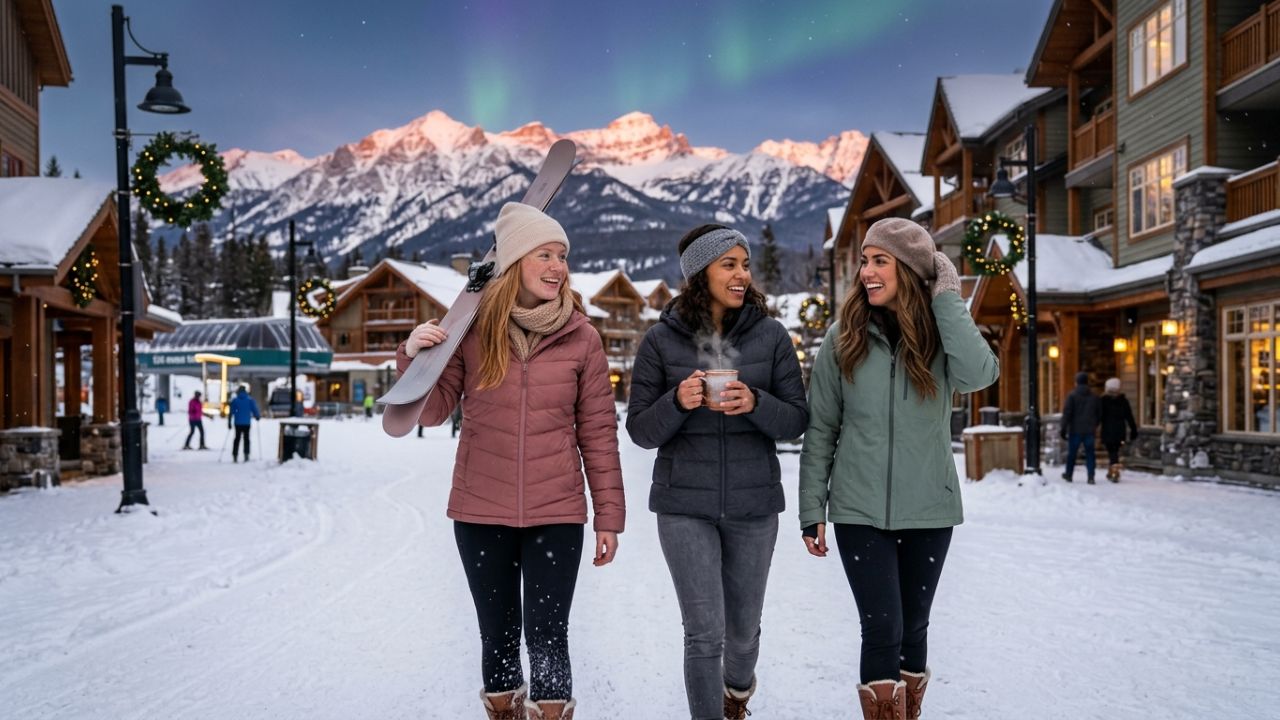
Image generated by AI
Aviation Updates: Generation Z Flees Summer Travel Chaos for Aspen, Banff, and the Ultimate Americas 'Coolcation'
As extreme operational friction and suddenly compounding infrastructure bottlenecks continue to terrorize standard travel itineraries to overheated tropical zones, highly influential Generation Z travelers are aggressively weaponizing the 'coolcation' trend to completely protect their luxury vacations from regional gridlock.
Image generated by AI
As high-impact airline news platforms rapidly issue continuous, grim aviation updates regarding the intense fragility of massively congested primary summer transit grids, a massive shift in global tourism flow has been officially verified. Amidst widespread rolling travel chaos, severe airport disruptions, and devastatingly frequent flight cancellations severely plaguing heavily overcrowded hot-weather destinations, Generation Z is aggressively abandoning the traditional summer beach holiday. Instead, these highly influential travelers are violently pivoting toward reliable, culturally authentic winter and "coolcation" destinations across the Americas. Iconic, high-altitude havens such as Aspen, Banff, Whistler, and Quebec City are aggressively capturing this massive demographic surge. By offering world-class ski resorts, magical Christmas atmospheres, Northern Lights excursions, and bucket-list adventures, these destinations completely shield premium travelers from the agonizing delays and extreme heatwaves currently suffocating vast segments of the global travel network.
Expanded Overview: The Collapse of the Tropical Escape
To fully comprehend the sheer scale of this strategic tourism shift, aviation analysts must closely examine how rapidly severe environmental and operational bottlenecks violently reshape long-haul booking conversions.
The Americas—specifically the United States and Canada—offer some of the absolute finest cool-weather destinations on the planet. For decades, traditional tourism heavily prioritized tropical beach escapes. However, rising global temperatures and catastrophic infrastructure failures at highly vulnerable island airports have violently altered traveler priorities. Generation Z, armed with massive digital influence and a fierce demand for sustainability, wellness, and authentic outdoor adventure, is aggressively driving the "coolcation" movement. By deliberately choosing cooler climates, they seamlessly bypass the terrified, stranded crowds desperately attempting to flee over-commercialized sun-and-sea hotspots. The sheer diversity found across the Americas allows these visitors to violently transition between adrenaline-filled Rocky Mountain adventures and peaceful Arctic nature escapes, all while relying on vastly superior, disruption-resistant tourism infrastructure.
Section-Wise Breakdown: The North American Winter Fortresses
To aggressively capture this massive demographic shift, elite mountain resorts and high-altitude cities are flawlessly optimizing their hospitality networks.
The Colorado Dominance: Colorado remains the absolute beating heart of United States winter tourism. Globally recognized mountain mega-resorts—explicitly including Aspen, Vail, Breckenridge, and Telluride—offer thousands of acres of pristine ski terrain, hyper-luxurious alpine accommodation, and vibrant après-ski environments. Aspen has violently established itself as the absolute pinnacle of luxury travel, while Vail leverages its massive ski area to effortlessly absorb high visitor volumes without triggering localized congestion.
Canada's Elite Northern Sanctuaries: North of the border, Banff National Park operates as Canada’s massive flagship winter destination, flawlessly combining dramatic Rocky Mountain landscapes with elite luxury resorts. Nearby Canmore provides a highly strategic, quieter alternative, allowing elite travelers to experience the Rockies without battling massive crowds. Meanwhile, Whistler consistently dominates the international ski industry, heavily leveraging its Olympic legacy to attract professional athletes and high-yield recreational skiers seeking extreme terrain and flawlessly managed mountain villages. Furthermore, destinations like Quebec City and Ottawa (featuring the massive Rideau Canal and Winterlude festival) heavily dominate the cultural winter tourism sector.
Destination Details: The Ultimate Americas Coolcation Matrices
To ensure international travelers and commercial travel analysts can accurately track the incredibly precise destination telemetry of this massive coolcation shift, the verified travel data has been consolidated into the exact, mandatory matrices below.
Table 1: United States Winter Destination Matrix
| Destination | State | Why Visit in Winter | Best For |
|---|---|---|---|
| Aspen | Colorado | World-renowned skiing, luxury resorts | Luxury travellers, Skiers |
| Vail | Colorado | Largest ski terrain in Colorado | Families, Adventure |
| Park City | Utah | Largest US ski resort, Sundance | Skiing, Entertainment |
| Jackson Hole | Wyoming | Extreme skiing, wildlife safaris | Adventure seekers |
| Lake Placid | New York | Olympic heritage, ice skating | Families |
| Stowe | Vermont | Charming New England scenery | Romantic holidays |
| Breckenridge | Colorado | Historic mining town, festivals | Couples, Skiers |
| Telluride | Colorado | Scenic mountains, luxury lodges | Premium travellers |
| Leavenworth | Washington | Bavarian Christmas village | Christmas tourism |
| Fairbanks | Alaska | Northern Lights, dog sledding | Aurora tourism |
| Anchorage | Alaska | Wildlife, glaciers, snow adventures | Outdoor enthusiasts |
| New York City | New York | Holiday markets, Broadway | Urban tourism |
| Miami | Florida | Warm winter escape, beaches | Sunshine holidays |
| Key West | Florida | Tropical climate, diving | Beach holidays |
| Sedona | Arizona | Mild temperatures, red rock hiking | Wellness travel |
Table 2: Canadian Winter Destination Matrix
| Destination | Province | Why Visit in Winter | Best For |
|---|---|---|---|
| Banff National Park | Alberta | Spectacular Rockies, frozen lakes | International tourists |
| Whistler | British Columbia | Top ski destination, Olympic legacy | Skiers |
| Jasper | Alberta | Dark Sky Preserve, wildlife | Nature lovers |
| Quebec City | Quebec | European-style old town, Winter Carnival | Cultural tourism |
| Ottawa | Ontario | Rideau Canal skating, Winterlude | Families |
| Mont-Tremblant | Quebec | French alpine village, luxury resorts | Couples |
| Yellowknife | Northwest Territories | World's best Northern Lights | Aurora tourism |
| Churchill | Manitoba | Polar bears, Northern Lights | Wildlife tourism |
| Canmore | Alberta | Rocky Mountains with fewer crowds | Outdoor recreation |
| Niagara Falls | Ontario | Frozen waterfalls, Festival of Lights | Couples |
| Victoria | British Columbia | Mildest winter climate, gardens | Leisure travel |
| Tofino | British Columbia | Storm watching, coastal resorts | Luxury tourism |
| New Brunswick | Atlantic Canada | Ice caves, dark-sky experiences | Adventure tourism |
| Northern Quebec | Quebec | Indigenous-led experiences, ice fishing | Cultural tourism |
Table 3: Americas Coolcation Ranking Matrix
| Rank | Destination | Region | Why It Is a Coolcation |
|---|---|---|---|
| 1 | Canada | North America | Rocky Mountains, glaciers, sustainable tourism |
| 2 | United States | North America | Alaska, Pacific Northwest, mountain parks |
| 3 | Mexico | North America | High-altitude cities, central plateau towns |
| 4 | Greenland | Arctic/North America | Icebergs, glaciers, polar landscapes |
| 5 | Chile | South America | Patagonia, Andes Mountains, southern climate |
| 6 | Ecuador | South America | Andes Highlands, volcanoes, cloud forests |
| 7 | Brazil | South America | Southern mountain regions, inland forests |
| 8 | Costa Rica | Central America | Cloud forests, volcanic highlands |
| 9 | Peru | South America | Andes, Cusco region, Sacred Valley |
| 10 | Colombia | South America | Medellín’s eternal spring, mountain landscapes |
| 11 | Argentina | South America | Patagonia, Lake District, glaciers |
| 12 | Uruguay | South America | Coastal retreats, wine tourism, mild climate |
| 13 | Bolivia | South America | Altiplano, Uyuni Salt Flats |
| 14 | Panama | Central America | Highland regions (Boquete) |
| 15 | Guatemala | Central America | Highlands, volcanoes, temperate lakes |
Industry Analysis: The Evolution of Seasonal Travel
Air travel explicitly across the massive Americas corridor continues to fundamentally evolve, driven violently by incredibly aggressive shifts toward sustainable, climate-conscious experiential itineraries.
The massive popularity of the coolcation explicitly reflects vastly broader changes in global tourism preferences. Generation Z refuses to tolerate the agonizing delays and severe discomfort of massive Mediterranean or Caribbean heatwaves. Instead, they demand highly stable destinations where they can successfully execute hiking, wildlife observation, and intense winter sports without the horrifying threat of extreme weather collapsing their schedules. Nations across the Americas—from Canada to Chile—are aggressively responding by heavily investing in sustainable tourism infrastructure, violently expanding protected natural areas, and promoting elite eco-experiences that balance massive visitor growth with extreme environmental responsibility.
Passenger Impact: Flawless Climate Control
For the everyday premium international traveler and highly mobile Generation Z digital nomad, the immediate consequence of this massive shift directly translates to a monumental, highly verified reduction in regional transit anxiety.
Travelers desperately attempting to navigate standard summer itineraries frequently encounter heavily delayed baggage transfers, catastrophic missed connections, and the terrifying threat of sudden airport gridlock triggered by extreme weather events. By aggressively booking coolcations in high-altitude zones like Aspen, Whistler, or the Andes, tourists are explicitly creating a highly controlled, flawlessly managed travel ecosystem. The ability to completely bypass the notorious congestion of over-commercialized sun-and-sea hubs means families can effortlessly access elite cultural programming and extreme winter sports with absolute zero transit friction, keeping their highly complex vacations totally intact.
Conclusion: A Smarter Tourism Strategy
Ultimately, the aggressive, highly calculated shift toward North American and broader Americas coolcations marks a massively significant advancement in global tourism dynamics. By fiercely offering climate stability, massive outdoor infrastructure, and highly immersive cultural experiences, these destinations massively enhance travel flexibility for international VIPs and younger demographics alike.
As competition among global mega-destinations continues to aggressively intensify, operational reliability and sustainable climate deployment are becoming the absolute critical factors in tourism dominance. With highly strategic cultural programming and flawless execution of luxury hospitality, Aspen, Banff, Whistler, and their international counterparts are flawlessly positioning themselves to aggressively capture the massive year-round passenger surge, violently shielding their rapidly expanding customer base from the agonizing travel chaos currently gripping vastly less-prepared, heat-stricken travel networks.
Key Takeaways
- Generation Z Shift: Massive numbers of young, influential travelers are aggressively abandoning overcrowded tropical hotspots for elite 'coolcations'.
- The Colorado Mega-Hubs: Aspen, Vail, and Breckenridge violently dominate US winter tourism, offering unmatched luxury and massive ski terrain.
- Canada's Northern Fortresses: Banff, Whistler, and Quebec City effortlessly capture massive international demand by blending extreme sports with deep cultural heritage.
- The Rise of the Americas: The coolcation trend extends massively into Latin America, with high-altitude regions in Chile, Ecuador, and Colombia ranking globally.
- Bypassing Travel Chaos: Travelers deliberately choose these heavily fortified, climate-stable destinations to totally avoid the catastrophic flight delays plaguing extreme heat zones.
FAQ: Americas Coolcation Trend
What is a 'coolcation'? A coolcation is a massive travel shift where tourists deliberately avoid extreme heat waves by booking holidays in high-altitude mountain regions, glacial zones, and temperate climates to ensure a vastly more comfortable, disruption-free experience.
Why are Aspen and Banff so popular with Generation Z? Generation Z aggressively prioritizes authentic, highly sustainable outdoor experiences over generic beach holidays. Aspen and Banff offer world-class skiing, magical atmospheres, and elite luxury infrastructure that perfectly align with these demands.
Where is the best place to see the Northern Lights? In North America, elite destinations like Fairbanks (Alaska), Yellowknife, and Churchill (Canada) offer the absolute best, most reliable Aurora borealis experiences on the continent.
Are there coolcation options in Latin America? Absolutely. The massive Andes mountain range offers incredible high-altitude coolcations, explicitly including the Patagonia regions of Chile and Argentina, the cloud forests of Costa Rica and Ecuador, and the eternal spring climate of Medellín, Colombia.
Related Travel Guides
Morocco Tourism Surge World Cup 2026 Travel Chaos
London Outpaces Paris North American Travel Chaos 2026
Americas Regional Tourism and Transit Survival Guide 2026
Disclaimer: This article is strictly for informational and tourism tracking purposes. The specific coolcation rankings and destination attributes are based on verified travel intent data available at the time of publication. Regional weather conditions (including extreme winter storms or unexpected heat spikes), specific airline scheduling optimizations, local ski resort operational statuses, and international border/visa protocols are highly dynamic and subject to immediate modification by the operating carriers and government authorities. Passengers planning international travel to high-altitude or Arctic environments should explicitly verify their exact itineraries via official platforms, strictly monitor their airlines for sudden flight cancellations due to winter weather, and secure comprehensive travel insurance prior to departure.
Disclaimer
This article is for informational and educational purposes only. It does not constitute legal, financial, or professional advice. While we strive to provide accurate and up-to-date information, travel policies, regulations, and conditions change rapidly. Always verify information with official sources before making travel decisions. Nomad Lawyer makes no representations about the accuracy, reliability, completeness, or suitability of the information provided. Readers should consult qualified professionals for advice specific to their circumstances. The views expressed in this article are those of the author and do not necessarily reflect the views of Nomad Lawyer.
Kunal K Choudhary
Co-Founder & Contributor
A passionate traveller and tech enthusiast. Kunal contributes to the vision and growth of Nomad Lawyer, bringing fresh perspectives and driving the community forward.
Learn more about our team →