
Aviation Updates: Massive World Cup Broadcast Triggers Explosive Morocco Tourism Surge Amid Global Travel Chaos
As catastrophic logistical bottlenecks severely paralyze traditional travel corridors, an 11.2 million viewer World Cup broadcast violently triggers a massive surge in Morocco tourism from Spanish-speaking markets.

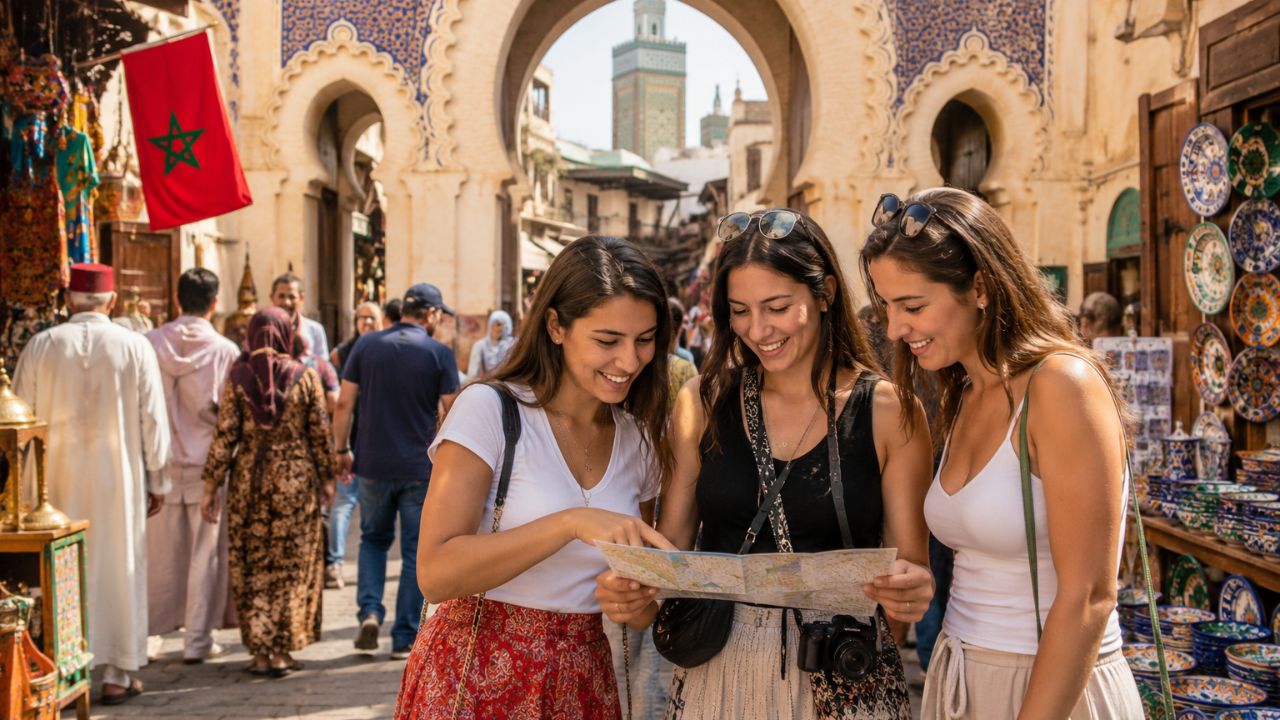
Image generated by AI
Aviation Updates: Massive World Cup Broadcast Triggers Explosive Morocco Tourism Surge Amid Global Travel Chaos
As extreme operational friction and suddenly compounding infrastructure bottlenecks continue to terrorize standard travel itineraries globally, a massive sporting broadcast has violently accelerated Spanish-speaking travel demand directly into Morocco, actively reshaping North African tourism corridors.
Image generated by AI
As high-impact airline news platforms rapidly issue continuous, grim aviation updates regarding the intense fragility of massively congested primary international transit grids, a highly lucrative shift in global tourism flow has been officially verified. Amidst widespread rolling travel chaos, severe airport disruptions, and devastatingly frequent flight cancellations severely plaguing heavily overcrowded European and American hubs, the FIFA World Cup 2026 has violently emerged as a massive catalyst for North African tourism. Official broadcast telemetry confirms that tournament coverage drew a staggering 11.2 million viewers on Telemundo in the United States during the opening weekend alone. This unprecedented, massive digital exposure has aggressively elevated Morocco’s global visibility, violently translating intense football engagement directly into measurable, high-yield tourism intent from travelers across Mexico, Argentina, Colombia, and Spain.
Expanded Overview: The Cultural and Sporting Catalyst
To fully comprehend the sheer scale of this strategic tourism explosion, aviation and travel analysts must closely examine how massive cultural phenomena violently reshape global travel intent and international booking conversions.
The massive surge flooding into Morocco is being aggressively fueled by a powerful blend of emotional sporting connection and rapidly expanding cultural curiosity. Morocco’s incredibly strong presence in international football narratives has deeply resonated across massive Latin American and Spanish markets. As captive audiences tracked the intense World Cup 2026 coverage, digital attention violently extended beyond the stadiums to Morocco’s stunning identity, sweeping landscapes, and undeniable travel appeal. This massive digital pivot immediately triggered spiking search activity and intense trip planning specifically targeting high-value destinations such as Fez, Marrakech, and the stunning Atlantic coast. Driven heavily by influential travel content creators across Mexico, Argentina, and Colombia, Morocco is aggressively transitioning from a sporting spotlight into an absolute powerhouse tourism hotspot.
Section-Wise Breakdown: The Spanish-Speaking Corridors
Morocco is aggressively optimizing its massive tourism infrastructure to strictly ensure absolute maximum connectivity and flawless operational efficiency across incredibly vital cultural and coastal corridors.
The Spanish Proximity Advantage: One of Morocco’s absolute most significant competitive advantages lies in its brilliant geography. For desperate travelers fleeing southern Spain's congested airports, Morocco offers a highly secure, rapid cross-continental connection. High-speed ferry services operating from Tarifa directly to Tangier complete the vital crossing of the Strait of Gibraltar in an incredibly rapid 35 to 60 minutes. This massively reduces reliance on vulnerable aviation networks, completely removing the agonizing threat of flight cancellations and long-haul fatigue. Furthermore, Morocco is flawlessly accessible from major Spanish gateways including Algeciras, Málaga, and Almería, solidifying its status as the ultimate disruption-free, short-break destination.
Beyond Marrakech and the Sahara: Historically, Moroccan tourism heavily concentrated on the legendary Sahara Desert and Chefchaouen. However, demand is violently expanding. Fez is aggressively emerging as a core cultural tourism hub, drawing Spanish-speaking travelers to its immense UNESCO World Heritage Medina, historic universities, and medieval tanneries. Tangier is undergoing a massive urban transformation, blending European proximity with fierce African heritage via modernized port facilities. Finally, the Atlantic Coast—featuring Essaouira, Asilah, and Oualidia—is capturing massive demand for "slow travel" and surf tourism, serving as the ultimate refuge from chaotic, over-commercialized urban centers.
Flight Details: Morocco Tourism Demand & Accessibility Matrix
To ensure international travelers and commercial travel analysts can accurately track the incredibly precise telemetry of this massive destination shift, the verified demographic and accessibility data has been consolidated into the exact, mandatory matrix below.
| Tourism Metric | Verified Telemetry |
|---|---|
| Primary Demand Drivers | Mexico, Argentina, Colombia, Spain |
| Broadcast Catalyst | World Cup 2026 (11.2M Telemundo Viewers) |
| Key Urban Destinations | Fez, Marrakech, Tangier, Chefchaouen |
| Coastal Destinations | Essaouira, Asilah, Oualidia |
| Primary Sea Route | Tarifa to Tangier |
| Strait Crossing Time | Approx. 35 to 60 Minutes |
| Major Spanish Gateways | Algeciras, Málaga, Almería |
Industry Analysis: The Riad Revolution
Air and sea travel explicitly across the highly sensitive North African corridor continues to massively evolve, driven violently by incredibly aggressive shifts toward authentic, high-value experiential hospitality.
One of Morocco’s absolute most distinctive tourism assets driving this massive surge is the riad—a traditional, highly ornate courtyard-style home flawlessly adapted into elite boutique accommodation. Riads have violently disrupted standard hotel formats, heavily dominating Morocco’s global hospitality identity, particularly across Marrakech and Fez. These highly immersive architectural marvels offer Spanish-speaking travelers intense authenticity, featuring intricate mosaics and heritage-based restoration techniques. As elite Latin American and European tourists violently reject generic, over-commercialized hotels, the verified, culturally preserved riad has become a massive driving force behind the booking behavior of wealthy demographics prioritizing design-led stays.
Passenger Impact: Escaping the Aviation Meltdown
For the everyday premium international traveler and budget-conscious backpacker, the immediate consequence of this massive shift directly translates to a monumental, highly verified reduction in regional transit anxiety.
Travelers desperately attempting to navigate complex international itineraries frequently encounter heavily delayed baggage transfers, catastrophic missed connections, and the terrifying threat of sudden airport gridlock. By aggressively utilizing the massively efficient 35-to-60-minute sea routes connecting southern Spain directly to Tangier, North American and European tourists are explicitly creating a highly controlled, flawlessly managed travel ecosystem. The ability to completely bypass the notorious congestion of mainland aviation hubs means travelers can effortlessly access Morocco's elite cultural programming with absolute zero transit friction, keeping their highly complex vacations totally intact.
Conclusion: A Smarter Tourism Strategy
Ultimately, the aggressive, highly calculated shift toward Moroccan tourism marks a massively significant advancement in global travel dynamics. By fiercely combining massive sporting visibility with highly accessible sea routes and elite cultural experiences, Morocco massively enhances travel flexibility for international VIPs.
As competition among global mega-destinations continues to aggressively intensify, operational reliability and cultural authenticity are becoming the absolute critical factors in tourism dominance. With highly strategic infrastructure development and flawless execution of short-haul accessibility from Spain, Morocco is flawlessly positioning itself to aggressively capture the massive post-World Cup passenger surge, violently shielding its rapidly expanding Latin American and European customer base from the agonizing travel chaos currently gripping vastly less-prepared global aviation networks.
Key Takeaways
- Massive Broadcast Catalyst: The FIFA World Cup 2026 violently triggered North African travel interest, drawing a massive 11.2 million viewers on Telemundo in the US.
- Spanish-Speaking Surge: Elite travelers from Mexico, Argentina, Colombia, and Spain are actively driving the massive demand spike for Moroccan vacations.
- Disruption-Free Access: High-speed ferries effortlessly cross the Strait of Gibraltar from Tarifa to Tangier in just 35 to 60 minutes, entirely bypassing aviation chaos.
- Cultural Expansion: Tourism is heavily expanding beyond Marrakech and the Sahara, violently driving demand into Fez, Tangier, Essaouira, Asilah, and Oualidia.
- The Rise of Riads: Highly authentic, meticulously restored courtyard riads are aggressively dominating the hospitality sector, drawing high-yield experiential travelers.
FAQ: Morocco Tourism and World Cup Surge
How did the World Cup increase tourism in Morocco? Massive broadcast exposure, particularly the 11.2 million viewers on Telemundo in the US during the opening weekend, aggressively elevated Morocco's cultural visibility among Spanish-speaking audiences, violently converting sporting interest into real-world travel intent.
What is the fastest way to travel from Spain to Morocco? To completely avoid airport disruptions, travelers utilize high-speed ferries. The route from Tarifa to Tangier crosses the Strait of Gibraltar in an incredibly rapid 35 to 60 minutes.
Which Moroccan cities are seeing the biggest surge? While Marrakech and the Sahara remain massive draws, intense demand is aggressively shifting toward Fez for cultural tourism, Tangier for urban exploration, and the Atlantic coast (Essaouira, Asilah, Oualidia) for surfing and slow travel.
What is a traditional Moroccan riad? A riad is a traditional, elite courtyard-style home flawlessly converted into boutique accommodation. They are massively popular in Fez and Marrakech for offering highly immersive, culturally authentic hospitality.
Related Travel Guides
London Outpaces Paris North American Travel Chaos 2026
Asiana Airlines Star Alliance Exit Travel Chaos 2026
North Africa Regional Tourism and Transit Survival Guide 2026
Disclaimer: This article is strictly for informational and tourism tracking purposes. The specific broadcast telemetry (11.2 million Telemundo viewers) and travel access metrics (35-60 minute Tarifa-Tangier crossings) are based on verified data available at the time of publication. Sea route conditions, specific ferry scheduling optimizations, local hospitality availability, and international border/visa protocols are highly dynamic and subject to immediate modification by the operating maritime carriers and government authorities. Passengers planning international travel between Spain and Morocco should explicitly verify their exact itineraries via official maritime platforms, strictly monitor their operators for sudden cancellations due to weather, and secure comprehensive travel insurance prior to departure.
Disclaimer
This article is for informational and educational purposes only. It does not constitute legal, financial, or professional advice. While we strive to provide accurate and up-to-date information, travel policies, regulations, and conditions change rapidly. Always verify information with official sources before making travel decisions. Nomad Lawyer makes no representations about the accuracy, reliability, completeness, or suitability of the information provided. Readers should consult qualified professionals for advice specific to their circumstances. The views expressed in this article are those of the author and do not necessarily reflect the views of Nomad Lawyer.
Raushan Kumar
Founder & Lead Developer
Full-stack developer with 11+ years of experience and a passionate traveller. Raushan built Nomad Lawyer from the ground up with a vision to create the best travel and law experience on the web.
Learn more about our team →