
Asiana Airlines Retires Airbus A380 From Five Major Routes as Fleet Consolidation Accelerates
Breaking airline news and aviation industry updates for 2026.

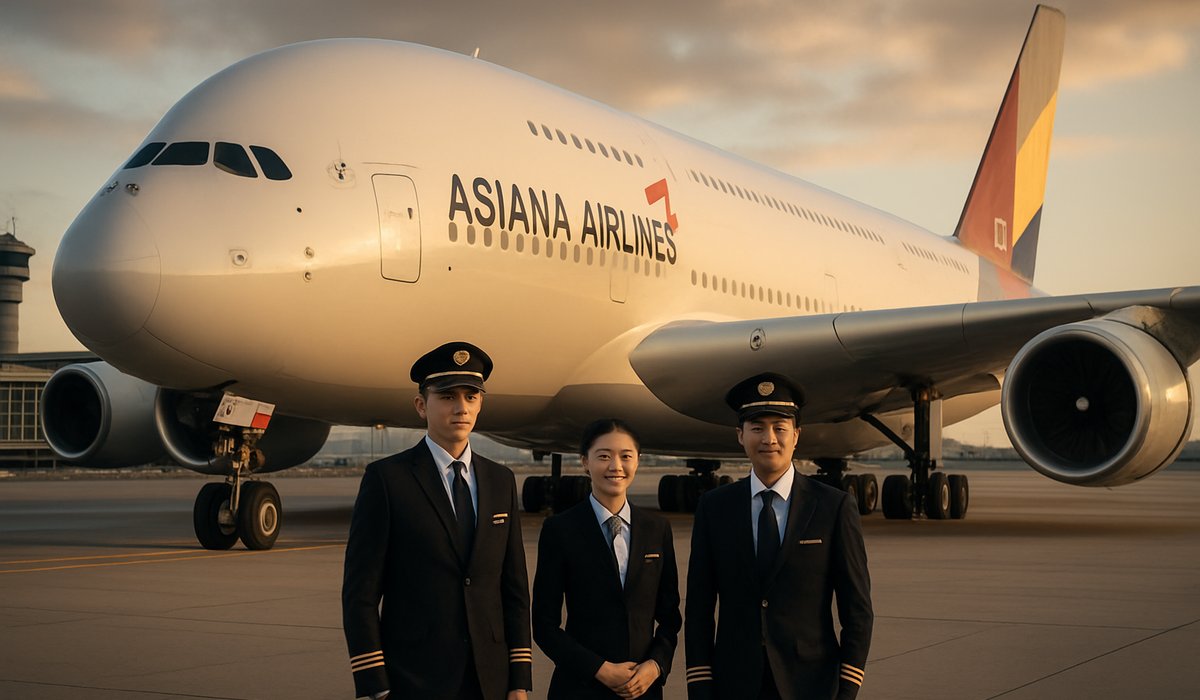
Image generated by AI
Asiana Airlines Retires Airbus A380 From Five Major Routes as Fleet Consolidation Accelerates
South Korean carrier scales back double-deck operations following Korean Air merger integration
A380 Services Come to an End on Key International Corridors
Asiana Airlines has ceased operating its fleet of Airbus A380 superjumbo jets on five international routes, marking a significant shift in the carrier's long-haul strategy. The move comes as the Seoul-based airline—now operating as a subsidiary of Korean Air following their merger—reassesses its fleet deployment priorities in an increasingly competitive aviation market.
The South Korean carrier maintains six A380 aircraft within its operating fleet, with an average age of approximately 11 years. All superjumbos currently in service were delivered between 2014 and 2016, placing them in the mid-range of their operational lifespans. Despite this, Asiana has opted to reallocate these high-capacity aircraft from five established long-haul routes, a decision that reflects broader challenges facing double-deck operators globally.
Fleet Redeployment Reflects Industry-Wide Challenges
Asiana stands among just ten airlines worldwide that maintain scheduled Airbus A380 operations, underscoring the superjumbo's increasingly niche role in modern aviation. The aircraft's massive 555-seat capacity—in a typical three-class configuration—requires consistent high-demand traffic to remain profitable, particularly given elevated operating costs for jet fuel and airport fees associated with managing such large aircraft.
The withdrawal from these five routes suggests Asiana's management believes smaller, more fuel-efficient widebody aircraft better serve current market demand. This strategic pivot aligns with industry trends, as carriers worldwide have increasingly favored twin-aisle jets like the Boeing 787 Dreamliner and Airbus A350, which offer greater operational flexibility and reduced fuel consumption per available seat kilometer.
Implications of Korean Air Integration
The consolidation coincides with Asiana's integration into Korean Air's operations following their 2020 merger approval. The parent company has faced pressures to optimize fleet utilization and reduce redundant capacity across its combined network. The removal of A380 services from five key corridors likely reflects a rationalization strategy designed to eliminate duplicate long-haul capacity between Asiana and Korean Air's existing mainline operations.
This development carries broader implications for A380 operators struggling with the aircraft's economics. With production having ceased in 2021, the superjumbo market remains dependent on secondary sales and aging aircraft, creating ongoing challenges for carriers seeking to maintain competitive cost structures on premium international routes.
FAQ: Asiana A380 Retirement and Airline Fleet Changes
1. Why are airlines removing Airbus A380 aircraft from service? The A380's enormous capacity and high operating costs—including fuel surcharges, maintenance, and airport handling fees—make it economically challenging unless routes generate consistently strong demand across premium cabin classes.
2. How many airlines still operate the Airbus A380? Approximately ten carriers maintain scheduled A380 services, including Emirates, Singapore Airlines, and British Airways, with many others phasing out their fleets.
3. What aircraft are replacing the Asiana A380 on these routes? Carriers typically transition to smaller widebody jets like the Boeing 787 and Airbus A350, which offer superior fuel efficiency and cabin flexibility.
4. Is the Airbus A380 being manufactured anymore? No, Airbus ended A380 production in 2021 due to insufficient global demand and profitability constraints.
5. How does the Korean Air merger affect Asiana's fleet strategy? The merger enables consolidated fleet planning, allowing Korean Air to eliminate redundant capacity and optimize long-haul operations across both subsidiaries.
Related Travel Guides
Flight Delay Compensation Guide 2026
Understanding Airline Route Changes
Airport Security Process Updated (2026)
External Resources
Disclaimer
This article is for informational and educational purposes only. It does not constitute legal, financial, or professional advice. While we strive to provide accurate and up-to-date information, travel policies, regulations, and conditions change rapidly. Always verify information with official sources before making travel decisions. Nomad Lawyer makes no representations about the accuracy, reliability, completeness, or suitability of the information provided. Readers should consult qualified professionals for advice specific to their circumstances. The views expressed in this article are those of the author and do not necessarily reflect the views of Nomad Lawyer.
Kunal K Choudhary
Co-Founder & Contributor
A passionate traveller and tech enthusiast. Kunal contributes to the vision and growth of Nomad Lawyer, bringing fresh perspectives and driving the community forward.
Learn more about our team →