
Asia-Pacific Airlines Cut Flights Amid Middle East Fuel Crisis: Hong Kong, Japan, South Korea, Singapore Face Major Disruptions in 2026
Cathay Pacific and HK Express reduce Asia-Pacific flights by 2-6% due to Middle East fuel crisis. Travel insurance gaps expose independent travelers to financial losses.

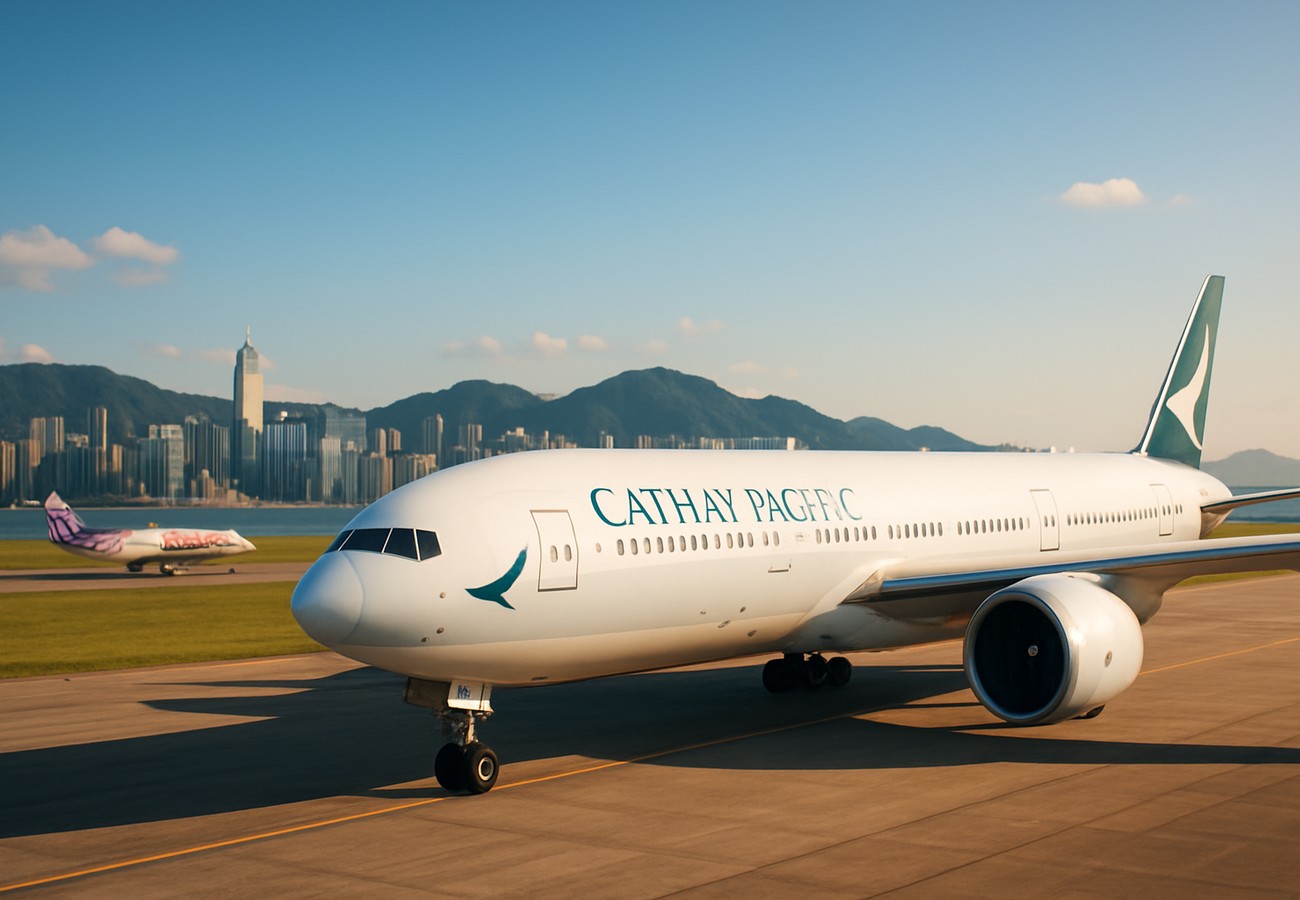
Image generated by AI
Major Airline Cutbacks Reshape Asia-Pacific Travel Landscape
A significant wave of flight schedule reductions is sweeping across Asia-Pacific, with major carriers Cathay Pacific and its low-cost subsidiary HK Express leading the charge. Between mid-May and late June 2026, these airlines are trimming services across the region, citing rising jet fuel prices driven by geopolitical tensions in the Middle East and shifting passenger demand patterns.
While the percentage reductions appear modest on the surface—approximately 2% for Cathay Pacific and 6% for HK Express—the cascading effects on travel planning are proving far more substantial than initial assessments suggest. Independent travelers face particular vulnerability, with disrupted itineraries and uncertain refund policies creating widespread uncertainty across the region's major travel corridors.
Understanding the Airline Strategy Behind Schedule Cuts
How Fuel Costs Drive Operational Decisions
Airlines across Asia are fundamentally recalibrating their operations to manage escalating costs. Jet fuel represents 20–30% of an airline's operating costs, making route optimization essential during periods of significant price volatility. The ongoing instability in the Middle East has created unprecedented pressure on aviation economics, forcing carriers to make difficult decisions about route viability.
Cathay Pacific's planned reduction primarily affects regional routes, while HK Express is implementing deeper cuts across its network. Although airlines typically attempt to minimize disruption when adjusting schedules, even modest changes create substantial challenges for travelers with complex itineraries.
The Ripple Effect on Multi-Component Travel Plans
Travelers with interconnected bookings face heightened exposure to financial losses. Consider the typical independent traveler's itinerary:
- Pre-booked hotel accommodations (often non-refundable)
- Timed-entry attraction tickets
- Regional rail passes with fixed dates
- Connecting flights across multiple carriers
- Prepaid ground transportation
In destinations like Japan and South Korea, where rail passes and timed-entry attractions are standard among international visitors, schedule disruptions can invalidate entire trip components without compensation.
The Critical Insurance Coverage Gap
Why Standard Travel Policies Fall Short
A significant blind spot has emerged in traditional travel insurance coverage. Most standard policies respond only to specific "insured events," including:
- Severe weather disruptions
- Airline strikes
- Mechanical failures
- Airspace closures
Commercial airline decisions—such as reducing flights due to cost pressures or demand fluctuations—typically fall outside these protected categories. This distinction creates a dangerous gap for travelers who assume their insurance provides comprehensive protection.
Insurance professionals across Asia emphasize that unless travelers purchase extended coverage or "cancel for any reason" (CFAR) add-ons, they remain ineligible for compensation when airlines make operational adjustments. As carriers adopt increasingly flexible, data-driven scheduling strategies, this coverage limitation becomes more consequential.
The Independent Traveler Vulnerability
Package tour operators have largely remained insulated from these disruptions. Travel agencies typically maintain flexibility to rebook groups onto alternative flights within short timeframes, minimizing passenger impact.
Independent travelers (FITs) face substantially higher financial risk due to:
- Prepaid, non-refundable hotel stays
- Attraction tickets with fixed dates
- Ancillary purchases (seat selection, baggage fees)
- Tight connection schedules across multiple carriers
- Limited rebooking options during peak seasons
According to global travel data trends, independent travel bookings now represent a significant share of outbound tourism from Asia, making this vulnerability increasingly widespread and economically significant.
What This Means for Travelers
Practical Strategies for Navigating Airline Disruptions
Industry experts recommend adopting a more flexible approach to trip planning in this volatile environment:
Booking Strategies:
- Prioritize refundable or partially refundable accommodations
- Avoid paying full costs upfront for hotels and attractions
- Select airlines offering free schedule change policies
- Build flexibility into connection times
Insurance Optimization:
- Review policies carefully, focusing on trip cancellation clauses
- Consider policies with broader coverage, including airline-initiated disruptions
- Evaluate "cancel for any reason" add-ons for high-value trips
- Document all policy limitations before booking
Destination-Specific Considerations: Travelers heading to Japan and South Korea during peak seasons should exercise particular caution. High demand can severely limit rebooking options, and popular attractions often have limited availability windows.
Regional Aviation Dynamics and Hub Competition
Hong Kong's Competitive Position Under Pressure
The ongoing schedule adjustments occur against a backdrop of intensifying competition among Asian aviation hubs. Hong Kong, historically regarded as a premier transit hub, now faces increasing competitive pressure from:
- Singapore
- Japan
- South Korea
- Greater Bay Area (China)
Flight frequency remains a critical factor in determining hub attractiveness. Reduced frequencies lead to longer layovers and prompt travelers to seek alternative transit points. While Hong Kong continues investing in infrastructure expansion and terminal development, its post-pandemic recovery trajectory has lagged behind several regional competitors.
According to the International Air Transport Association (IATA), hub connectivity directly influences passenger choice and regional competitiveness in the Asia-Pacific market.
Global Geopolitical Factors Reshaping Aviation Economics
Middle East Instability and Fuel Price Volatility
The geopolitical situation in the Middle East has created direct, measurable impacts on global aviation economics. Jet fuel prices have nearly doubled during certain periods, forcing airlines worldwide to reassess route profitability and operational viability.
This trend extends far beyond Hong Kong-based carriers. Airlines across Asia and globally are implementing similar strategies:
- Consolidating underperforming routes
- Reducing flight frequencies on regional services
- Adjusting seasonal schedules based on demand forecasts
- Optimizing aircraft deployment across networks
For travelers, this means a higher likelihood of last-minute changes, even on confirmed bookings. The structural volatility in fuel markets suggests these disruptions will persist as a recurring feature of modern air travel.
Tourism Flow Redistribution Across Asia-Pacific
How Airline Cuts May Reshape Regional Travel Patterns
These disruptions could fundamentally reshape regional tourism patterns in unexpected ways:
Hub Dynamics:
- Reduced connectivity through certain hubs may push travelers toward direct flights
- Alternative transit hubs like Singapore may experience increased passenger volumes
- Destinations with strong direct connectivity could gain competitive advantage
Long-Haul Route Impacts: Traffic redistribution on long-haul routes—such as those connecting Australia and Europe—depends on how quickly Middle Eastern hubs recover from ongoing disruptions. Airlines may permanently shift routing patterns if alternative pathways prove more economical.
Destination Competitiveness: Regions with multiple airline options and diverse routing flexibility will likely attract more travelers, while destinations dependent on single-hub connectivity face increased vulnerability.
The Evolution of Travel Insurance and Risk Management
Addressing Modern Travel Risks
The current situation highlights a critical industry shift. As airline networks become increasingly dynamic, demand is growing for innovative travel insurance products addressing contemporary travel risks.
Key areas of potential evolution include:
- Airline-Initiated Coverage: Protection specifically for schedule changes initiated by carriers
- Ancillary Protection: Coverage for seat selection, baggage fees, and other add-on purchases
- Multi-Hub Policies: Tailored coverage for complex itineraries spanning multiple carriers and hubs
- Dynamic Pricing Protection: Coverage for price fluctuations on rebooking scenarios
Insurers, brokers, and travel advisors face increasing pressure to communicate policy limitations clearly. Transparent communication about coverage gaps helps travelers make informed decisions about additional protection needs.
According to FlightAware, real-time flight tracking data shows schedule disruptions are becoming more frequent, underscoring the need for comprehensive insurance solutions.
Looking Forward: Structural Changes in Air Travel
Preparing for Persistent Disruption
As airlines continue adapting to economic and geopolitical pressures, travel disruption is transitioning from exceptional circumstance to structural feature of modern aviation. For travelers across Asia-Pacific—particularly those planning trips to high-demand destinations like Japan and South Korea—the imperative for proactive planning has never been greater.
The convergence of fuel price volatility, geopolitical instability, and competitive hub dynamics suggests that schedule adjustments will remain commonplace. Travelers who build flexibility into their itineraries, secure comprehensive insurance coverage, and maintain realistic expectations about rebooking options will navigate this environment most successfully.
The industry's response to these challenges—through both operational adaptation and product innovation—will ultimately determine how effectively Asia-Pacific aviation serves the region's growing travel demand in 2026 and beyond.
Related Travel Guides
Disclaimer
This article is for informational and educational purposes only. It does not constitute legal, financial, or professional advice. While we strive to provide accurate and up-to-date information, travel policies, regulations, and conditions change rapidly. Always verify information with official sources before making travel decisions. Nomad Lawyer makes no representations about the accuracy, reliability, completeness, or suitability of the information provided. Readers should consult qualified professionals for advice specific to their circumstances. The views expressed in this article are those of the author and do not necessarily reflect the views of Nomad Lawyer.
Kunal K Choudhary
Co-Founder & Contributor
A passionate traveller and tech enthusiast. Kunal contributes to the vision and growth of Nomad Lawyer, bringing fresh perspectives and driving the community forward.
Learn more about our team →