
Asia-Pacific Flight Cuts Hit Peak Season: Cathay Pacific, Hong Kong Express Reduce Capacity 2-6% Amid Fuel Costs and Crew Shortages
Cathay Pacific and Hong Kong Express cut flights 2-6% during May-June peak travel season. Fuel costs, crew shortages, and maintenance delays disrupt Asia-Pacific tourism recovery.

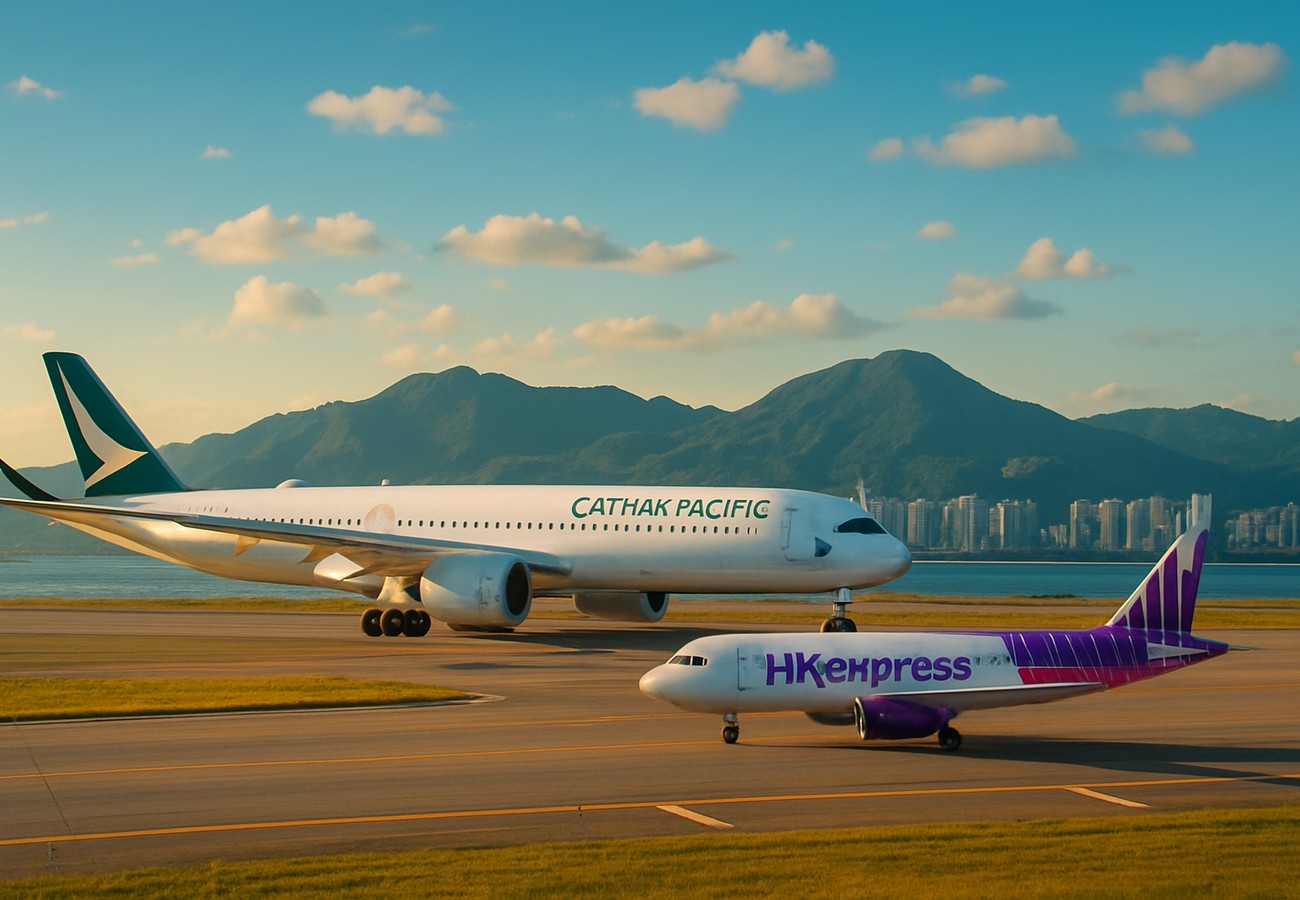
Image generated by AI
Asia-Pacific Aviation Faces Critical Capacity Constraints During Peak Travel Season
The Asia-Pacific aviation sector is entering a turbulent phase just as the region gears up for one of its busiest travel windows. Airlines based in Hong Kong, a major global transit hub connecting China, Japan, Thailand, and wider Southeast Asia, are scaling back operations during the crucial May–June holiday period. Cathay Pacific and its low-cost affiliate Hong Kong Express have announced flight reductions of approximately 2% and 6%, respectively, raising concerns across the travel trade ecosystem.
These cuts arrive at a time when international tourism demand, regional connectivity, and airline recovery trajectories were expected to strengthen. Instead, a combination of high aviation fuel prices, crew shortages, and aircraft maintenance bottlenecks is forcing airlines to recalibrate capacity. For travelers, tour operators, and investors alike, the situation signals a delicate balancing act between demand recovery and operational limitations in one of the world's fastest-growing travel markets.
Mounting Operational Strain Disrupts Peak Travel Demand
The May holiday season, often aligned with major travel spikes across Asia, typically drives significant passenger volumes. According to industry estimates, Asia-Pacific passenger traffic has been steadily recovering toward pre-pandemic levels, with load factors frequently exceeding 80% on key leisure routes.
However, even a 2–6% reduction in flight schedules during this high-demand window translates into thousands of fewer available seats. This affects not only leisure travelers but also:
- Corporate travel arrangements
- Group tours and package holidays
- MICE tourism (Meetings, Incentives, Conferences, and Exhibitions)
For destinations such as Thailand and Japan, which rely heavily on inbound tourism from Hong Kong and mainland China, these disruptions could subtly impact short-haul visitor flows and hotel occupancy rates during peak weeks.
Why Capacity Cuts Matter Beyond Airlines
Revenue Compression During High-Yield Periods
Peak seasons are when airlines typically maximize profitability through higher fares and ancillary services such as baggage, seat selection, and onboard sales. Reducing capacity during this period leads to significant financial consequences:
- Loss of ticket revenue and premium fares
- Reduced cargo and logistics income
- Underutilization of fixed assets like aircraft and airport slots
With fuel accounting for nearly 25–35% of airline operating costs, even small inefficiencies can significantly dent margins.
Investor Sentiment and Market Signals
Historically, airline stocks tend to react negatively to capacity reductions, especially when linked to structural challenges. These announcements often signal:
- Operational inefficiencies
- Potential delays in post-pandemic recovery timelines
- Increased cost pressures affecting quarterly earnings
Cathay Pacific vs. Hong Kong Express: Divergent Operational Strategies
Cathay Pacific's Controlled Adjustment
Cathay Pacific's relatively modest 2% reduction suggests a more calibrated response. The airline appears to be prioritizing network stability while managing constraints through selective route adjustments. This approach indicates stronger operational resilience and potentially better access to resources such as crew and aircraft availability.
Hong Kong Express Faces Sharper Constraints
In contrast, Hong Kong Express's 6% cut highlights deeper operational challenges. Low-cost carriers often operate with tighter margins and higher aircraft utilization rates, making them more vulnerable to disruptions.
Factors likely contributing to the sharper reduction include:
- Limited crew availability
- Delays in aircraft maintenance cycles
- Exposure to cost-sensitive pricing models
For budget travelers, this could result in fewer promotional fares and reduced flexibility in travel dates.
Systemic Challenges Reshaping Asia-Pacific Aviation
Fuel Price Volatility Reshaping Airline Economics
Global oil price fluctuations continue to pressure airline balance sheets. Jet fuel costs have remained elevated, forcing airlines to rethink pricing strategies and capacity deployment. While some carriers pass costs onto passengers, intense competition in Asia often limits fare increases.
According to the International Air Transport Association (IATA), fuel remains one of the most volatile cost factors affecting airline profitability across the region.
Workforce Gaps and Training Delays
The aviation workforce has not fully rebounded since the pandemic. Airlines across Asia-Pacific are still rebuilding their talent pipelines, particularly for:
- Pilots and cabin crew
- Aircraft maintenance engineers
- Ground handling staff
Training and certification processes can take months, delaying full operational recovery.
Aircraft Supply Chain Bottlenecks
Aircraft manufacturers and maintenance providers are facing ongoing supply chain issues. Delays in spare parts and servicing schedules are contributing to reduced fleet availability, forcing airlines to temporarily ground aircraft. This cascading effect amplifies capacity constraints during peak demand periods.
What This Means for Travelers
Navigating the current disruptions requires strategic planning and flexibility. Passengers should adopt proactive measures to minimize travel complications.
Book Early and Monitor Schedules
With fewer flights available, early bookings can secure better fares and preferred timings. Travelers are advised to:
- Regularly check airline notifications for schedule changes
- Opt for flexible tickets where possible to accommodate disruptions
- Consider alternate routes or nearby airports as backup options
Leverage Secondary Hubs
Airports in Singapore, Bangkok, and Kuala Lumpur may offer alternative connections if direct routes from Hong Kong are affected. This strategy can help minimize disruptions and provide backup routing options.
Travel Insurance as a Safety Net
Given the volatility, comprehensive travel insurance covering cancellations and delays is increasingly important, especially for international itineraries. According to FlightAware, real-time flight tracking can also help passengers stay informed about potential disruptions.
Tourism Ripple Effects Across Key Destinations
The impact of these flight reductions extends beyond airlines into the broader tourism ecosystem:
- Hotels and resorts in Southeast Asia may experience slight fluctuations in bookings
- Tour operators could face last-minute itinerary changes
- Airports and duty-free retailers may see reduced passenger throughput
However, strong pent-up demand and regional travel enthusiasm are expected to cushion the long-term impact. The United Nations World Tourism Organization (UNWTO) continues to track Asia-Pacific recovery metrics, indicating resilient underlying demand despite near-term capacity constraints.
Recovery Signals: Temporary Turbulence or Long-Term Shift?
Both Cathay Pacific and Hong Kong Express have indicated plans to restore full operations after June, suggesting that current disruptions may be temporary.
Yet, industry analysts caution that underlying challenges—particularly fuel costs and workforce shortages—could persist into late 2026. The pace of recovery will depend on:
- Stabilization of global energy markets
- Faster recruitment and training cycles for aviation personnel
- Improved aircraft maintenance turnaround times
The Road Ahead for Asia-Pacific Travel
The current wave of flight adjustments underscores a critical reality: the Asia-Pacific aviation recovery is uneven and still evolving. While demand remains robust, operational constraints are reshaping how airlines deploy capacity and manage profitability.
For the travel industry, this phase presents both challenges and opportunities. Airlines that can efficiently balance cost control, customer experience, and network optimization will emerge stronger from this period of adjustment. Travelers who plan strategically and remain flexible will navigate these disruptions with minimal impact to their journeys.
Related Travel Guides
Disclaimer
This article is for informational and educational purposes only. It does not constitute legal, financial, or professional advice. While we strive to provide accurate and up-to-date information, travel policies, regulations, and conditions change rapidly. Always verify information with official sources before making travel decisions. Nomad Lawyer makes no representations about the accuracy, reliability, completeness, or suitability of the information provided. Readers should consult qualified professionals for advice specific to their circumstances. The views expressed in this article are those of the author and do not necessarily reflect the views of Nomad Lawyer.
Kunal K Choudhary
Co-Founder & Contributor
A passionate traveller and tech enthusiast. Kunal contributes to the vision and growth of Nomad Lawyer, bringing fresh perspectives and driving the community forward.
Learn more about our team →