
Argentina Spring Road Trip Guide 2026: Best Routes for Whale Watching, Salt Flats, and Vineyards
Explore Argentina's diverse landscapes in September 2026, from the Southern Right Whale migrations in Puerto Madryn to the high-altitude salt flats of Jujuy and the Malbec vineyards of Mendoza.
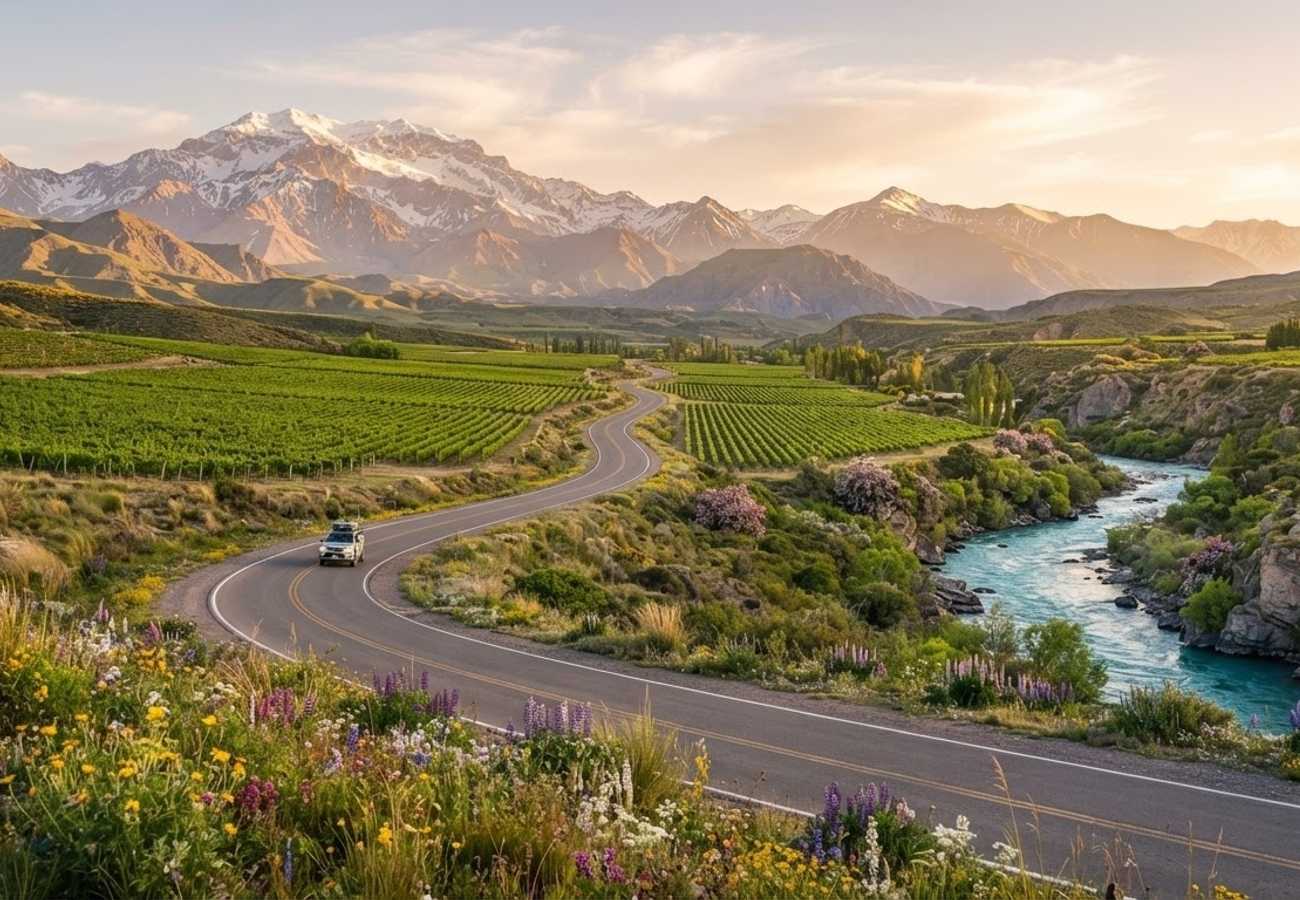
Image generated by AI
September marks the optimal window for traversing Argentina, offering a strategic balance of mild temperatures and peak wildlife activity before the summer crowds arrive.
Argentina’s geography allows for extreme diversity within a single itinerary. In September, the transition to spring triggers critical biological and climatic shifts, making it the premier month for road-based exploration. From the Atlantic coast of Chubut to the tropical borders of Misiones, the current transit conditions favor long-distance self-drive journeys.
Regional Route Specifications
For travelers planning their September 2026 itinerary, the following table outlines the primary transit hubs and their specific seasonal draws.
| Region | Primary Hub | Key Route/Access | Primary September Attraction | Transit Note |
|---|---|---|---|---|
| Patagonia | Puerto Madryn | Península Valdés / Puerto Pirámides | Southern Right Whale Breeding | High winds; windproof gear required |
| Northwest | Salta / Jujuy | Routes 40 & 9 | Salinas Grandes & Hill of Seven Colours | High altitude; hydration critical |
| Cuyo | Mendoza | Luján de Cuyo / Uco Valley | Malbec Vineyards & Aconcagua | Zonda wind alerts in effect |
| Tucumán | Tafí del Valle | Provincial Route 307 | Los Sosa Nature Reserve | Sharp curves; daylight driving only |
| Entre Ríos | Colón | National Route 14 | El Palmar National Park | Short-haul from Buenos Aires |
| Northeast | Misiones | Iguazú National Park | Iguazú Falls & Jesuit Ruins | Tropical humidity; high water flow |
Strategic Transit Hubs and Route Analysis
Marine Logistics: Puerto Madryn and Península Valdés
The coastal corridor of Chubut is currently the priority for wildlife transit. September is the peak of the Southern Right Whale season. The transit loop from Puerto Madryn to Puerto Pirámides provides the most reliable access to whale-watching vessels. Further extensions toward Punta Norte and Caleta Valdés offer sightings of elephant seals and sea lions. El Doradillo Beach remains a critical stop for shore-based sightings.
High-Altitude Transit: Salta and Jujuy
The Northwest circuit relies on Routes 40 and 9. This region is characterized by dramatic elevation changes. The route from Salta to Cafayate passes through the Quebrada de las Conchas, featuring the Amphitheatre and Devil’s Throat. Further north, the transit into Jujuy leads to Purmamarca (Hill of Seven Colours) and the vast white expanse of Salinas Grandes.
Viticulture Corridors: Mendoza
The Cuyo region is best navigated using Mendoza City as a central logistics hub. Primary drives extend into Luján de Cuyo, Maipú, and the Uco Valley. For those extending their trip toward the Andes, the route includes the Puente del Inca and Aconcagua Provincial Park. In the south, San Rafael provides access to the Atuel Canyon for rafting and kayaking.
Tropical and Lowland Routes: Misiones and Entre Ríos
In the northeast, Misiones focuses on the Iguazú National Park and the Jesuit ruins at San Ignacio. This is a high-humidity environment with dense jungle roads. Conversely, the Entre Ríos route offers a lower-intensity drive from Buenos Aires to Colón (approximately 300 kilometers), leading to the yatay palm forests of El Palmar National Park via National Route 14.
Traveler Logistics Guide: Ground-Level Navigation
From a ground-level perspective, navigating Argentina in September requires specific tactical preparations to avoid common transit pitfalls.
1. Vehicle Selection and Road Safety For the Northwest (Salta/Jujuy) and the Andes (Mendoza), a 4x4 or a high-clearance vehicle is strongly recommended. Many secondary roads in the Quebrada de los Sosa (Tucumán) feature sharp curves and steep gradients; these should be traversed exclusively during daylight hours.
2. Altitude and Climate Management Travelers moving through the North should implement a gradual ascent to avoid altitude sickness. Drink significant amounts of water and maintain a slower pace of travel. In Patagonia and the Andes, the weather is volatile. The "Zonda" wind in Mendoza and the Atlantic gusts in Chubut can impact vehicle stability and personal comfort; windproof layers and thermal clothing are non-negotiable.
3. Digital and Customs Policies Ensure all vehicle rental agreements include comprehensive insurance that covers "off-pavement" transit if venturing into National Parks. When crossing from Argentina into Brazil via Iguazú, carry physical copies of your passport and vehicle permits, as digital versions can be unreliable at remote border checkpoints.
4. Connection Timing To maximize efficiency, schedule your flights into Buenos Aires and rent a vehicle for the Entre Ríos leg, or fly directly into regional hubs like Salta or Mendoza to avoid the exhaustive 1,000+ km drives between the far north and south.
Infrastructure Impact Assessment
The focus on September road tourism strengthens regional connectivity, particularly in the Northwest and Patagonia. By distributing tourist traffic into the spring shoulder season, Argentina reduces the infrastructure strain on National Parks like Iguazú and Península Valdés, which typically peak in December and January. The reliance on Routes 40 and 9 highlights the critical importance of these arteries for the economic viability of rural craft markets and vineyard estates in the interior.
Argentina's spring transition transforms the country into a high-contrast transit corridor, where the only constant is the diversity of the terrain.
Related Travel Guides
Disclaimer
This article is for informational and educational purposes only. It does not constitute legal, financial, or professional advice. While we strive to provide accurate and up-to-date information, travel policies, regulations, and conditions change rapidly. Always verify information with official sources before making travel decisions. Nomad Lawyer makes no representations about the accuracy, reliability, completeness, or suitability of the information provided. Readers should consult qualified professionals for advice specific to their circumstances. The views expressed in this article are those of the author and do not necessarily reflect the views of Nomad Lawyer.