
Asia-Pacific Luxury Travel Slows Due to Flight Cuts and Labor Gaps
A flight capacity squeeze, rising airfares, and hospitality staffing shortages challenge the recovery of Asia-Pacific luxury tourism hubs.
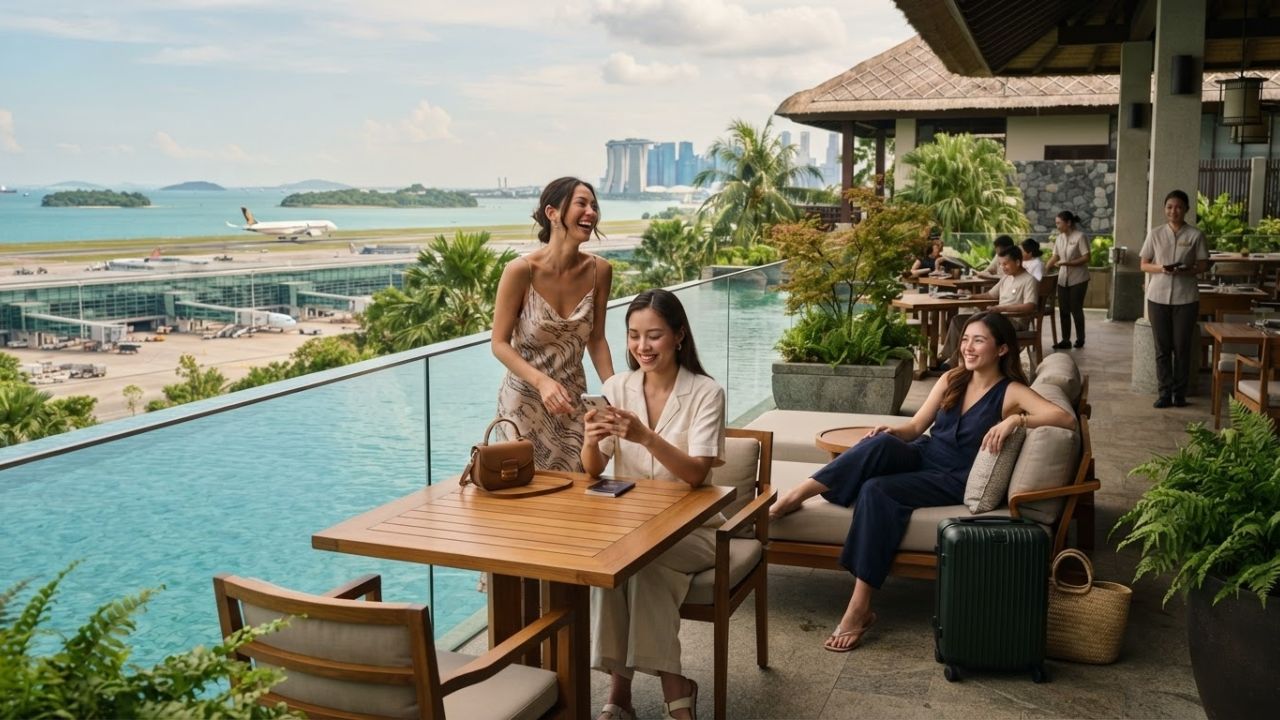
Image generated by AI
The luxury travel sector across the Asia-Pacific region is managing an adjustment period in 2026 due to reduced flight capacity, rising airfares, and hospitality workforce shortages. While premium travelers maintain high spending power, connectivity challenges at key gateways are forcing a shift toward regional escapes and wellness-focused itineraries.
The Strategic Shift: Navigating Aviation and Labor Headwinds
The international tourism market is experiencing a transition as premium travel destinations adapt to changing operational realities. Across the Asia-Pacific region, luxury travel is facing headwind factors that are reshaping guest expectations and resort operations. Reduced international flight capacity, increased fuel expenses, and staffing gaps in hospitality are prompting travelers to adjust their holiday planning.
By establishing these seasonal travel corridors, the airline's management aims to support both business and leisure travel flows. Canadian corporate travelers and travel agencies, which maintain strong relationships with European and Asian destination management organizations, would benefit from direct seat capacity. This economic integration supports the travel sector, providing service providers with a reliable channel for high-value bookings.
This transition is particularly evident at major aviation gateways—including Singapore, Dubai, Doha, Hong Kong, and Bangkok—which connect international long-haul markets with Southeast Asian destinations. Any schedule adjustment or capacity reduction at these transit hubs quickly impacts tourist arrivals. Rather than cancelling trips, affluent travelers are adapting by choosing destinations with direct routes, booking longer stays, and prioritizing private, personalized experiences over multi-stop itineraries.
For regional hospitality businesses, this cautious recovery period requires a shift in marketing strategies. Instead of relying solely on traditional long-haul peaks from Europe and North America, tourism operators are focusing on high-value domestic markets and regional travelers who are less affected by international aviation disruptions.
The Impact of Airline Capacity Cuts and Rising Airfares
Reduced airline capacity is currently a primary concern for destination marketing boards and regional operators. Airlines have adjusted schedules to manage operational costs, leading to fewer direct flights and higher airfares.
This geographical shift also offers a unique opportunity for cultural exchange and community tourism. Local restaurants and small scale tour operators, which often experience severe bottlenecks during the peak summer weeks, can offer more personalized experiences for guests during the calmer autumn weeks. This slower pace allows travelers to engage more deeply with local traditions and community members.
For tourism-dependent economies like Thailand, Indonesia, and Vietnam, reliable air access is vital. Long-haul premium travelers from Europe and North America rely on convenient connections to reach beach resorts and cultural heritage centers. When direct routes become limited or fares rise, travelers are more likely to compare destinations, choosing locations that offer the most direct travel experience.
This airfare inflation has made the luxury market highly competitive. High-spending visitors are scrutinizing value, seeking out airlines that offer premium services like lie-flat seats and private lounge access to justify the increased cost of international travel.
Hospitality Staffing Shortages Challenge Service Delivery
Workforce shortages represent another operational hurdle for luxury hotels and resorts. The defining feature of premium travel is personalized service, which requires experienced hospitality professionals to deliver.
This environmental focus is supported by regional climatologists and conservationists who monitor ecosystem health. By tracking tourist footprint signals, managers can ensure that natural areas remain protected. The integration of carrying-capacity policies with wilderness trails demonstrates how tourism planning can protect biodiversity while offering high-quality educational hikes.
Luxury properties require skilled staff across multiple operational areas:
- Guest services: Guest relations managers and concierges who coordinate private excursions and local dining reservations.
- Culinary operations: Experienced chefs who design seasonal menus and manage hygiene standards in fine-dining restaurants.
- Wellness facilities: Trained therapists who provide spa treatments and traditional wellness programs.
- Specialized tourism: Experienced guides who lead eco-tours and cultural heritage walks.
The difficulty in recruiting and retaining skilled staff has led some resorts to reduce capacity or adjust service hours to maintain standards. For premium travelers, service quality is a primary factor in overall vacation satisfaction, making workforce development a priority for the regional hospitality sector.
How Regional Destinations Are Adapting: Thailand and Vietnam
Southeast Asian markets are utilizing regional travel growth and niche tourism categories to manage changing conditions.
This localized disruption also offers a unique opportunity for duty-free retailers and terminal operators to design services suited for stranded passengers. By monitoring passenger comfort levels during long delays, airport customer teams can provide complimentary amenities to ensure guest satisfaction. This proactive approach helps build traveler confidence, ensuring that regional transit routes remain competitive with global hub standards.
Thailand is focusing on its wellness retreats, beach resorts, and culinary experiences. By targeting regional travelers from nearby markets—such as China, India, Japan, South Korea, and Singapore—the country is building a stable visitor base. These short-haul travelers are less affected by long-haul flight cuts and can access popular resorts in Phuket or Koh Samui via regional carriers.
Vietnam has strengthened its appeal through coastal resorts and nature-based tourism. Luxury properties along the central coast are obtaining sustainable certifications, such as the national Green Lotus Label or international Green Globe standards, to appeal to climate-conscious premium travelers. This eco-luxury focus is supported by local Environmental Impact Assessments (EIA), ensuring that resort developments protect the local environment and support surrounding communities.
By integrating sustainable practices with high-quality service, both destinations aim to remain competitive in the global luxury market.
Visitor Guide: Kyoto Ryokans, Singapore Suites, and Travel Insurance
A comfortable vacation in the Asia-Pacific involves planning for seasonal weather, coordinating transit logistics, and booking wellness experiences in advance. By preparing ahead, travelers can ensure a seamless trip.
Sample traditional culinary specialties during your stay. In Kyoto, book a traditional ryokan stay to experience Kaiseki dining, a choreographed multi-course meal featuring seasonal ingredients. The dinner follows a specific structure, starting with Sakizuke (a light appetizer) and Wanmono (a clear soup), followed by Otsukuri (raw fish), before closing with rice, pickles, and dessert. Inform your host of any dietary requirements at least one week in advance. In Singapore, sample local chili crab, and in Thailand, request herbal tea blends made from lemongrass and ginger.
Utilize airport transit facilities during layovers. If connecting through Singapore Changi Airport, pay-per-use facilities like the Ambassador Transit Lounge in Terminals 2 and 3 offer showers, gyms, and quiet workstations. If you need a quick rest, look for the free snooze lounges located in quiet zones throughout the terminals.
Coordinate your hotel bookings with staff availability. Reach out to your resort concierge at least two weeks before arrival to confirm spa availability and restaurant opening hours, as staffing gaps may require advance booking for wellness treatments and dinner reservations.
Confirm your travel insurance terms before departure. Ensure your policy covers flight delays and cancellations, especially when booking multi-segment flights through different transit hubs, and retain all receipts to support post-travel claims.
Future Outlook: Rebuilding Resilient APAC Tourism Corridors
The long-term development of luxury tourism in the Asia-Pacific depends on coordinating airport expansion projects with sustainable resort management. Regional tourism ministries are cooperating to improve connectivity.
Sustainable initiatives include building low-carbon transport corridors to connect airports with resort areas, investing in local hospitality training academies to address staffing gaps, and implementing water conservation systems at large properties. By combining infrastructure modernization with eco-friendly hospitality practices, the region aims to protect its natural resources, securing a resilient and sustainable future for international travelers.
Related Travel Guides
Disclaimer
This article is for informational and educational purposes only. It does not constitute legal, financial, or professional advice. While we strive to provide accurate and up-to-date information, travel policies, regulations, and conditions change rapidly. Always verify information with official sources before making travel decisions. Nomad Lawyer makes no representations about the accuracy, reliability, completeness, or suitability of the information provided. Readers should consult qualified professionals for advice specific to their circumstances. The views expressed in this article are those of the author and do not necessarily reflect the views of Nomad Lawyer.